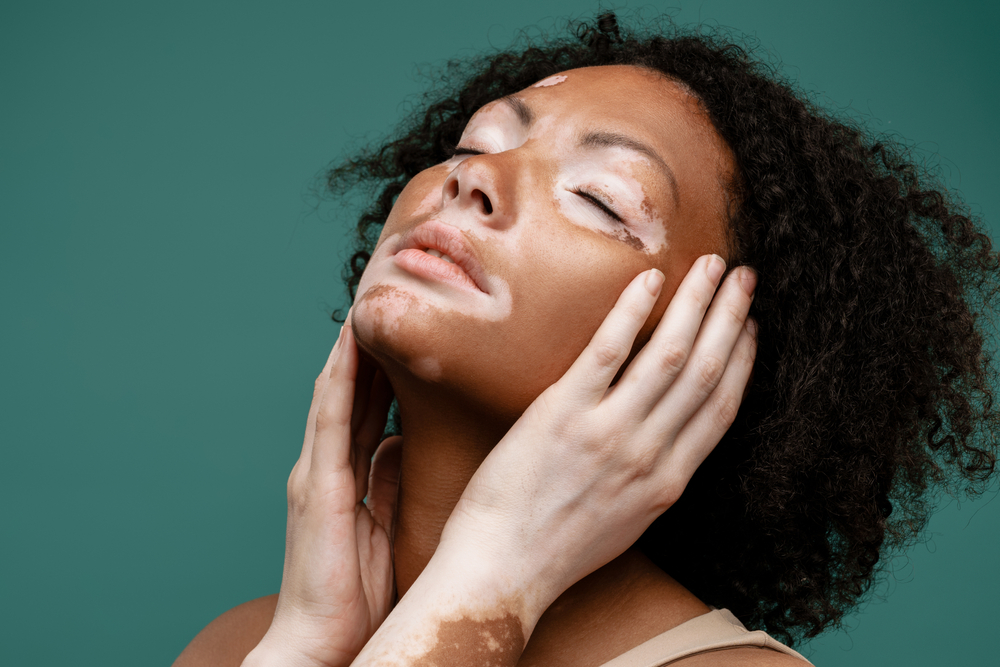
Novomed offers vitiligo treatment in Abu Dhabi, providing personalized dermatological care to help manage skin pigmentation changes. Treatment options are recommended following a medical assessment, based on the type, extent, and progression of vitiligo.
What Is Vitiligo?
Vitiligo is a skin condition in which the immune system affects melanocytes, the cells responsible for producing skin pigment (melanin). This causes white or lighter patches to develop on the skin, which may appear on the face, hands, body, or other areas. Vitiligo is not contagious, and treatment aims to manage pigmentation changes and support skin health.
What Causes Vitiligo?
Vitiligo occurs when the immune system mistakenly attacks melanocytes, the cells responsible for producing melanin (skin pigment). This leads to the development of white or lighter patches on the skin.
The exact cause is not fully understood, but several factors may contribute:
- Autoimmune response: The immune system attacks pigment-producing cells.
- Genetic factors: A family history of vitiligo or other autoimmune conditions may increase susceptibility.
- Environmental triggers: Skin injuries, severe sunburn, or certain chemical exposures may trigger or worsen vitiligo in susceptible individuals.
- Oxidative stress: Cellular stress may contribute to melanocyte damage.
- Associated autoimmune conditions: Vitiligo may occur alongside conditions such as autoimmune thyroid disease.
Vitiligo is not caused by an infection, poor hygiene, or physical contact with an affected person.
Vitiligo Treatment Options
Vitiligo treatment aims to restore skin pigmentation where possible, stabilize the condition, and help manage the appearance of white patches. Treatment is selected based on the affected areas, extent of pigmentation loss, and disease progression.
| Treatment | Description |
|---|---|
| Topical corticosteroids | Medicated creams that may help reduce immune activity and support repigmentation in affected areas. |
| Topical calcineurin inhibitors | Prescription creams, such as tacrolimus, that may help restore pigmentation, particularly on the face and sensitive areas. |
| Narrowband UVB phototherapy | A specialized light treatment used to stimulate pigment-producing cells and encourage repigmentation. |
| Excimer laser | Targeted UVB light therapy that may be used for localized vitiligo patches. |
| Oral medications | Certain medications may be prescribed by a dermatologist to help control rapidly progressing vitiligo. |
| Surgical treatments | Procedures such as skin grafting or melanocyte transplantation may be considered for selected patients with stable vitiligo. |
| Camouflage and medical cosmetics | Skin camouflage products can help reduce the visible contrast between affected and unaffected skin. |
Important: Vitiligo treatment results vary between individuals. A dermatologist can recommend an appropriate treatment plan following an assessment of the condition and skin type.
Vitiligo Treatment Procedure: Step-by-Step
Vitiligo treatment at Novomed in Abu Dhabi begins with a dermatological assessment to determine the type, extent, and progression of pigmentation loss. The treatment plan is personalized according to the patient’s skin condition and medical history.
| Step | Procedure |
|---|---|
| 1. Dermatological Consultation | The dermatologist examines the affected skin, reviews medical history, and assesses the pattern and progression of vitiligo. |
| 2. Diagnosis and Assessment | A Wood’s lamp examination or other diagnostic tests may be used to evaluate depigmented areas and confirm the diagnosis. |
| 3. Personalized Treatment Plan | The dermatologist recommends suitable options, such as topical medications, phototherapy, or targeted laser treatment, depending on the condition. |
| 4. Treatment Sessions | The selected treatment is performed or prescribed. Phototherapy and excimer laser treatments may require multiple sessions over several weeks or months. |
| 5. Progress Monitoring | Skin response and pigmentation changes are reviewed during follow-up appointments, and treatment may be adjusted as needed. |
| 6. Ongoing Skin Care | Patients receive guidance on sun protection, skin care, and maintaining treatment results. |
Treatment duration: The duration varies depending on the extent of vitiligo, the treatment selected, and the individual’s response. Repigmentation may take several months, and ongoing maintenance may be recommended.
Expected Results of Vitiligo Treatment
Vitiligo treatment aims to encourage repigmentation, manage the spread of depigmented patches, and improve skin appearance. Results vary depending on the type of vitiligo, affected areas, treatment approach, and individual response.
- Repigmentation: Some white patches may gradually regain color, often beginning around hair follicles or patch edges.
- Improved skin tone: Treated areas may develop more pigmentation, helping reduce the contrast between affected and surrounding skin.
- Stabilization: Treatment may help control the development of new patches or the spread of existing ones.
- Gradual improvement: Visible changes may take several months of consistent treatment.
- Maintenance: Continued treatment or follow-up may be needed to help maintain results, as vitiligo can recur.
Important: Complete repigmentation cannot be guaranteed. Areas such as the hands, feet, and lips may respond less effectively than the face and trunk. A dermatologist can assess expected outcomes based on each patient’s condition.
Side Effects of Vitiligo Treatment
Vitiligo treatment may cause temporary side effects, including skin redness, irritation, itching, dryness, or changes in pigmentation. Topical corticosteroids may cause skin thinning with prolonged use, while phototherapy and laser treatments may cause sunburn-like reactions. Side effects vary depending on the treatment and individual skin sensitivity. A dermatologist will assess potential risks and monitor the response to treatment.
Cost of Vitiligo Treatment in Abu Dhabi
The cost of vitiligo treatment in Abu Dhabi varies depending on the extent of skin depigmentation, the treatment method, and the number of sessions required. Treatment may include topical medications, phototherapy, or targeted laser procedures.
| Treatment | Estimated Cost (AED) |
|---|---|
| Dermatology consultation | 300–800 |
| Narrowband UVB phototherapy | 300–1,000 per session |
| Excimer laser treatment | 500–2,500 per session |
| Topical medications | 50–300, depending on prescription |
| Micropigmentation | 750–5,500, depending on area and sessions |
Why Choose Novomed for Vitiligo Treatment?
- Personalized Treatment Plans: Treatment recommendations are tailored to the type, extent, and progression of vitiligo.
- Specialist Dermatological Care: Medical assessment helps distinguish vitiligo from other skin conditions and identify appropriate management options.
- Comprehensive Treatment Options: Patients can discuss available approaches, including topical medications, phototherapy, and other suitable treatments.
- Ongoing Monitoring: Follow-up consultations help assess skin response and adjust treatment when needed.
- Multiple Abu Dhabi Locations: Access dermatology services at Novomed MBZ City, Al Bateen, and Al Ain, subject to specialist availability.
Book Appointment at Novomed Abu Dhabi
Book a dermatology consultation at Novomed clinics in Abu Dhabi to discuss your vitiligo concerns and receive a personalized treatment plan based on your skin condition. Call us here: 800 6686
| Novomed Location | Address |
|---|---|
| MBZ City | 637 Al Anwar Street, Mohammed Bin Zayed City, Zone 19, Abu Dhabi, UAE |
| Al Bateen | 312 King Abdullah Bin Abdulaziz Al Saud Street, Al Bateen, Abu Dhabi, UAE |
| Al Ain | Building 47, Towayya Al Ragayeb, Mohammed Ibn Zayed Al Awwal Street, Al Ain, UAE |