
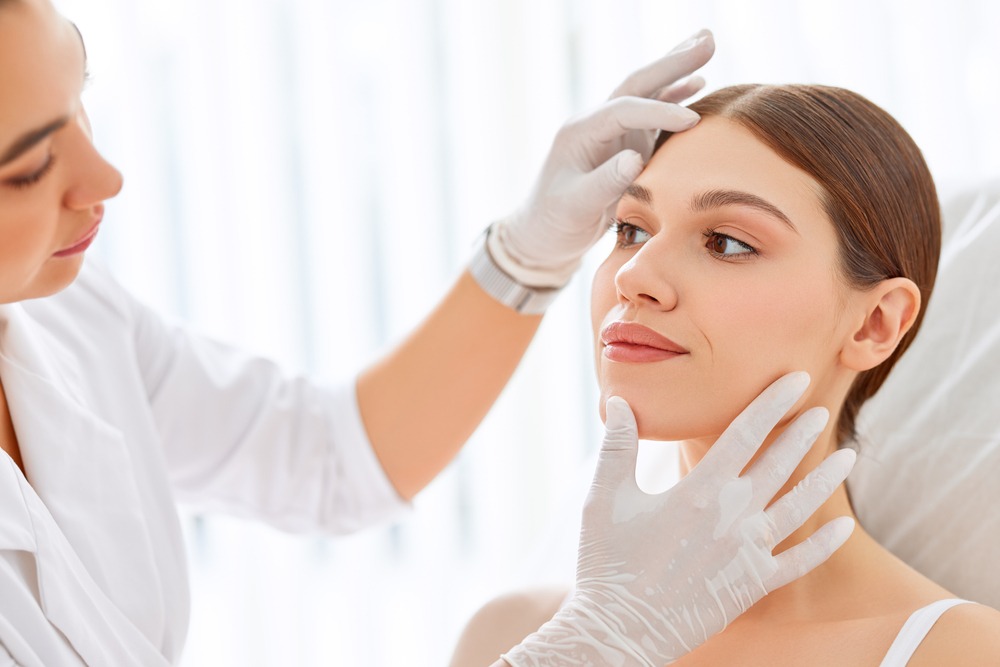
Finding the right dermatologist in the UAE means matching your skin concern, budget, and preferred clinic setting to a specialist whose experience and communication style fit your needs. Whether you’re dealing with persistent acne, eczema, pigmentation changes, or aging skin, the choice of dermatologist shapes your entire treatment experience.
When Should You See a Dermatologist?
Not every skin concern requires a specialist visit. A general practitioner can often manage minor rashes, basic fungal infections, or seasonal irritation. However, certain situations warrant a Dermatology appointment.
You should see a dermatologist if your skin concern has persisted for more than 4–6 weeks despite home care, if it’s affecting your quality of life, if you’re unsure of the cause, if you’re considering cosmetic treatments, or if you have darker skin and are concerned about pigmentation or laser safety.
See a dermatologist if:
- Your skin concern has persisted for more than 4–6 weeks despite home care or over-the-counter treatments
- You have a condition affecting your quality of life (severe acne, hair loss, or widespread eczema)
- You’re unsure what’s causing your symptoms and need a diagnosis
- You’re considering cosmetic treatments (fillers, laser resurfacing, or chemical peels)
- You have darker skin and are concerned about pigmentation, keloids, or laser safety
You typically do not need a GP referral to see a private dermatologist in the UAE, though your insurance plan may require one. Government facilities sometimes require referrals; check with your provider and insurance in advance.
The UAE’s intense heat and humidity from May through September can worsen acne, fungal infections, and conditions like melasma. If your skin typically worsens in the summer, planning a dermatology consultation during cooler months (October–April) can help you develop preventive strategies. However, persistent or worsening conditions should not be delayed based on season.
Key Questions to Ask Before Booking a Consultation

Before you commit to an appointment, gather basic information:
- Is the dermatologist board-certified or recognized-trained in dermatology and currently licensed by the Dubai Health Authority (DHA) or equivalent emirate authority? Ask if they hold additional certifications from recognized bodies such as the American Academy of Dermatology (AAD) or Royal College of Physicians (UK).
- What’s their experience with your specific concern? A dermatologist experienced with acne may not be your best choice for hair loss or cosmetic aging treatments. Ask directly about their case volume and approach.
- What’s the consultation fee, and what does it include? Expect AED 500–1,500+ depending on clinic tier and specialist experience. Clarify whether this includes a skin examination, follow-up communication, or treatment planning.
- Can they offer the treatments you’re interested in? Some clinics handle laser therapy, chemical peels, and biopsies in-house; others refer out. Ask upfront about available tools and procedures.
- How is follow-up care managed? Do they coordinate with your GP or insurance provider? Is there a continuity plan if you need ongoing treatment?
- What languages do they speak? This matters if you’re more comfortable communicating in Arabic, Hindi, Urdu, or another language.
What to Expect in Your First Dermatology Appointment
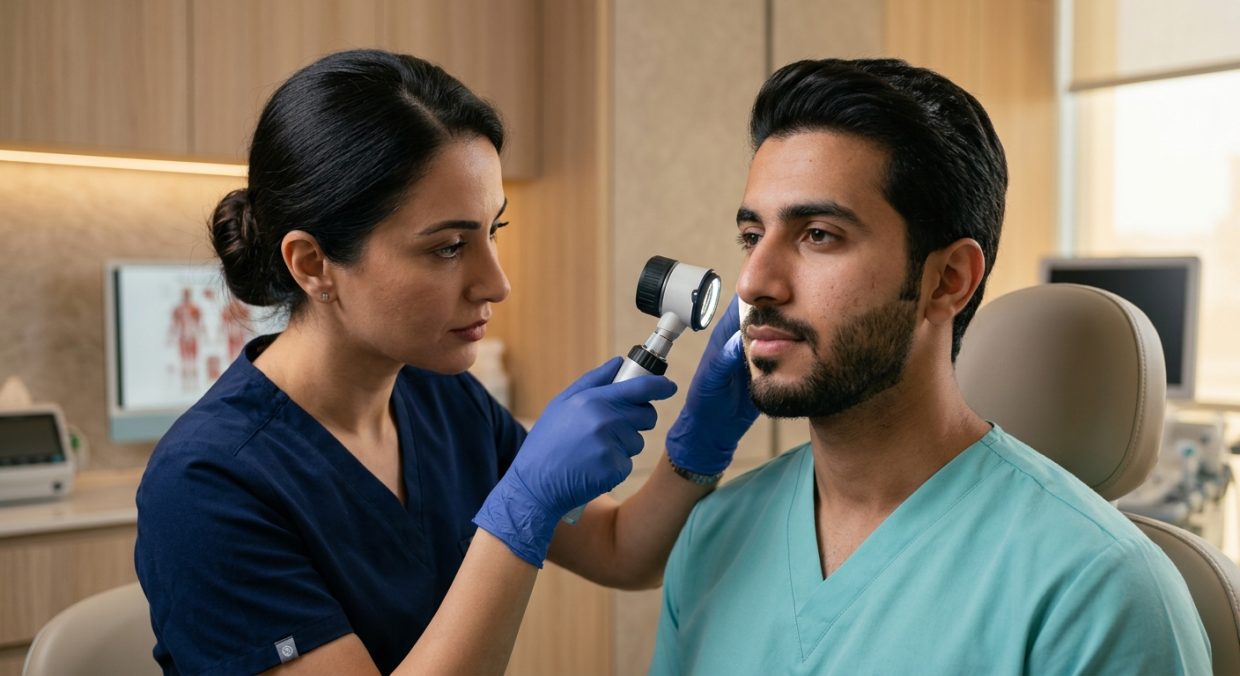
A good first consultation is thorough but not rushed. You should expect a detailed symptom and medical history review, a close skin examination often under magnification or specialized lighting, and potentially diagnostic tests like patch testing, bacterial cultures, or skin scrapings.
Your dermatologist will ask about your symptom history, family history of skin conditions, past treatments, medications, and lifestyle factors. Expect a close skin examination, often under magnification or specialized lighting. For certain concerns, they might perform a patch test, bacterial culture, or skin scraping to aid diagnosis.
A quality specialist will:
- Explain findings in plain language
- Present multiple treatment options, not just prescribe immediately
- Discuss realistic outcomes and potential side effects
- Explain the rationale behind their recommendations
If you feel pressured or confused, that’s a red flag. Ask for a summary of the consultation and any recommendations in writing, and clarify when and how you’ll follow up.
Understanding Dermatology Consultation Fees and Treatment Costs in the UAE
Dermatology consultation fees in the UAE typically range from AED 500 to AED 1,500 or higher, depending on clinic tier, specialist experience, and facility type. Treatment costs vary significantly—prescription acne medications cost AED 50–200, while a full course of laser pigmentation treatment (usually 4–8 sessions) may range from AED 3,000–8,000+.
Consultation fees in the UAE typically start from AED 500, with variation based on:
- Clinic tier: Government hospitals are subsidized; private independent clinics are moderate; premium hospital-based specialists or well-known practitioners charge more.
- Specialist experience: A dermatologist published in peer-reviewed journals or with 15+ years of experience may charge AED 1,000–1,500+ for a consultation.
- Facility type: Laser and procedural equipment adds cost; clinics with in-house surgical capability charge more than those providing consultation only.
Treatment costs vary dramatically. Prescription medications for acne typically cost AED 50–200, while a complete course of laser treatments for pigmentation (usually 4–8 sessions) may range from AED 3,000–8,000+ depending on clinic tier, equipment, and condition severity. Always request an itemized treatment plan and cost breakdown before proceeding, and verify coverage with your insurance provider, as cosmetic procedures are typically not covered.
Specialist Credentials and Experience: What Actually Matters

Credentials matter, but they’re not the whole story. A qualified dermatologist should hold a medical degree from an accredited institution, completed formal dermatology training (typically 3–5 years post-medical school), and possess board certification or recognized specialist qualification along with a valid UAE medical license from the DHA or equivalent emirate authority.
Essential qualifications:
- Medical degree from an accredited institution
- Formal dermatology training (typically 3–5 years post-medical school)
- Board certification or recognized specialist qualification (AAD, RCGP, or equivalent)
- Valid UAE medical license issued by the Dubai Health Authority (DHA) or equivalent emirate authority
Experience indicators:
- Published research or case reports in peer-reviewed dermatology journals
- Sub-specialty training (medical dermatology, cosmetic dermatology, pediatric dermatology, laser therapy, hair trichology)
- Membership in professional dermatology societies
Patient reviews can provide insight into communication style and bedside manner, but should never be treated as the primary verification method—always prioritize DHA licensure and formal qualifications.
The UAE maintains rigorous DHA standards for all licensed dermatology practitioners and facilities, ensuring consistent baseline quality. However, depth of experience, sub-specialty expertise, and individual patient outcomes vary significantly.
In-Clinic Experience vs. Treatment Scope: Finding Your Match
Consider what matters most to you:
If you prefer a one-stop experience, choose a clinic with diagnostic capability (biopsies, cultures, scrapings) and multiple treatment options under one roof. Hospital-based dermatology departments often offer this integrated approach; confirm coordination capability directly with your selected clinic. If your skin concern has systemic roots (like hormonal acne or eczema linked to allergies), this coordination can be valuable.
If you prioritize a particular aesthetic approach or are seeking cosmetic treatment, research the clinic’s equipment and the dermatologist’s portfolio. Ask to see before-and-after photos and understand realistic outcomes for your skin type.
For expatriates with varied skin tones and genetic backgrounds, find a dermatologist experienced in managing pigmentation disorders, keloid risk, and laser safety in skin of color. Not all dermatologists in the UAE have equal expertise in this area, so ask directly.
How to Verify a Dermatologist’s Qualifications
Verify a dermatologist’s credentials by checking their clinic website for qualifications, searching the DHA or emirate health authority registry to confirm current licensure, using third-party platforms like HeliumDoc to start your search (but always confirm through official channels), asking your GP or insurance provider for recommendations, and contacting the clinic directly to ask about board certifications and training.
Use these practical steps:
- Check the clinic’s website for the dermatologist’s CV, qualifications, and sub-specialties.
- Search for their name on the DHA or emirate health authority registry to confirm current licensure.
- Use third-party platforms (such as HeliumDoc) to filter dermatologists by location, language, insurance coverage, and patient ratings as a starting point—but always confirm credentials through the DHA registry and direct clinic contact, which remain the primary and authoritative verification sources.
- Ask your GP or insurance provider for recommendations.
- Contact the clinic directly and ask about board certifications and training backgrounds.
Common Skin Concerns and When They Warrant a Specialist Visit
Acne: If it’s affecting your confidence, leaving scars, or not responding to over-the-counter treatments after 4–6 weeks, see a dermatologist. They can assess whether it’s hormonal, bacterial, or related to other factors, and may recommend prescription treatments, laser options, or personalized skincare protocols.
Eczema or dermatitis: Persistent or spreading rashes should be evaluated by a dermatologist to rule out infection or systemic causes and to develop a personalized skincare and treatment plan.
Hair loss: Sudden or gradual hair loss warrants specialist evaluation to determine the cause (alopecia, nutritional deficiency, thyroid, stress) and appropriate treatment.
Pigmentation or aging concerns: If you’re considering cosmetic treatments or worried about dark patches, melasma, or sun damage, a dermatologist can explain your options and realistic outcomes.
Choosing a dermatologist should be guided by your specific skin concern, the specialist’s credentials and experience, their communication style, and realistic cost expectations—not just location or reputation alone. Take time to ask questions, verify qualifications, and ensure the clinic’s treatment scope matches your needs. This thoughtful approach sets the foundation for effective care.
Frequently Asked Questions
Do I need a GP referral to see a dermatologist in the UAE?
For private dermatologists in the UAE, a GP referral is generally not required, though your insurance plan may request one. Government health facilities often require a referral, so check with your insurance provider and the specific clinic beforehand.
How long does a typical dermatology consultation take?
A first consultation usually takes 30–45 minutes and includes a detailed history, thorough skin examination, and discussion of treatment options. Follow-up appointments are typically shorter, around 15–20 minutes.
Are cosmetic dermatology treatments covered by insurance in the UAE?
Most cosmetic procedures—such as fillers, laser resurfacing, and chemical peels—are not covered by standard health insurance plans in the UAE. Always verify coverage with your insurance provider before proceeding with treatment and request an itemized cost breakdown from your clinic.
What should I do if I’m unhappy with my treatment results?
Discuss your concerns directly with your dermatologist. Skin conditions often require multiple sessions or a combination of treatments, and adjustments to the plan are common. If communication is poor or you don’t feel heard, seeking a second opinion from another dermatologist is reasonable and encouraged.
Request Your Appointment
Ready to consult with a board-certified dermatologist in the UAE? Schedule your consultation today and take the first step toward healthier skin.
This article is for informational purposes only and does not constitute medical advice. Please consult a qualified healthcare professional for personalised guidance tailored to your individual needs.