
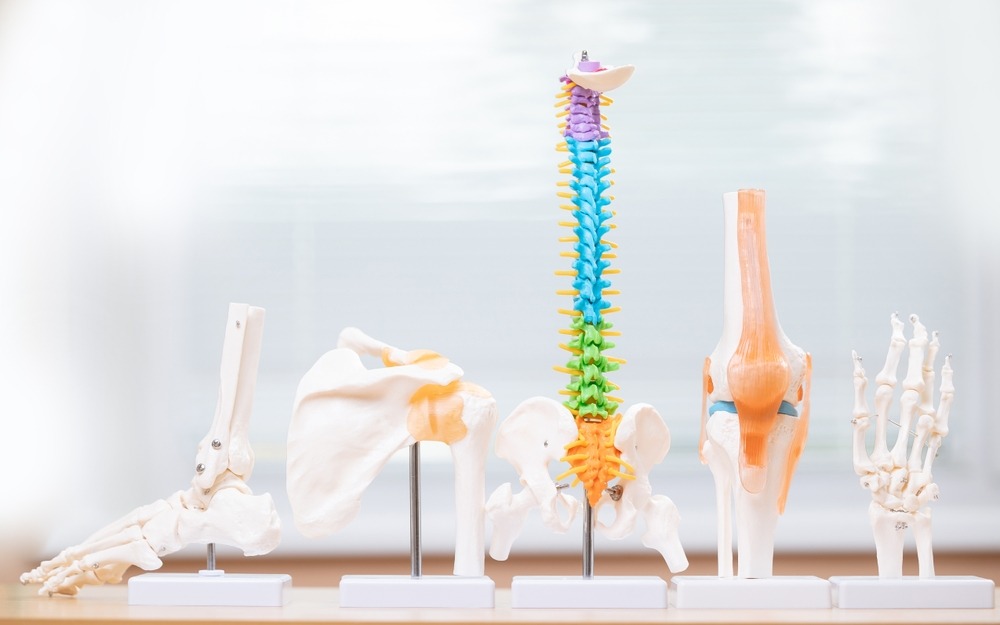
Not every ache needs a specialist—but some do. If you’re dealing with joint pain, stiffness, or a recent injury that’s not improving, you might be wondering whether it’s time to book an appointment with an orthopedic doctor or if rest and over-the-counter remedies will do the job. The truth is, knowing when to seek specialist care can make the difference between a quick recovery and months of lingering discomfort.
This guide walks you through the key signs that warrant an orthopedic consultation, what to expect when you arrive, and how to prepare for your appointment.
Red Flags: When Pain Means You Need a Specialist

Certain signs are clear indicators that specialist assessment is worthwhile. Persistent pain lasting more than two weeks is your first major signal. If an ache hasn’t improved with rest, ice, or over-the-counter pain relief in that timeframe, an orthopedic evaluation can help clarify what’s happening and guide effective treatment. For specialist care options, see Orthopedics clinic.
Watch for these additional warning signs:
- Swelling, redness, or warmth in a joint that doesn’t resolve within a few days
- Limited range of motion or stiffness that affects your ability to work, exercise, or perform daily tasks
- Difficulty bearing weight on a leg or arm, or signs of instability (feeling like a joint might “give out”)
- Pain following an injury or sports activity that worsens instead of improving
- Night pain that disrupts your sleep or causes you to wake in discomfort
- Numbness, tingling, or weakness alongside the pain
Some symptoms need immediate care rather than a routine appointment. If a joint appears “out of place,” you can’t move a joint at all, you have an open wound with bone exposure, or you experience sudden severe pain, seek emergency assessment right away.
Common Reasons People See an Orthopedic Doctor

Orthopedic specialists treat far more than broken bones. They diagnose and manage acute injuries (sprains, strains, fractures) and chronic conditions (arthritis, degenerative disc disease) affecting your bones, joints, muscles, cartilage, tendons, and ligaments.
In the UAE, where busy professional schedules and summer heat create unique musculoskeletal challenges, common reasons for orthopedic visits include:
- Sports injuries and repetitive strain from gym work or outdoor activities
- Desk and office strain affecting the neck, shoulders, and lower back—particularly common among expats managing demanding work hours
- Ligament sprains and muscle strains that aren’t resolving with initial home care
- Age-related joint wear and stiffness, especially during hot months when dehydration can worsen inflammation
- Travel-related repetitive stress from long flights and prolonged sitting, affecting hips and knees
- Chronic pain conditions requiring diagnostic clarity and a structured treatment plan
Early specialist input for these issues often allows non-surgical options—physiotherapy, activity modification, targeted exercises—to be effective, avoiding prolonged discomfort and the need for later procedures.
What Happens at Your First Orthopedic Appointment
Understanding the appointment flow reduces anxiety and helps you make the most of your time.
Your orthopedic doctor will begin with a detailed history: when the pain started, what makes it better or worse, how it’s affecting your work and daily life, and any previous injuries or treatments. Be honest about your lifestyle and activity level—this context shapes the diagnosis and treatment plan.
Next comes a physical examination. Your doctor will assess your range of motion, strength, stability, and pain response through hands-on testing. They’ll also look for swelling, warmth, or alignment issues. This clinical evaluation is where specialist expertise shines; experienced orthopedic assessment often clarifies a diagnosis without needing imaging right away.
Imaging—X-rays, ultrasound, or MRI—may be recommended, but it typically follows clinical assessment, not before it. Selective imaging based on your clinical findings is more efficient and cost-effective than routine imaging for every complaint. Your doctor will explain whether imaging is needed and why.
Finally, your orthopedic doctor will discuss findings and outline treatment options, which might range from physiotherapy and lifestyle changes to medication or procedural consultation. You’ll leave with a clear plan and realistic timeline for improvement.
How to Prepare for Your Orthopedic Consultation

Simple preparation improves your appointment experience.
Bring relevant documentation: any previous imaging (X-rays, MRI films), medical records from other doctors, and a list of current medications or supplements. If you’ve been managing pain with specific exercises or heat/ice, note what works and what doesn’t.
Wear comfortable, loose clothing that allows your doctor to examine the affected area easily. Avoid tight jeans, heavy jackets, or anything that restricts movement.
Write down your questions and concerns beforehand. Common ones include: What caused this? Will it need surgery? How long until I can return to work or exercise? What can I do at home to help recovery? Jot these down so you don’t forget during the appointment.
Arrive a few minutes early to complete any paperwork, and plan for the appointment to take 30–45 minutes, including assessment and discussion.
Next Steps: Diagnosis, Imaging, and Treatment Planning
After your consultation, your orthopedic doctor will share a diagnosis and treatment pathway tailored to your condition and lifestyle.
Treatment often begins conservatively: rest, targeted physiotherapy, activity modification, or anti-inflammatory measures. Many conditions resolve or significantly improve with this approach. If conservative care isn’t effective after a reasonable trial period (usually 4–6 weeks for soft-tissue injuries), your doctor may recommend advanced imaging, specialist consultation on procedural options, or structured physiotherapy and rehabilitation.
This staged approach prevents unnecessary procedures while ensuring you get the right level of care when you need it. In the UAE’s private healthcare system, coordinated specialist assessment followed by clear pathways to physiotherapy or surgical options streamlines care for busy professionals. You avoid the back-and-forth between clinics and get transparent guidance on costs, timelines, and outcomes.
Early orthopedic assessment offers real benefits: diagnostic clarity, timely intervention that prevents complications, and a structured recovery plan that gets you back to work and activity faster. If your pain or stiffness is affecting your quality of life or hasn’t improved within two weeks, a specialist consultation is a practical next step.
Frequently Asked Questions
Q: Do I need imaging before seeing an orthopedic doctor?
A: No. Clinical assessment comes first. Your doctor will determine whether imaging is needed based on their findings. This approach reduces unnecessary costs and radiation exposure.
Q: Can physical therapy replace orthopedic care?
A: For many conditions, physiotherapy is highly effective—but it works best when guided by a clear diagnosis and structured plan from an orthopedic specialist. The specialist confirms what’s wrong and directs the therapy accordingly. Depending on your condition, physiotherapy and rehabilitation may be a key part of your recovery.
Q: How long should I wait before seeing an orthopedic doctor?
A: If pain, swelling, or limited movement persists beyond two weeks, don’t wait. Early intervention prevents complications and often shortens recovery time.
Q: What if my pain goes away before my appointment?
A: Keep your appointment if you’re unsure whether healing is complete. Your doctor can assess the injury thoroughly and rule out underlying damage that might flare up later with activity.
Q: Will I definitely need surgery?
A: Most orthopedic conditions are managed non-surgically with physiotherapy, activity modification, and time. Surgery is recommended only when conservative care hasn’t been effective or the injury warrants it structurally.
Request Your Appointment
Book a specialist consultation with an experienced orthopedic doctor to get clarity on your joint pain and create a treatment plan suited to your lifestyle.
This article is for informational purposes only and does not constitute medical advice. Please consult a qualified healthcare professional for personalised guidance tailored to your individual needs.