Personalised Hair Restoration and Treatment Options at Novomed
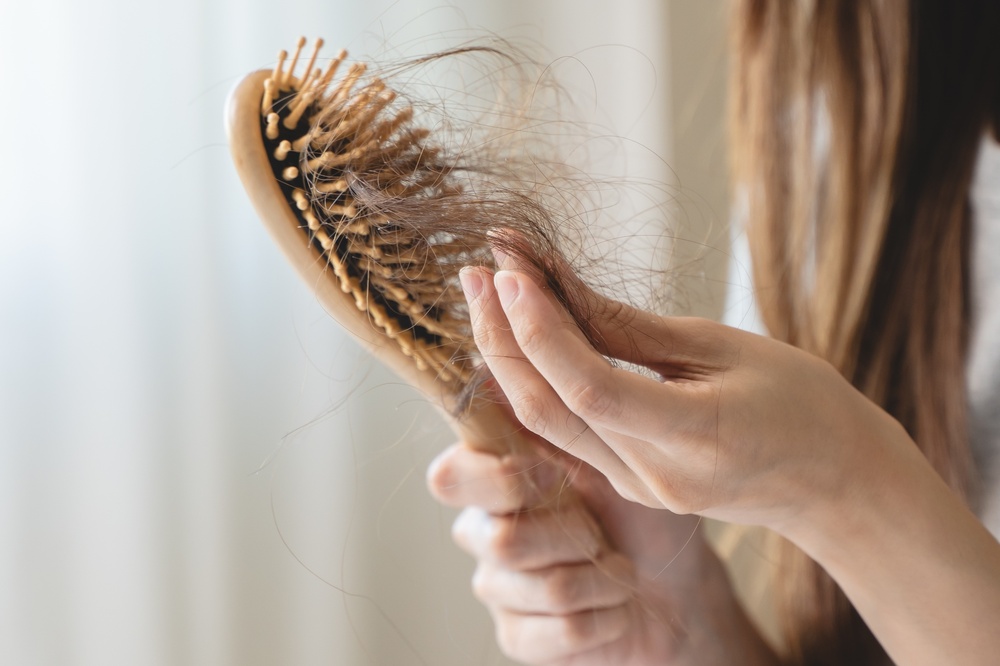
Hair loss can develop for several reasons, including hereditary factors, hormonal changes, medical conditions, nutritional deficiencies, stress, and scalp disorders. It may appear as gradual thinning, excessive shedding, a receding hairline, or localised bald patches.
One of the most common causes is androgenetic alopecia, also known as hereditary hair loss. It is associated with genetic sensitivity to dihydrotestosterone (DHT), a hormone that can gradually cause susceptible hair follicles to shrink and produce finer, shorter hairs.
At Novomed, hair loss treatment begins with an assessment to identify the possible cause, pattern, and extent of hair loss. Depending on the findings, treatment options may include medical management, PRP therapy, laser therapy, scalp micropigmentation, or hair transplantation for suitable candidates.
What Causes Hair Loss?
Hair loss may occur due to several factors, including:
- Hereditary Hair Loss: Genetic sensitivity to DHT can cause hair follicles to gradually shrink, resulting in thinner hair and reduced density.
- Hormonal Changes: Changes in hormone levels may affect the hair growth cycle and contribute to increased shedding.
- Nutritional Deficiencies: Low levels of iron and certain vitamins or minerals may contribute to hair thinning.
- Stress and Illness: Physical or emotional stress, surgery, illness, and significant changes in the body may trigger temporary hair shedding.
- Traction Alopecia: Repeated pulling or tension on the hair can damage follicles and cause localised hair loss.
- Medical Conditions: Certain autoimmune conditions, scalp disorders, and other health concerns may affect normal hair growth.
- Medication: Some medications may cause hair shedding as a side effect.
Identifying the underlying cause is important before selecting a suitable hair loss treatment.
Types of Hair Loss
Hair loss can present in different patterns depending on its cause.
1. Androgenetic Alopecia
Androgenetic alopecia is a hereditary condition associated with sensitivity to DHT. It can cause gradual hair thinning, a receding hairline, reduced density around the crown, or more widespread thinning across the scalp.
2. Telogen Effluvium
Telogen effluvium is a form of increased hair shedding that may develop following illness, surgery, stress, childbirth, nutritional changes, or other physical triggers. It can be temporary or prolonged, depending on the underlying cause.
3. Traction Alopecia
Traction alopecia develops when repeated tension or pulling damages the hair follicles. It may be associated with tight hairstyles, extensions, or other practices that place continuous stress on the hair.
4. Alopecia Areata
Alopecia areata is an autoimmune condition in which the immune system affects hair follicles, resulting in patchy hair loss. It can affect the scalp and other hair-bearing areas.
5. Scarring Alopecia
Scarring alopecia refers to conditions that damage hair follicles and replace them with scar tissue. Early diagnosis and treatment are important because follicular damage may result in permanent hair loss.
6. Trauma-Related Hair Loss
Hair loss may occur in areas affected by burns, injuries, surgical incisions, or other forms of physical damage. Hair transplantation may be considered in selected cases once the affected area is stable.
Hair Loss Treatment Options in Dubai
The appropriate treatment depends on the cause of hair loss, scalp health, follicle condition, medical history, and individual needs. Available treatment approaches may include the following:
1. Medical Hair Loss Treatment
Medical treatment may help manage certain types of hair loss and support existing hair growth.
Options may include:
- Minoxidil: A topical medication that may help support hair growth and manage certain types of hair thinning.
- Finasteride: An oral medication that may be prescribed for selected patients with androgenetic alopecia. It requires medical assessment and is not suitable for everyone.
- Other Medical Treatments: Depending on the diagnosis, the specialist may recommend medication or treatment of underlying hormonal, nutritional, or medical factors.
The appropriate medication, dosage, and duration depend on individual medical assessment.
2. PRP Hair Treatment
Platelet-Rich Plasma (PRP) therapy uses a preparation derived from the patient’s own blood. A blood sample is processed to concentrate platelets, and the resulting plasma is injected into selected areas of the scalp.
PRP may be considered as an additional treatment for certain types of hair thinning. The number of sessions and expected response depend on the individual’s condition and treatment plan.
3. Laser Hair Therapy
Low-level laser therapy uses specific wavelengths of light to target the scalp and may be considered as a non-invasive option for selected types of hair thinning.
The suitability of laser therapy depends on the cause and extent of hair loss. A specialist can advise whether it may be appropriate as part of a hair restoration plan.
4. Scalp Micropigmentation
Scalp micropigmentation is a cosmetic procedure that uses specialised pigments to create the appearance of increased hair density or a closely shaved hairstyle.
It does not stimulate hair growth or restore hair follicles. It may be considered by individuals looking for a cosmetic approach to the appearance of thinning areas.
5. Hair Transplantation
Hair transplantation may be considered when hair loss is stable and sufficient healthy donor follicles are available.
The procedure involves moving hair follicles from a donor area to areas affected by hair loss. Two established techniques are Follicular Unit Extraction (FUE) and Follicular Unit Transplantation (FUT).
The suitability of transplantation depends on donor hair quality, the pattern of hair loss, scalp health, and long-term treatment goals.
Types of Hair Transplant Techniques
1. Follicular Unit Transplantation (FUT)
Follicular Unit Transplantation (FUT), also known as strip hair transplantation, involves removing a strip of scalp tissue from the donor area, usually at the back of the head.
The strip is carefully dissected under magnification into individual follicular units. These grafts are prepared and implanted into the recipient areas.
The donor area is closed with sutures, leaving a linear scar that may be concealed by surrounding hair, depending on the patient’s hairstyle and scar healing.
2. Follicular Unit Extraction (FUE)
Follicular Unit Extraction (FUE) involves extracting individual follicular units directly from the donor area using specialised instruments.
The extracted follicles are prepared and implanted into the areas affected by hair loss according to the planned hairline, natural hair direction, and desired distribution.
Unlike FUT, FUE does not require the removal of a strip of scalp or a linear donor-area incision. However, it can leave small dot-like scars at the extraction sites. Their visibility varies between individuals.
FUE may be considered by patients who prefer shorter hairstyles, although the donor area still requires careful assessment and planning.
Body Hair Transplantation
When scalp donor hair is limited or unsuitable, follicles from other areas of the body, such as the beard or chest, may be considered in selected cases.
Body Hair Transplantation (BHT) generally uses the FUE technique to extract individual follicles. It may be considered when the treatment area is relatively small and the available body hair has suitable characteristics.
Body hair can differ from scalp hair in texture, length, and growth cycle. Therefore, its suitability must be assessed before transplantation.
How Is Hair Transplantation Performed?
Although FUT and FUE use different extraction methods, the implantation process follows similar principles.
- Consultation and Assessment: The specialist evaluates the cause and pattern of hair loss, scalp health, donor hair density, medical history, and treatment goals.
- Treatment Planning: The recipient area, hairline design, estimated graft number, and extraction technique are planned according to individual requirements.
- Preparation and Anaesthesia: The donor and recipient areas are prepared, and local anaesthesia is administered.
- Hair Follicle Extraction: Follicles are collected from the donor area using the selected technique. FUT involves removing a strip of scalp, while FUE extracts individual follicular units.
- Graft Preparation: The extracted follicles are examined, sorted, and prepared for implantation.
- Recipient Site Preparation: Small openings are created in the recipient area, taking into consideration the planned hairline, density, angle, and natural direction of hair growth.
- Graft Implantation: The follicular units are placed into the prepared sites.
- Aftercare and Follow-Up: The patient receives instructions on scalp care, washing, activity restrictions, and follow-up appointments.
The number of grafts and the duration of the procedure depend on the size of the treatment area and the individual treatment plan. Some patients may require more than one session.
How Long Does Hair Loss Treatment Take?
The duration of hair loss treatment depends on the selected approach.
Medical treatments may require consistent use over several months before changes become noticeable. PRP and other scalp treatments may involve a series of sessions followed by maintenance, depending on the treatment plan.
Hair transplantation is a more detailed procedure involving follicle extraction, preparation, and implantation. FUE may take longer than FUT because follicles are extracted individually.
The specialist will discuss the expected treatment duration, session schedule, and recovery requirements during the consultation.
What to Expect After Hair Transplantation?
Hair transplantation involves a gradual growth process. The transplanted hair shafts commonly shed during the first few weeks, while the implanted follicles may remain in place and enter a new growth cycle.
The following timeline is a general guide:
- First 1–2 Weeks: Mild redness, swelling, tenderness, and small scabs may occur as the scalp heals.
- Around 2–3 Weeks: Transplanted hair shafts may shed. This is a common part of the post-transplant growth cycle.
- Around 3–4 Months: Initial new hair growth may become visible.
- Around 6–9 Months: Hair growth and coverage may become more noticeable.
- Around 9–12 Months: Results continue to mature, with changes in hair length, thickness, and density.
The timeline varies according to individual healing, donor hair quality, graft survival, and the underlying cause of hair loss.
Risks and Possible Side Effects
Hair loss treatments and hair transplantation have different risks depending on the approach used.
Possible side effects following hair transplantation include:
- Temporary redness and swelling.
- Mild pain, tenderness, or discomfort.
- Bruising and scabbing.
- Itching or temporary numbness.
- Small scars in the donor area.
- Folliculitis or inflammation around hair follicles.
- Infection or bleeding.
- Uneven hair growth or differences in hair density.
- Poor graft survival.
- Temporary shedding or shock loss affecting existing hair.
The specialist will explain the potential risks and precautions according to the selected procedure and individual medical history.
Post-Hair Transplant Care
Following a hair transplant, proper aftercare helps protect the transplanted follicles and supports the healing process.
Scalp Care
- Follow the specialist’s instructions for washing and cleaning the scalp.
- Avoid rubbing, scratching, or picking at the transplanted area.
- Protect the treated area from direct sun exposure as advised.
- Avoid strenuous activities that may cause excessive sweating until cleared by the specialist.
- Attend scheduled follow-up appointments.
Medical Treatments After Hair Transplantation
Some patients may benefit from additional medical treatments to help manage ongoing hair loss and support existing hair.
Minoxidil: A topical medication that may help support hair growth in certain types of hair loss. It should be used according to medical advice.
Finasteride: An oral medication that may be prescribed for selected patients with androgenetic alopecia. It is not suitable for everyone and requires careful medical consideration.
PRP Therapy: Platelet-Rich Plasma uses a preparation derived from the patient’s own blood and may be considered as an additional treatment in selected cases.
These treatments are not necessary or appropriate for everyone. The specialist will discuss suitable options based on the underlying cause of hair loss, medical history, and treatment goals.
Average Cost of Hair Loss Treatment in Dubai
The cost of hair loss treatment in Dubai depends on the selected procedure, the underlying cause of hair loss, the number of sessions required, and the individual treatment plan.
The following figures are indicative market estimates and are not Novomed’s confirmed prices.
| Treatment | Indicative average cost in Dubai |
|---|---|
| Hair loss consultation | AED 300–800 |
| PRP hair treatment | AED 700–1,800 per session |
| Laser hair growth therapy | AED 300–500 per session |
| Hair mesotherapy | AED 800–2,000 per session |
| Hair transplantation | Varies according to graft numbers and technique |
Medical investigations, prescription medication, and follow-up appointments may involve additional costs.
A specialist consultation is recommended to identify the cause of hair loss and determine the most appropriate treatment. The final cost depends on the treatment plan and the number of sessions required.
Why Choose Novomed for Hair Loss Treatment?
Novomed offers hair restoration consultations and treatment options tailored to individual hair and scalp concerns.
- Individualised Hair Assessment: The consultation considers hair loss patterns, scalp health, medical history, and donor hair availability when relevant.
- Multiple Treatment Approaches: Depending on the diagnosis, suitable options may include medical management, PRP therapy, laser therapy, and hair transplantation.
- Advanced Hair Restoration Techniques: FUE and FUT techniques may be considered for suitable candidates, depending on clinical requirements and service availability.
- Facial Hair Restoration: Selected cases of eyebrow, sideburn, moustache, and beard hair loss may be assessed for transplantation.
- Personalised Treatment Planning: Treatment recommendations are based on the underlying cause of hair loss, individual needs, and realistic treatment goals.
- Aftercare and Follow-Up: Patients receive guidance on recovery, scalp care, and ongoing treatment where appropriate.
Book a Hair Loss Treatment Consultation at Novomed
If you are experiencing excessive hair shedding, gradual thinning, a receding hairline, or localised hair loss, a specialist consultation can help identify possible causes and suitable treatment options.
Contact Novomed on 800 6686 to book your hair loss consultation in Dubai.