Novomed provides dark spots and pigmentation treatment in Riyadh, with treatment selected according to the cause, skin type, and severity of the pigmentation. A dermatologist assesses the skin before recommending the most appropriate treatment.
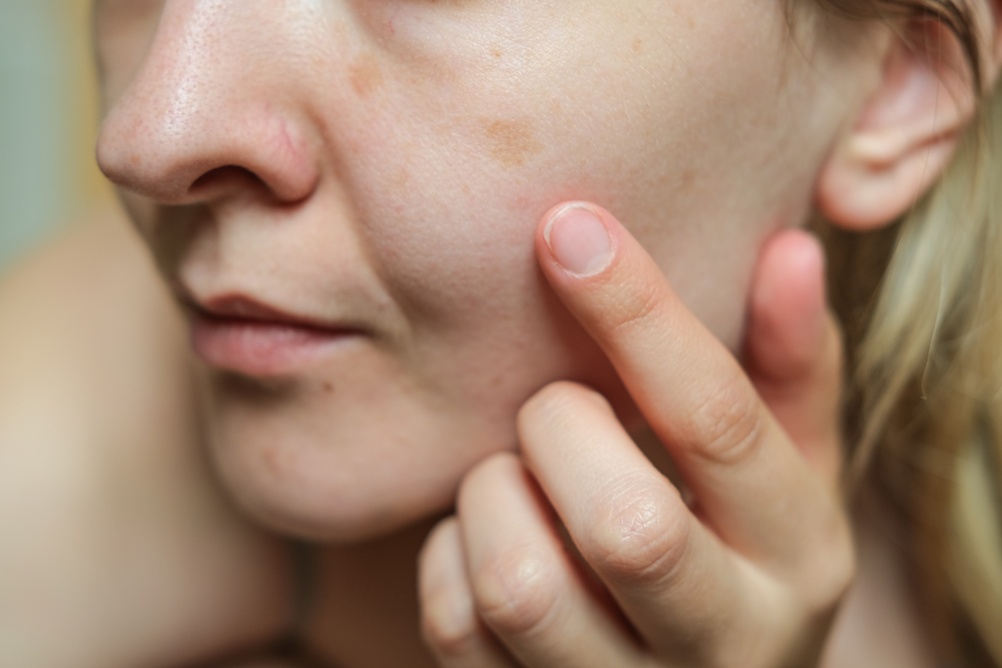
Dark spots are areas of skin that appear darker than the surrounding skin due to increased or uneven melanin production. They can develop after sun exposure, acne or skin inflammation, hormonal changes, or skin injuries.
Common types include sunspots, post-inflammatory hyperpigmentation, melasma, and age spots. Treatment depends on the underlying cause and may include topical treatments, chemical peels, laser or light-based procedures, or other dermatologist-recommended options.
Diagnosis of Dark Spots
Diagnosing dark spots starts with a dermatological examination to determine the cause and type of pigmentation. The dermatologist evaluates the spot’s color, size, shape, location, duration, and changes over time.
Depending on the appearance, diagnosis may include:
- Visual skin examination to identify common pigmentation such as sunspots, melasma, or post-inflammatory hyperpigmentation.
- Wood’s lamp examination to assess pigmentation beneath the skin’s surface.
- Dermoscopy to examine the spot in greater detail and identify features that may require further investigation.
- Skin biopsy when a spot looks unusual, changes over time, or needs to be checked for skin cancer.
A dark or changing spot should not automatically be assumed to be pigmentation. Rapid growth, changes in color or shape, irregular borders, bleeding, crusting, or a sore that does not heal should be assessed by a dermatologist promptly.
Causes of Dark Spots
Dark spots can develop when the skin produces excess melanin, the pigment responsible for skin color. Common causes include:
- Sun exposure: UV radiation can increase melanin production and cause sunspots or age spots.
- Acne and skin inflammation: Dark marks can remain after pimples, eczema, injuries, or other inflammation. This is called post-inflammatory hyperpigmentation.
- Hormonal changes: Pregnancy, hormonal contraception, and other hormonal changes can contribute to melasma.
- Skin injuries: Cuts, burns, or irritation may leave darker areas as the skin heals.
- Certain medications: Some medicines can increase pigmentation or make the skin more sensitive to sunlight.
- Skin conditions: Conditions such as melasma and some forms of dermatitis can cause uneven pigmentation.
- Aging: Cumulative sun exposure over the years can contribute to the development of age spots.
Because some dark or changing spots can have causes other than simple pigmentation, a dermatologist should evaluate new, rapidly changing, bleeding, crusting, or irregular spots.
Treatment Options for Dark Spots
Treatment depends on the cause, depth of pigmentation, skin type, and severity. A dermatologist may recommend one or a combination of the following:
- Topical treatments: Prescription or medical-grade creams containing ingredients such as hydroquinone, retinoids, azelaic acid, or other pigment-reducing agents may help reduce hyperpigmentation.
- Chemical peels: Carefully selected peels can remove damaged surface skin and improve uneven pigmentation.
- Laser and light-based treatments: Certain lasers or IPL may target excess pigment and improve sunspots and other types of pigmentation when appropriately selected.
- Microneedling: May help improve some forms of pigmentation and post-inflammatory marks, sometimes combined with topical treatments.
- Sun protection: Daily broad-spectrum sunscreen is essential to prevent dark spots from becoming darker and reduce recurrence.
- Treatment of the underlying cause: Managing acne, inflammation, hormonal factors, or another underlying condition is important to prevent new pigmentation.
Important: Not every dark spot should be treated cosmetically. A dermatologist should assess unusual, changing, bleeding, or rapidly growing spots before starting pigmentation treatment
Cost of Dark Spots Treatment in Riyadh
The cost of dark spots (hyperpigmentation) treatment in Riyadh varies depending on the cause of pigmentation, treatment method, area treated, and number of sessions required.
As a general market estimate:
| Treatment | Approximate cost |
|---|---|
| Topical pigmentation treatment | SAR 300–800 |
| Chemical peel | SAR 500–1,200 per session |
| Microneedling | SAR 600–900 per session |
| Laser pigmentation treatment | SAR 700–2,500 per session |
| Combination treatments | SAR 900–2,000+ |
Published Riyadh clinic pricing shows pigmentation treatments ranging from approximately SAR 300 to SAR 2,000, while specific laser treatments can reach around SAR 2,500 per session depending on the technology and condition.
At Novomed Riyadh, the final price should be confirmed after a dermatologist assesses the type and severity of your pigmentation, since some dark spots may require topical treatment while others may benefit from peels, laser, or combination treatment.
Why Choose Novomed Riyadh for Dark Spots Treatment?
- Experienced dermatology team: Novomed Riyadh provides specialist dermatological assessment for pigmentation and other skin concerns.
- Personalized diagnosis: Your dermatologist assesses the type and cause of pigmentation before recommending treatment.
- Multiple treatment options: Depending on your condition, treatment may include topical therapies, chemical peels, or laser-based treatments.
- Modern technology: Novomed Riyadh offers advanced laser and dermatology technologies for pigmentation and other skin conditions.
- Individual treatment plans: Treatment is tailored to your skin type, pigmentation, and desired outcome, with follow-up to monitor your response.
For a dark spot that is new, rapidly changing, irregular, bleeding, or crusting, a dermatological assessment should come before cosmetic pigmentation treatment.
Book a Dark Spots Consultation in Riyadh
Book a consultation with the dermatology team at Novomed – Riyadh to have your dark spots assessed and determine the most appropriate treatment. Novomed’s Riyadh dermatology clinic offers pigmentation assessment and treatment options tailored to the patient’s skin condition.