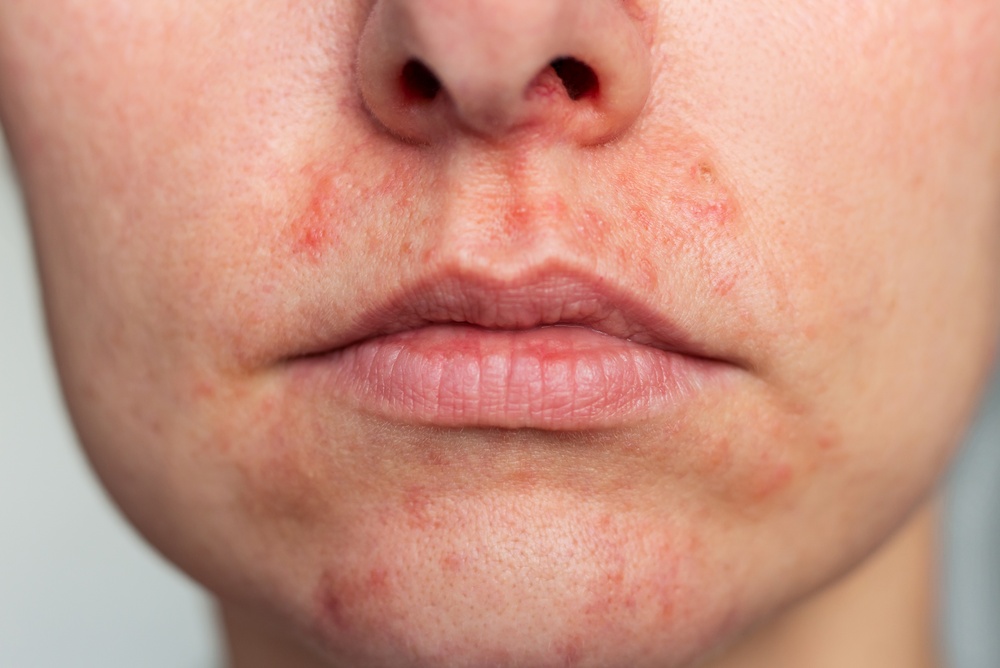
Novomed offers comprehensive Atopic Dermatitis (Eczema) treatment delivered by experienced dermatologists using evidence-based therapies tailored to your skin condition, age, and symptom severity. Our goal is to relieve itching, reduce inflammation, restore the skin barrier, and help prevent future flare-ups through personalized treatment plans.
What is Atopic Dermatitis?
Atopic dermatitis, commonly known as eczema, is a chronic inflammatory skin condition that causes dry, itchy, red, and irritated skin. It occurs when the skin barrier becomes weakened, allowing moisture to escape and irritants, allergens, and bacteria to penetrate the skin more easily.
Atopic dermatitis often develops during childhood but can affect people of any age. Symptoms may come and go over time, with periods of flare-ups and remission. Although there is no permanent cure, appropriate medical treatment and skincare can effectively control symptoms, reduce flare-ups, and improve quality of life.
Causes of Atopic Dermatitis
The exact cause of atopic dermatitis (eczema) is not fully understood. It is believed to result from a combination of genetic, immune system, and environmental factors that weaken the skin barrier and trigger inflammation.
Common Causes and Triggers
- Genetics: A family history of eczema, asthma, or hay fever increases the risk of developing atopic dermatitis.
- Skin Barrier Dysfunction: A weakened skin barrier allows moisture to escape and irritants, allergens, and bacteria to penetrate the skin more easily.
- Overactive Immune Response: The immune system overreacts to environmental triggers, causing chronic skin inflammation.
- Environmental Allergens: Dust mites, pollen, pet dander, mold, and certain fabrics can trigger flare-ups.
- Irritants: Soaps, detergents, fragrances, harsh skincare products, and chemicals may worsen symptoms.
- Dry Skin: Low humidity, cold weather, and frequent washing can dry the skin and increase the risk of eczema flare-ups.
- Stress: Emotional stress does not cause eczema but can trigger or worsen symptoms.
- Food Allergies: In some children and selected individuals, certain foods may contribute to flare-ups, although they are not a cause in most cases.
- Climate Changes: Hot weather, sweating, cold temperatures, and sudden weather changes may aggravate symptoms.
Because triggers vary from person to person, a dermatologist can help identify your specific triggers and develop a personalized treatment plan to effectively manage atopic dermatitis and reduce future flare-ups
Diagnosis of Atopic Dermatitis
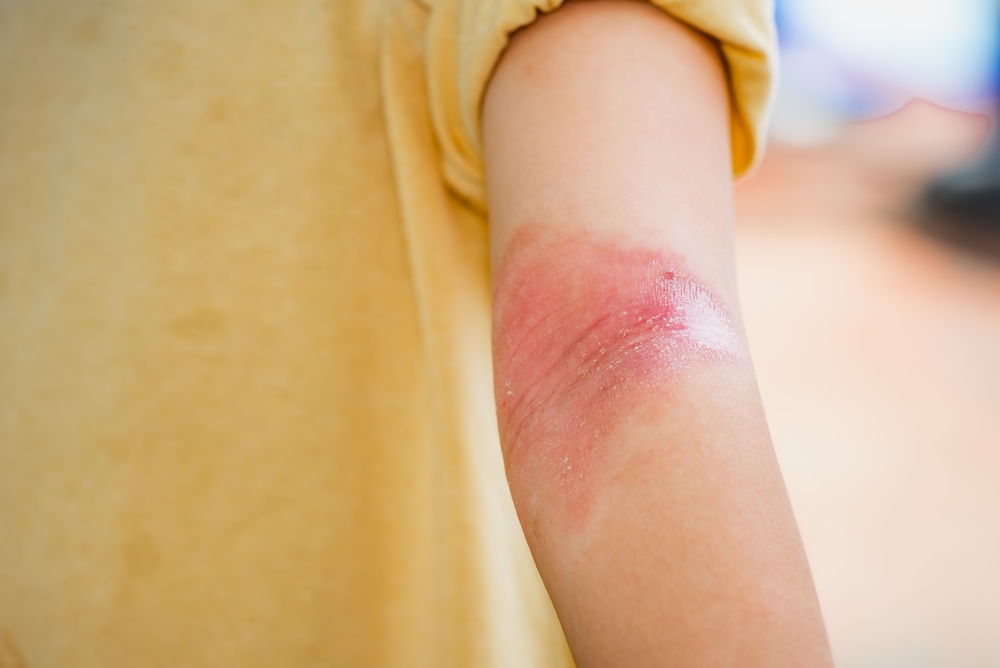
Diagnosing atopic dermatitis (eczema) involves a comprehensive evaluation of your skin, symptoms, and medical history. There is no single laboratory test that confirms atopic dermatitis, so dermatologists diagnose the condition based on clinical findings and by ruling out other skin disorders.
How Atopic Dermatitis Is Diagnosed
- Medical History: Your dermatologist will ask about your symptoms, when they began, family history of eczema, asthma, or allergies, previous treatments, and possible triggers.
- Physical Examination: The skin is examined for characteristic signs such as dry, itchy, inflamed, or thickened patches and their distribution on the body.
- Assessment of Symptom Pattern: The severity, frequency of flare-ups, and affected areas are evaluated to determine the extent of the condition.
- Patch Testing: If allergic contact dermatitis is suspected, patch testing may be recommended to identify substances that trigger skin reactions.
- Allergy Testing: Skin prick tests or blood tests may be performed in selected patients if food or environmental allergies are suspected to contribute to flare-ups.
- Skin Biopsy (Rarely Needed): In uncommon cases, a small skin sample may be taken to rule out other skin conditions when the diagnosis is uncertain.
An accurate diagnosis helps your dermatologist develop a personalized treatment plan to control symptoms, reduce flare-ups, restore the skin barrier, and improve your overall skin health.
Atopic Dermatitis Treatment Options
Treatment for atopic dermatitis (eczema) aims to relieve itching, reduce inflammation, repair the skin barrier, prevent infections, and minimize future flare-ups. Your dermatologist will recommend a personalized treatment plan based on the severity of your symptoms and your individual needs.
Treatment Options Include:
- Medical Moisturizers (Emollients): Regular use of fragrance-free moisturizers helps restore the skin barrier, reduce dryness, and prevent flare-ups.
- Topical Corticosteroids: Prescription steroid creams or ointments help reduce inflammation, redness, and itching during eczema flare-ups.
- Topical Calcineurin Inhibitors: Non-steroidal medications such as tacrolimus or pimecrolimus may be recommended for sensitive areas or long-term management.
- Topical PDE4 or JAK Inhibitors: In selected patients, newer non-steroidal topical medications may help control inflammation.
- Oral Medications: Antihistamines may help relieve itching, while oral corticosteroids, immunosuppressants, or other medications may be prescribed for severe cases when appropriate.
- Biologic Therapy: Targeted biologic medications may be recommended for moderate to severe atopic dermatitis that does not respond adequately to conventional treatments.
- Phototherapy (Light Therapy): Controlled ultraviolet (UV) light treatment may help reduce inflammation and improve symptoms in selected patients with persistent eczema.
- Treatment of Skin Infections: Antibiotics, antivirals, or antifungal medications may be prescribed if the skin becomes infected.
- Trigger Identification and Avoidance: Identifying and avoiding irritants, allergens, harsh skincare products, and environmental triggers is an important part of long-term eczema management.
- Lifestyle and Skincare Guidance: Daily moisturizing, gentle cleansing, avoiding scratching, and following a dermatologist-recommended skincare routine can help reduce flare-ups and maintain healthy skin.
With appropriate treatment and ongoing care, most patients can achieve good symptom control, fewer flare-ups, and improved quality of life.
What to Expect After Atopic Dermatitis Treatment
The response to atopic dermatitis (eczema) treatment varies depending on the severity of the condition, treatment type, and how well triggers are managed. While atopic dermatitis is a chronic condition, most patients experience significant symptom improvement with appropriate medical care.
After Starting Treatment, You May Expect:
- Reduced itching and discomfort, often within days to weeks of beginning treatment.
- Less redness and inflammation as the skin starts to heal.
- Improved skin hydration and restoration of the skin barrier with regular use of moisturizers.
- Healing of dry, cracked, or irritated skin over time.
- Fewer flare-ups with consistent treatment and avoidance of known triggers.
- Better sleep and improved quality of life as itching becomes more controlled.
- Regular follow-up appointments may be recommended to monitor your progress and adjust treatment if needed.
Long-Term Care
Atopic dermatitis is a chronic condition, so ongoing skincare and trigger management are important even after symptoms improve. Following your dermatologist’s treatment plan, moisturizing daily, and avoiding irritants can help maintain healthy skin and reduce the likelihood of future flare-ups.
With proper treatment and regular follow-up, many patients achieve long-term symptom control and healthier, more comfortable skin.
Cost of Atopic Dermatitis Treatment in Riyadh
The cost of Atopic Dermatitis treatment in Riyadh typically starts from SAR 250–600 for a dermatology consultation, while total treatment costs vary depending on the severity of the condition and the therapies required. Patients with mild eczema may only need topical medications and moisturizers, whereas moderate to severe cases may require phototherapy or biologic medications, increasing the overall treatment cost.
| Treatment | Approximate Cost |
|---|---|
| Dermatology consultation | SAR 250–600 |
| Topical medications | SAR 100–1,500 |
| Prescription moisturizers & barrier repair products | SAR 150–800 |
| Phototherapy (course of treatment) | SAR 1,500–6,000 |
| Biologic therapy (for severe eczema) | SAR 5,000–9,000+ |
Prices are approximate and may vary depending on the clinic, treatment plan, and medication prescribed.
Factors Affecting the Cost
- Severity and extent of atopic dermatitis
- Type of medication prescribed
- Need for phototherapy or biologic therapy
- Number of follow-up visits required
- Individual response to treatment
Why Choose Novomed Riyadh for Atopic Dermatitis Treatment?
At Novomed Riyadh, our experienced dermatologists provide comprehensive care for atopic dermatitis (eczema) using evidence-based treatments tailored to your skin condition, symptoms, and lifestyle. We focus on relieving itching, reducing inflammation, repairing the skin barrier, and helping prevent future flare-ups through personalized care.
Why Patients Choose Novomed
- Experienced Dermatology Specialists
Our dermatologists diagnose and treat all types and severities of atopic dermatitis, from mild eczema to chronic and recurrent cases. - Personalized Treatment Plans
Every patient receives an individualized treatment plan based on their age, symptom severity, medical history, and potential triggers to achieve long-term symptom control. - Advanced Diagnostic Evaluation
We perform a thorough clinical assessment to identify eczema triggers, rule out other skin conditions, and recommend the most appropriate treatment approach. - Comprehensive Treatment Options
Depending on your condition, treatment may include prescription topical medications, advanced therapies, phototherapy, biologic medications, skincare guidance, and long-term follow-up. - Modern Dermatology Facilities
Novomed combines experienced specialists with advanced dermatology technology to deliver safe, effective, and patient-centered care in a comfortable clinical environment. - Long-Term Eczema Management
Our team provides ongoing monitoring, education, and preventive strategies to help minimize flare-ups, protect the skin barrier, and improve your quality of life.
Why Choose Novomed Riyadh for Atopic Dermatitis Treatment?
At Novomed clinic Riyadh, our experienced dermatologists provide comprehensive care for atopic dermatitis (eczema) using evidence-based treatments tailored to your skin condition, symptoms, and lifestyle. We focus on relieving itching, reducing inflammation, repairing the skin barrier, and helping prevent future flare-ups through personalized care.
Book your Atopic Dermatitis consultation at Novomed Riyadh
Receive a personalized treatment plan designed to restore healthier, more comfortable skin.