Novomed Riyadh offers advanced Pigmentation Treatment performed by experienced dermatologists using personalized, evidence-based treatment plans. We provide a range of medical and aesthetic solutions, including laser therapy, chemical peels, prescription skincare, and other advanced treatments to reduce pigmentation and restore a clearer, more even skin tone.
Pigmentation refers to changes in the skin’s natural color caused by an increase or decrease in melanin, the pigment responsible for skin color. The most common form is hyperpigmentation, which appears as dark patches or spots on the skin due to excess melanin production. Pigmentation can affect the face or body and may develop as a result of sun exposure, hormonal changes, aging, acne scars, inflammation, certain medications, or skin injuries.
Although pigmentation is usually harmless, it can affect self-confidence and may become more noticeable over time without treatment. Depending on the cause and depth of pigmentation, treatments such as laser therapy, chemical peels, topical prescription medications, microneedling, and medical skincare can significantly improve skin tone and reduce discoloration. A dermatologist can recommend the most appropriate treatment based on your skin type and the underlying cause of pigmentation.
Diagnosis of Pigmentation
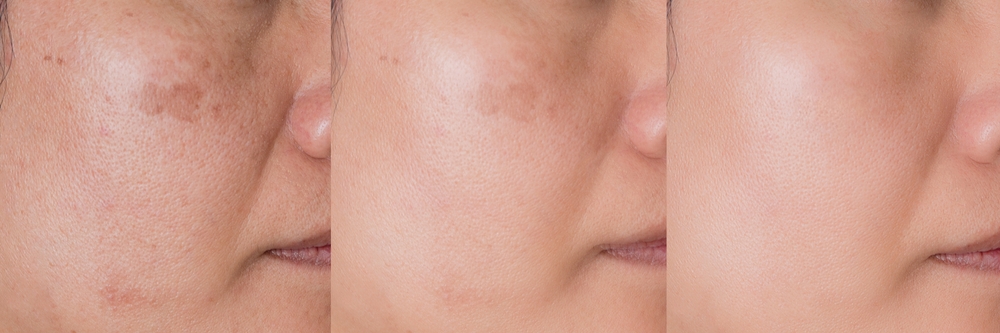
Diagnosing skin pigmentation begins with a comprehensive evaluation by a dermatologist to determine the cause, type, and depth of the discoloration. The doctor will review your medical history, including sun exposure, hormonal changes, medications, acne, previous skin injuries, and family history, followed by a detailed skin examination. A Wood’s lamp examination or dermoscopy may be used to assess whether the pigmentation is superficial or deeper within the skin. In rare cases, additional tests or a skin biopsy may be recommended to rule out other skin conditions. An accurate diagnosis is essential for selecting the most effective treatment and achieving the best possible results.
Causes of Pigmentation
Pigmentation occurs when the skin produces too much or too little melanin, the pigment that gives skin its natural color. The underlying cause determines the type of pigmentation and the most appropriate treatment.
Common causes of skin pigmentation include:
- Sun exposure and ultraviolet (UV) radiation
- Hormonal changes, including pregnancy and birth control pills
- Melasma
- Post-inflammatory hyperpigmentation (PIH) following acne, eczema, burns, or skin injuries
- Aging and the development of age spots (solar lentigines)
- Certain medications that increase skin sensitivity or alter pigmentation
- Genetic factors and inherited skin conditions
- Skin irritation from cosmetic procedures or harsh skincare products
- Medical conditions, such as Addison’s disease or other hormonal disorders
- Heat and visible light exposure, which may worsen some forms of pigmentation
Because different types of pigmentation require different treatments, a dermatologist should evaluate the underlying cause before recommending the most appropriate treatment plan.
Pigmentation Treatment Options
The most effective treatment for skin pigmentation depends on the underlying cause, the depth of the pigment, your skin type, and the area being treated. A dermatologist will recommend a personalized treatment plan to safely reduce discoloration and achieve a more even skin tone.
1. Topical Medications
Prescription creams and medical skincare products are often the first step in treating pigmentation and may include:
- Hydroquinone
- Retinoids (Tretinoin)
- Azelaic acid
- Kojic acid
- Vitamin C
- Niacinamide
- Tranexamic acid (topical)
2. Chemical Peels
Chemical peels exfoliate the outer layers of the skin to reduce superficial pigmentation, improve skin texture, and brighten the complexion. Multiple sessions may be recommended for optimal results.
3. Laser Pigmentation Treatment
Advanced laser technology can precisely target excess melanin while minimizing damage to surrounding skin. Depending on the type of pigmentation, your dermatologist may recommend:
- Q-switched laser
- Picosecond laser
- Fractional laser
- Other pigment-specific laser systems
4. Intense Pulsed Light (IPL)
IPL uses broad-spectrum light to reduce sun spots, age spots, freckles, and certain types of superficial pigmentation while improving overall skin tone.
5. Microneedling
Microneedling may help improve post-inflammatory hyperpigmentation by stimulating collagen production and enhancing the absorption of topical treatments.
6. Medical Skincare
A customized skincare routine helps maintain results and may include:
- Brightening serums
- Antioxidants
- Medical-grade moisturizers
- Daily broad-spectrum SPF 50+ sunscreen
7. Lifestyle and Sun Protection
Daily sun protection is essential to prevent pigmentation from worsening or recurring. Your dermatologist may recommend:
- Broad-spectrum sunscreen (SPF 50+)
- Protective clothing and hats
- Avoiding excessive sun exposure
- Gentle skincare products to reduce skin irritation
Personalized Pigmentation Care
At Novomed Riyadh, our dermatologists assess the cause and depth of pigmentation before creating a personalized treatment plan. Combining advanced technologies with medical skincare helps achieve clearer, brighter, and more even-toned skin while minimizing the risk of recurrence.
Benefits of Pigmentation Treatment
Professional Pigmentation Treatment can safely reduce unwanted discoloration, improve overall skin tone, and restore a brighter, more even complexion. The most appropriate treatment depends on the type and cause of pigmentation.
Benefits include:
- Reduces dark spots, sun spots, and age spots
- Improves melasma and post-inflammatory hyperpigmentation (PIH)
- Creates a more even skin tone
- Brightens dull and uneven-looking skin
- Enhances overall skin texture and radiance
- Targets excess melanin while preserving healthy surrounding skin
- Helps reduce pigmentation caused by acne scars and sun damage
- Stimulates healthier skin renewal and, with some treatments, collagen production
- Can be customized for different skin types and pigmentation concerns
- May improve self-confidence by enhancing skin appearance
- Non-surgical treatments with little to no downtime for many patients
- Helps maintain long-term results when combined with proper skincare and daily sunscreen use
With an accurate diagnosis and a personalized treatment plan, most patients notice a gradual improvement in pigmentation over several treatment sessions. Regular sun protection and maintenance skincare are essential for achieving long-lasting results.
Side Effects and Risks of Pigmentation Treatment
Most pigmentation treatments are safe and well tolerated when performed by an experienced dermatologist. The type and likelihood of side effects depend on the treatment used, your skin type, and how well you follow post-treatment care instructions.
Common Side Effects
- Mild redness and swelling
- Temporary skin sensitivity
- Dryness or peeling
- Mild discomfort or a warm sensation after treatment
- Temporary darkening of treated pigmentation before it fades
- Slight crusting or flaking after laser or chemical peel treatments
These side effects are usually mild and resolve within a few days to one week.
Possible Risks
- Post-inflammatory hyperpigmentation (PIH), especially in darker skin tones
- Temporary lightening of the skin (hypopigmentation)
- Recurrence of pigmentation if sun protection is not maintained
- Blistering or scabbing (rare)
- Infection (uncommon)
- Scarring (rare when treatment is performed correctly)
- Allergic reactions to topical medications or chemical peel solutions
- Uneven skin tone if aftercare instructions are not followed
How to Reduce the Risk of Side Effects
- Choose an experienced dermatologist for your treatment.
- Use a broad-spectrum SPF 50+ sunscreen every day.
- Avoid direct sun exposure before and after treatment.
- Follow your dermatologist’s skincare and aftercare instructions carefully.
- Avoid picking, scratching, or exfoliating treated skin until it has fully healed.
- Attend follow-up appointments to monitor your progress and adjust your treatment plan if needed.
With proper patient selection, professional treatment, and good sun protection, most patients experience noticeable improvement in pigmentation with minimal downtime and a low risk of complications.
Cost of Pigmentation Treatment in Riyadh
The cost of pigmentation treatment in Riyadh typically ranges from SAR 300 to SAR 4,000 per session, depending on the treatment method. Chemical peels and microdermabrasion are generally more affordable, while advanced laser treatments such as Q-Switched and Pico Laser cost more. Most patients require multiple sessions for optimal results, and your dermatologist will provide a personalized treatment plan and cost estimate after evaluating your skin.
| Treatment | Approximate Cost |
|---|---|
| Dermatologist consultation | SAR 200–500 |
| Topical prescription medications | SAR 100–500+ |
| Chemical peels | SAR 400–1,500 per session |
| IPL (Intense Pulsed Light) | SAR 800–2,000 per session |
| Q-Switched Laser | SAR 1,500–3,500 per session |
| Pico Laser | SAR 1,800–4,000 per session |
| Fractional Laser | SAR 2,500–6,000 per session |
| Microneedling with PRP | SAR 1,000–3,000 per session |
| Microdermabrasion | SAR 300–800 per session |
Prices are approximate and may vary depending on the clinic, technology used, and your personalized treatment plan.
Factors That Affect the Cost
- Type and cause of pigmentation
- Depth and severity of the pigmentation
- Size of the treatment area
- Treatment method recommended (laser, chemical peel, IPL, or topical therapy)
- Number of treatment sessions required
- Dermatologist’s expertise
- Technology and laser system used
- Maintenance treatments and medical skincare products
Why Choose Novomed for Pigmentation Treatment in Riyadh?
At Novomed Riyadh, pigmentation treatment is provided by experienced dermatologists who accurately diagnose the underlying cause of skin discoloration and create personalized treatment plans for safe, effective, and long-lasting results. We combine advanced technology with evidence-based treatments to reduce pigmentation, restore an even skin tone, and help prevent recurrence.
Why Patients Choose us
- Experienced dermatology specialists
Our dermatologists diagnose and treat all types of pigmentation, including melasma, sun spots, age spots, freckles, and post-inflammatory hyperpigmentation. - Personalized treatment plans
Every treatment plan is tailored to your skin type, pigmentation depth, medical history, and aesthetic goals for the safest and most effective outcome. - Advanced pigmentation treatments
We offer a comprehensive range of treatments, including laser therapy, Pico Laser, Q-Switched Laser, chemical peels, IPL, prescription topical medications, and medical-grade skincare, depending on your condition. - Accurate skin assessment
Before treatment, we perform a detailed skin evaluation to determine the type and cause of pigmentation, allowing us to select the most appropriate treatment. - Advanced technology
Novomed utilizes modern laser and skin rejuvenation technologies designed to target unwanted pigmentation while minimizing damage to surrounding healthy skin. - Focus on long-term results
Our dermatologists emphasize maintenance care, medical skincare, and daily sun protection to help reduce the risk of pigmentation returning. - Safe, evidence-based care
All treatments are performed according to international dermatology standards, prioritizing patient safety and natural-looking results. - Comprehensive patient support
We provide detailed guidance on skincare, sun protection, and follow-up care to help maximize treatment outcomes and maintain clearer, more even-toned skin.
Book Your Pigmentation Consultation at Novomed
If you’re concerned about dark spots, melasma, acne marks, or uneven skin tone, book a consultation at Novomed Riyadh. Our dermatology specialists will assess your skin and recommend a personalized pigmentation treatment plan to help you achieve healthier, brighter, and more even-looking skin.