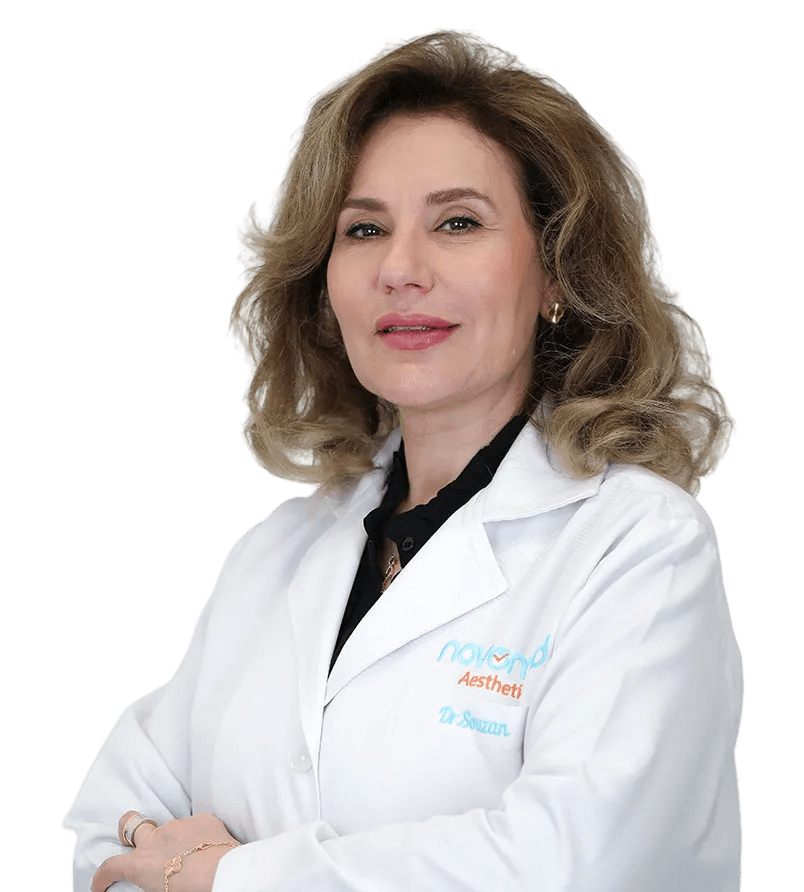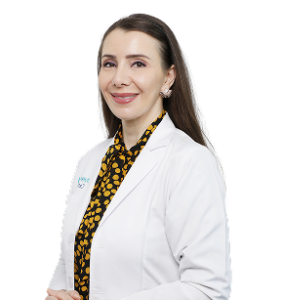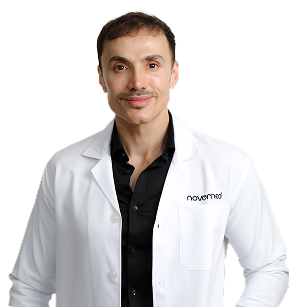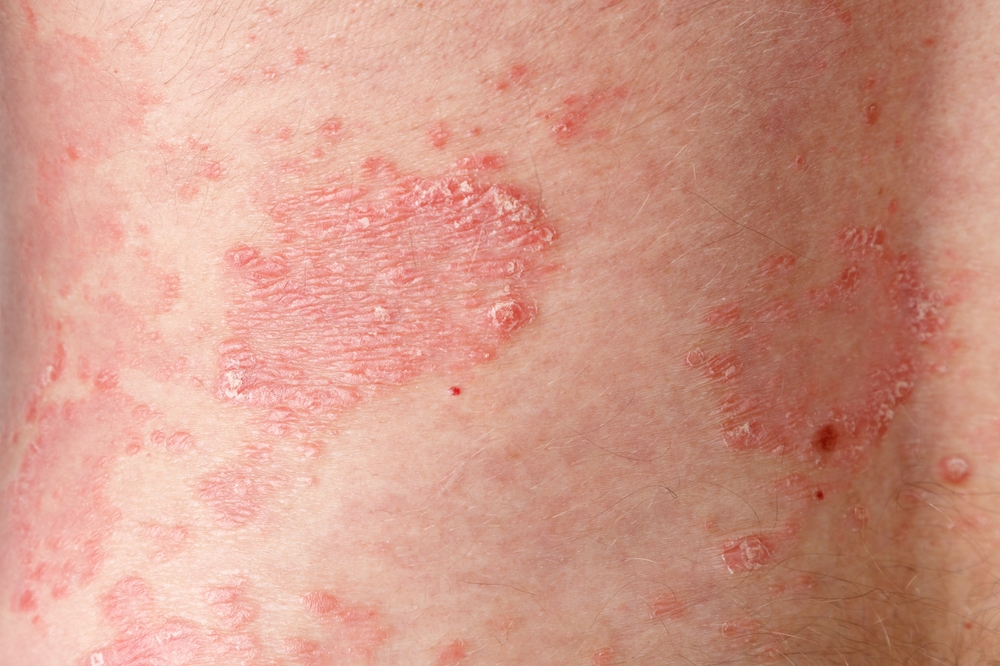
Novomed offers psoriasis treatment in Abu Dhabi with personalized dermatological care to help manage symptoms and flare-ups. Our dermatology team assesses your condition and recommends suitable treatment options based on your skin’s needs.
Psoriasis Causes
Psoriasis is a chronic inflammatory skin condition caused by an overactive immune response that speeds up skin cell production. Its exact cause is not fully understood, but genetics and immune system activity play important roles.
Common triggers that may cause flare-ups include:
- Stress
- Skin injuries, cuts, sunburn, or insect bites
- Infections, such as strep throat
- Certain medications
- Cold or dry weather
- Smoking and excessive alcohol use
Triggers vary from person to person, and psoriasis is not contagious.
Types of Psoriasis
| Type | Description | Common Areas |
|---|---|---|
| Plaque Psoriasis | The most common type, causing raised, red patches covered with silvery-white scales. | Elbows, knees, scalp, lower back |
| Guttate Psoriasis | Small, drop-shaped spots that may appear suddenly, sometimes after a throat infection. | Trunk, arms, legs |
| Inverse Psoriasis | Smooth, inflamed patches that may appear shiny and have little scaling. | Skin folds, such as the armpits, groin, and under the breasts |
| Pustular Psoriasis | Red skin with pus-filled bumps that are not caused by infection. | Hands, feet, or larger areas of the body |
| Erythrodermic Psoriasis | A rare, severe form that can cause widespread redness, peeling, and changes in body temperature. | Large areas of the body |
| Nail Psoriasis | Changes such as pitting, thickening, discoloration, or separation of the nails. | Fingernails and toenails |
| Psoriatic Arthritis | Psoriasis associated with joint pain, stiffness, and swelling. | Joints, fingers, toes, or spine |
Psoriasis can affect different areas and may involve more than one type. A dermatologist can assess symptoms and recommend appropriate care.
When Should You See a Dermatologist for Psoriasis?
Consider seeing a dermatologist if you:
- Develop persistent, itchy, red, or scaly patches on your skin.
- Notice symptoms spreading, worsening, or frequently returning.
- Have cracking, bleeding, pain, or signs of possible skin infection.
- Experience nail changes, such as pitting, thickening, or separation.
- Have joint pain, swelling, or morning stiffness, which may indicate psoriatic arthritis.
- Find that psoriasis affects your sleep, daily activities, or emotional well-being.
Seek prompt medical care if you develop widespread redness or peeling, fever, or rapidly worsening symptoms. A dermatologist can confirm the diagnosis and recommend suitable treatment.
Psoriasis Treatment Options
Psoriasis treatment depends on the type, severity, affected areas, and individual medical needs. Options may include:
| Treatment | Description |
|---|---|
| Topical treatments | Creams, ointments, or lotions such as corticosteroids, vitamin D analogues, or other prescribed medications to help reduce inflammation and scaling. |
| Phototherapy | Controlled exposure to medical ultraviolet light, commonly narrowband UVB, to help manage psoriasis. |
| Oral medications | Prescription medicines that help control inflammation and immune activity in selected cases. |
| Biologic therapies | Targeted treatments that act on specific immune pathways and may be considered for moderate to severe psoriasis. |
| Combination treatment | A dermatologist may combine treatments to address symptoms and support ongoing management. |
A dermatologist can assess your condition and recommend an appropriate treatment plan. Treatment response varies, and psoriasis may require ongoing management.
Psoriasis Treatment Steps
- Dermatology Consultation: Discuss symptoms, medical history, flare-ups, and previous treatments.
- Skin Examination: Assess the type, severity, and areas affected by psoriasis. Additional tests may be recommended if needed.
- Personalized Treatment Plan: Your dermatologist recommends suitable options, such as topical medications, phototherapy, oral medications, or biologic therapies.
- Treatment: Begin the prescribed treatment and follow the dermatologist’s instructions.
- Follow-Up Assessment: Review your response to treatment and monitor for side effects.
- Ongoing Management: Adjust treatment as needed and discuss skin care and ways to manage flare-ups.
Treatment type, duration, and frequency vary depending on the individual’s condition and response.
Cost of Psoriasis Treatment in Abu Dhabi
The cost of psoriasis treatment in Abu Dhabi varies depending on the severity of the condition and the treatment recommended. Novomed’s website lists the following indicative ranges for psoriasis treatment in the UAE: Novomed
| Treatment | Estimated Cost (AED) |
|---|---|
| Dermatology consultation | 300–800 |
| Phototherapy | 300–1,000 per session |
| Topical medications | Varies by prescription |
| Oral medications | Varies by medication |
| Biologic therapies | 2,000–5,000+ per treatment cycle |
Why Choose Novomed for Psoriasis Treatment?
- Specialist dermatology care: Assessment of psoriasis symptoms, severity, and affected areas.
- Personalized treatment plans: Recommendations tailored to your skin condition and individual needs.
- Multiple treatment options: Care may include topical medications, phototherapy, oral medications, or biologic therapies when appropriate.
- Ongoing monitoring: Follow-up to assess treatment response and adjust care as needed.
- Patient-focused guidance: Advice on skin care and managing potential flare-ups.
Book a Psoriasis Consultation at Novomed
Book an appointment with a Novomed dermatologist in Abu Dhabi or Al Ain to discuss your symptoms and suitable psoriasis treatment options. Contact 800 6686 to arrange your consultation.
| Branch | Address |
|---|---|
| Novomed MBZ City | 637 Al Anwar Street, Mohammed Bin Zayed City, Zone 19 (Z19), Abu Dhabi |
| Novomed Al Bateen | 312 King Abdullah Bin Abdulaziz Al Saud Street, Al Bateen, Abu Dhabi |
| Novomed Al Ain | Building 47, Towayya Al Ragayeb, Mohammed Ibn Zayed Al Awwal Street, Al Ain |