What is Bariatric Surgery Revisions?
Bariatric revision surgery is a procedure performed to correct, improve, or convert a previous weight loss surgery that has not achieved the desired results or has led to complications. It is typically recommended for patients who experience significant weight regain, inadequate weight loss, or problems related to their original bariatric procedure.
Revision surgery may involve repairing the original procedure or converting it to a different type of bariatric surgery, depending on the patient’s condition and treatment goals.
Reasons for Bariatric Revision Surgery
- Significant weight regain after bariatric surgery
- Insufficient weight loss following the initial procedure
- Gastric band complications, such as slippage, erosion, or intolerance
- Severe acid reflux (GERD) after sleeve gastrectomy
- Enlargement of the stomach pouch or gastric outlet
- Staple line or anatomical complications
- Persistent obesity-related health conditions, such as type 2 diabetes or sleep apnea
Types of Bariatric Revision Procedures
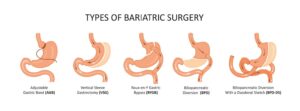
- Gastric Band to Sleeve Gastrectomy
- Gastric Band to Gastric Bypass
- Sleeve Gastrectomy to Gastric Bypass
- Revision of Gastric Bypass
- Removal or replacement of a gastric band
- Repair of bariatric complications
Bariatric revision surgery is generally more complex than primary bariatric surgery and should be performed by an experienced bariatric surgeon after a comprehensive medical evaluation. A personalized treatment plan is essential to determine the safest and most effective revision procedure.
Bariatric Surgery Revisions On Previously Failed Surgeries
Today, bariatric surgery is a particularly effective and accessible method of treatment for morbid obesity. If not for bariatric surgery, many obese patients would have very few options in terms of care. Usually, patients are extremely satisfied with their long-term results, namely substantial and sustainable weight loss, control or elimination of chronic diseases such as diabetes, and an overall better quality of life.
However, occasionally there can be a gap between what patients are expecting and their outcome. These patients will often visit our bariatric surgeon in Dubai as he is an expert at performing complex revision surgeries. Complaints from these patients include lower weight loss than expected, regaining the weight they lost, and experiencing uncomfortable side effects or nutritional issues. These complaints are not necessarily the fault of the initial surgeon; they may be unique to the patient or procedure.
It is important to remember that disappointing or non-durable results do not automatically mean permanent failure of treatment. Treating obesity is like treating any other complex health condition and not all methods work equally well on all patients. Combining and redoing different surgical procedures provides us the opportunity to overcome the issues.
Common reasons for unsatisfactory surgical outcomes
1. Individual responses
Every patient’s physiological response to surgery will be different and sometimes a technically correct, perfectly performed procedure might not give the perfect result. In addition, side effects of an otherwise effective procedure may prove to be intolerable, for example heartburn after a gastric sleeve operation or hypoglycemic episodes after gastric bypass. In these cases, a revision surgery can usually resolve the problem.
In other cases, patients might sabotage their results through substance abuse, for example, or they might be prescribed medication sometime after surgery that affects their eating behaviour or metabolism and leads to weight regain. In these circumstances, a patient would need to commit changing these habits or finding alternative medications after undergoing the second surgery.
2. Procedure longevity
Not all bariatric procedures are meant to be permanent and by their very nature, some of them require follow-up procedures down the line. For example, after around 10 years a gastric band can start to break down and lose its effect, or a gastric tube can eventually stretch leading to a loss in restriction.
3. Technical errors
Technical mistakes during an initial surgery might show up a year or two post-surgery, when the promising weight ceases and the patient starts gaining weight again. This could be caused, for example, if the gastric sleeve or gastric pouch were too large. If the patient follows the lifestyle guidelines their revision surgery can have excellent results.
Benefits of Bariatric Revision Surgery
Bariatric revision surgery can help patients achieve better weight loss and improve their overall health when their initial weight loss procedure no longer provides the desired results.
- Restores effective weight loss after weight regain or inadequate weight loss.
- Treats complications from previous bariatric surgery, such as gastric band slippage, erosion, or severe acid reflux.
- Improves obesity-related health conditions, including type 2 diabetes, high blood pressure, sleep apnea, and high cholesterol.
- Converts an unsuccessful procedure to a more effective bariatric operation when appropriate.
- Improves quality of life by increasing mobility, energy levels, and physical function.
- Enhances long-term weight management when combined with healthy lifestyle changes.
- Reduces the risk of obesity-related complications and chronic diseases.
- Personalized treatment tailored to your medical history, previous surgery, and weight-loss goals.
A comprehensive evaluation by an experienced bariatric surgeon is essential to determine whether revision surgery is the most appropriate option for your individual needs.
Side Effects and Risks of Bariatric Revision Surgery
Bariatric revision surgery is generally safe when performed by an experienced bariatric surgeon, but it is more complex than primary weight loss surgery and carries a higher risk of complications.
Common side effects include:
- Pain and discomfort after surgery
- Nausea and vomiting
- Temporary fatigue
- Swelling and bruising around the incision sites
- Changes in appetite and eating habits
Potential risks include:
- Bleeding
- Infection
- Blood clots (deep vein thrombosis or pulmonary embolism)
- Leakage from the stomach or intestinal staple line
- Scar tissue (adhesions)
- Bowel obstruction
- Acid reflux or digestive problems
- Nutritional deficiencies requiring lifelong vitamin supplementation
- Anesthesia-related complications
- Weight regain or inadequate weight loss if lifestyle changes are not maintained
Choosing a qualified bariatric surgeon, following post-operative instructions, attending regular follow-up appointments, and maintaining a healthy diet and exercise routine can significantly reduce the risk of complications and improve long-term outcomes.
Cost of Bariatric Revision Surgery in Dubai
The cost of bariatric revision surgery in Dubai typically ranges from AED 35,000 to AED 60,000, depending on the type of revision procedure, the complexity of the surgery, and the patient’s previous bariatric operation. More complex revisions may cost up to AED 85,000.
Typical Price Range
| Procedure | Estimated Cost |
|---|---|
| Gastric Band Revision or Conversion | AED 35,000–45,000 |
| Sleeve Gastrectomy Revision | AED 40,000–55,000 |
| Gastric Bypass Revision | AED 45,000–60,000 |
| Complex Bariatric Revision Surgery | AED 60,000–85,000 |
Why Choose Novomed for Bariatric Revision Surgery
At Novomed, bariatric revision surgery is performed by experienced bariatric specialists who understand that every patient’s weight-loss journey is unique. Our team provides a personalized approach to help patients who experience weight regain, insufficient weight loss, or complications after previous bariatric procedures.
Key reasons to choose Novomed for Bariatric Revision Surgery include:
- Expertise in complex revision procedures: Our bariatric surgeons have experience managing challenging cases after previous gastric sleeve, gastric bypass, or gastric band surgeries, providing tailored solutions based on each patient’s condition.
- Comprehensive patient evaluation: Before recommending revision surgery, Novomed specialists assess your previous procedure, medical history, weight-loss progress, nutritional status, and any complications to determine the most suitable treatment option.
- Advanced revision techniques: Depending on your needs, treatment options may include surgical revision procedures or minimally invasive endoscopic techniques such as Sleeve-in-Sleeve revision for selected gastric sleeve patients.
- Multidisciplinary weight-loss care: Novomed provides coordinated support from bariatric surgeons, dietitians, nurses, and other specialists to help improve long-term outcomes before and after revision surgery.
- Focus on safe, sustainable results: The goal of bariatric revision surgery at Novomed is not only additional weight loss but also improving obesity-related health concerns, quality of life, and long-term weight management.
- Patient-centered approach: Every revision case is carefully reviewed to understand why the initial surgery did not achieve the desired results and to create a treatment plan designed around your individual needs.
Book Your Bariatric Revision Surgery Consultation at Novomed
If you are considering Bariatric Revision Surgery after a previous weight-loss procedure, Novomed’s bariatric specialists can evaluate your condition and recommend the most suitable treatment approach. Book your consultation in Dubai clinics today to discuss your weight-loss goals, concerns, and available revision options.
Schedule your appointment with Novomed and take the next step toward achieving sustainable weight management and improved health.