What is Gastric Band Surgery
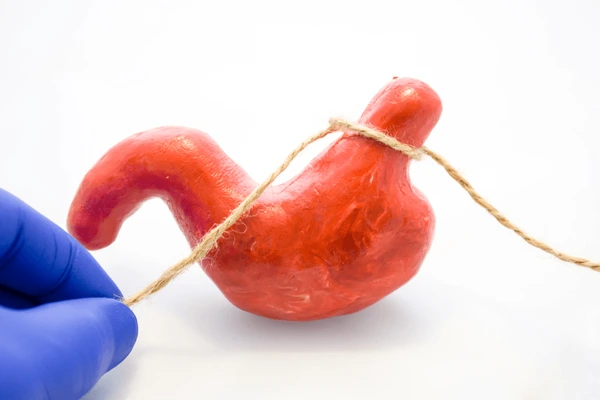
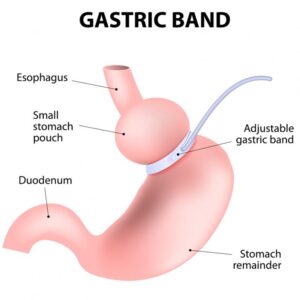
Gastric band surgery is a well-known weight-loss procedure for people who are overweight. It involves placing an adjustable band around the top of your stomach to help you eat less and lose excess weight.
While weight loss will be slower than in other procedures, the advantages of gastric bands include a shorter hospital stay and that it is reversible and adjustable.
Am I a suitable candidate for gastric banding?
- You will usually have to meet specific criteria to be considered a good candidate for gastric band surgery. These include:
- Have a body mass index (BMI) of 40 or more, or between 35 and 40 with a health condition such as diabetes or high blood pressure
- Tried all other treatment options first, such as dieting and exercise
- Being generally fit enough to undergo general anesthetic and surgery
- Commitment to long-term follow-up, including regular check-ups and making lifestyle changes
- Being prepared to attend regular follow-up appointments
Deciding on Gastric Band Surgery
If you are considering gastric banding, your doctor will explain the details of the procedure for you. They will also talk to you about other types of weight-loss surgery you may be able to perform, including sleeve gastrectomy and gastric bypass. Your surgeon can help you decide what is right for you.
Here are some points to consider:
- Gastric banding can help you lose weight. It also helps to reduce the risk of developing various health conditions, including diabetes, high blood pressure and high cholesterol, or improve it if you already have them.
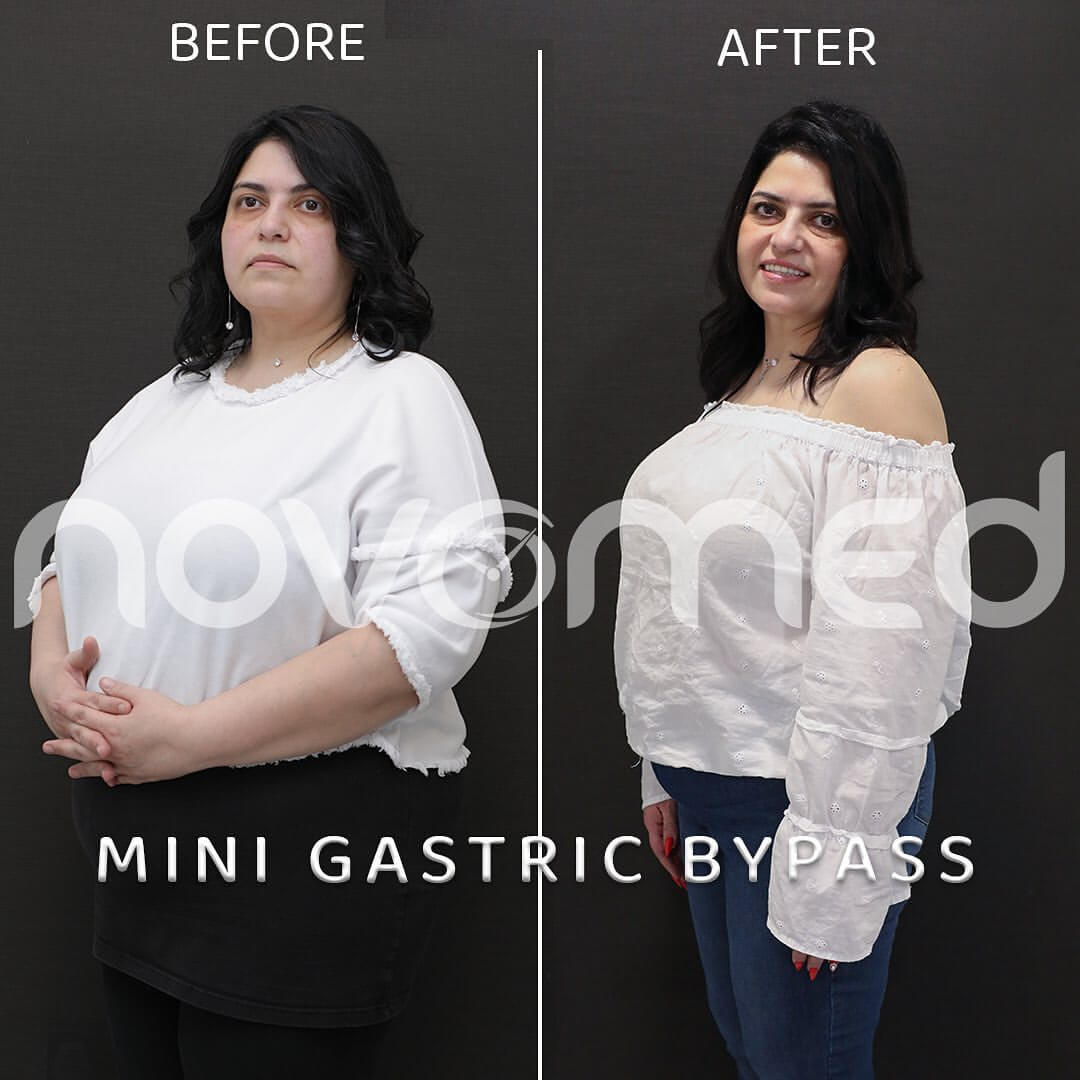
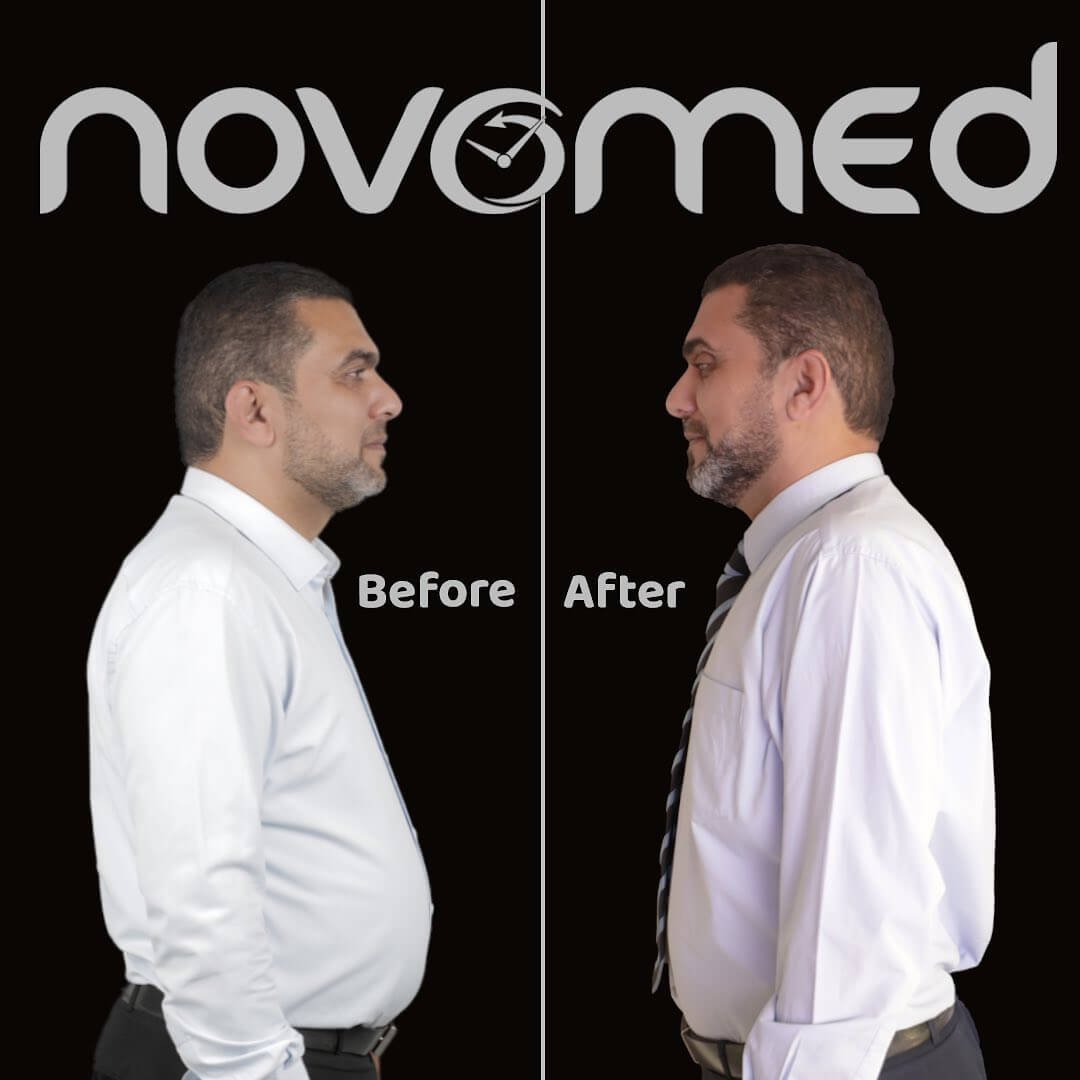
- The amount of weight lost varies from person to person, but most people lose about half of their excess weight over two years. Not everyone loses as much as they want.
- The band may need to be removed or replaced, for example, if the band has slipped or leaked.
Preparing for gastric band surgery
You will need some evaluations and blood tests to make sure you are fit for surgery. These may also indicate if you have any health conditions related to obesity.
If you smoke, you will be asked to stop – preferably at least six weeks before surgery. Smoking can lead to complications and affect wound healing. You may be asked to follow a low-fat, low-carbohydrate diet for a short period before the surgery; This will help shrink the liver and make the band easier and safer to put in place.
Gastric banding is performed under general anesthesia, which means that you will be asleep during the procedure. You will need to fast before general anaesthesia, and you will be given clear instructions on when to stop eating and drinking.
On the day of your surgery, your surgeon will meet with you to make sure you are doing well and still happy moving forward. The staff at Novomed Surgical Hospital will perform the final examinations and prepare you for surgery; This may include asking you to wear compression stockings and/or injecting an anticoagulant medication to help prevent deep vein thrombosis (DVT).
Risks and Complications
Gastric band surgery is fully reversible, the band can be removed and the original anatomy restored.
Compared to gastric bypass surgery, gastric band surgery does not reduce absorption of nutrients and therefore subsequent vitamin deficiency is unlikely. The main post-surgery problems are difficulty in swallowing, nausea, inadequate weight loss and the need for frequent band adjustments. The gastric band is a foreign body, which will need to be removed or replaced at some point.
What happens during gastric band surgery?
The gastric band will be fitted using keyhole (laparoscopic) surgery; This means that your surgeon will perform the surgery using instruments inserted through several small incisions in your abdomen, rather than one large incision.
The surgeon will insert the band and place it around the top of your stomach to create a small pouch over the gastric band. Your surgeon will fix a thin tube that connects the band to the injection port, used to tighten or loosen the band, just under the skin. After that, they will close the incisions in your abdomen. This is usually with dissolvable stitches or with clips, which will be removed after a week or so.
What do you expect after the surgery?
At the hospital
You will need to rest until the effects of the anesthetic wear off. You may also need some pain relievers to help relieve any discomfort you may be feeling.
You will have a drip into a vein in your hand or arm to give you fluids until you are well enough to drink. You will be encouraged to get out of bed and move around as soon as you feel able to; This will help reduce the risk of developing a chest infection and developing blood clots in your legs. Your nurse will give you tips on how to take care of your healing wounds and give you a follow-up appointment before you go home.
After going home
You will usually be able to go home on the day of the surgery or the next day. Make sure to ask someone to take you home and, if possible, stay with you for a day or so while the anesthetic wears off. You can continue to take over-the-counter pain relievers at home if you need to.
The gastric band will be partially filled during surgery, so there will be restrictions on what you can eat right away. You will only be able to drink fluids to start with after the procedure. Your surgeon or dietitian will advise you when you can start eating.
It may take a week or two to recover from gastric band surgery and return to your normal activities. But this can vary from person to person, so it is necessary to follow your surgeon’s advice.
You will need to go to regular follow-up appointments after surgery to adjust the gastric band; This will ensure that you lose the right amount of weight steadily.
Cost of Gastric Band Surgery in Dubai & Abu Dhabi
The cost of gastric band surgery (laparoscopic adjustable gastric banding) in Dubai and Abu Dhabi typically ranges from AED 25,000 to AED 40,000, depending on the surgeon’s expertise, hospital fees, and the complexity of the procedure.
Typical Price Range
| Procedure | Estimated Cost |
|---|---|
| Gastric Band Surgery | AED 25,000–40,000 |
| Adjustable Gastric Band with Follow-up Adjustments | AED 30,000–45,000 |
| Gastric Band Revision or Removal | AED 20,000–35,000 |
Factors That Affect the Cost
The final cost depends on:
- Surgeon’s qualifications and experience
- Hospital and anesthesia fees
- Pre-operative medical assessment and laboratory tests
- Type of adjustable gastric band used
- Post-operative follow-up visits and band adjustments
- Whether revision or additional bariatric procedures are required
A consultation with a qualified bariatric surgeon is the best way to determine whether gastric band surgery is suitable for you and to receive a personalized treatment plan and accurate cost estimate.
Why Choose Novomed for Gastric Band Surgery
At Novomed, our experienced bariatric surgeons perform laparoscopic gastric band surgery using minimally invasive techniques to help eligible patients help eligible patients work toward their weight-management goals.
- Experienced bariatric surgeons specializing in minimally invasive weight-loss procedures.
- Personalized treatment plans based on your BMI, medical history, and lifestyle.
- Comprehensive pre-operative evaluation, including nutritional and medical assessments.
- Advanced laparoscopic techniques for smaller incisions, less pain, and faster recovery.
- State-of-the-art surgical facilities that meet international standards for patient safety and quality care.
- Multidisciplinary support, including dietitians and healthcare professionals to help you achieve long-term success.
- Comprehensive post-operative follow-up, including gastric band adjustments, nutritional guidance, and ongoing weight management.
- Patient-centered approach focused on safety, sustainable weight loss, and improving obesity-related health conditions.
Book your appointment at Novomed today!
Our experienced weight loss surgeon in Dubai is dedicated to helping you work toward your weight loss goals through individual guidance. With our personalized approach and state-of-the-art facilities, you’ll be well on your way to a healthier, happier you.
To book your consultation, call us at 8006686, fill out the booking form or click the chat icon at the bottom of the screen.