Novomed provides skin infection assessment and treatment based on the suspected cause, such as fungal, bacterial, viral, or other infectious conditions. A qualified dermatologist evaluates your symptoms and may recommend appropriate medication or further testing when needed. Treatment is personalized according to the type, severity, location of the infection, and your medical history.
What Are Skin Infections?
Skin infections are conditions caused by harmful microorganisms that infect the skin and sometimes the tissues beneath it. They can be caused by bacteria, fungi, viruses, or parasites.
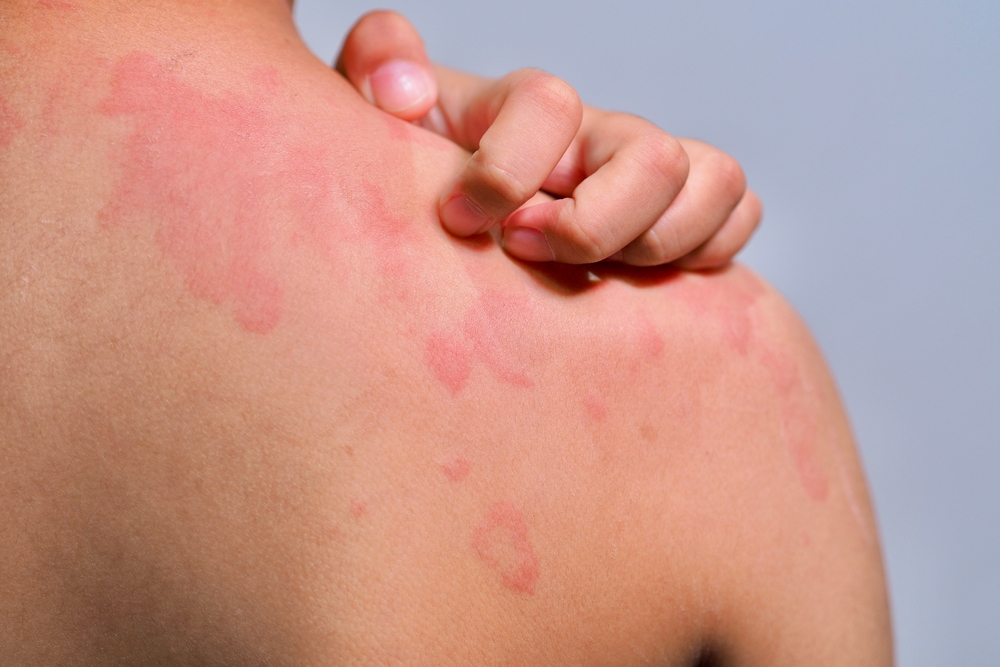
Common symptoms include redness, swelling, itching, pain, warmth, scaling, blisters, crusting, or pus. Treatment depends on the type and severity of infection and may include topical or oral medications.
A dermatologist can examine the affected area and perform tests when necessary to identify the cause and recommend the appropriate treatment.
Most Common Skin Infections
Some of the most common skin infections include:
- Fungal infections: Ringworm (tinea), athlete’s foot, jock itch, and candidiasis.
- Bacterial infections: Impetigo, cellulitis, folliculitis, and bacterial abscesses.
- Viral infections: Warts, herpes simplex, and shingles.
- Parasitic infections: Scabies and certain mite or lice infestations.
Symptoms can overlap between different infections, so an accurate diagnosis is important before starting treatment.
Diagnosis of Skin Infections
Diagnosing a skin infection starts with a clinical examination by a dermatologist. The doctor assesses the appearance, location, symptoms, duration, and progression of the affected skin.
Depending on the suspected cause, diagnosis may include:
- Physical skin examination to identify characteristic signs.
- Skin scraping or fungal testing when a fungal infection is suspected.
- Swab or culture to identify certain bacterial infections.
- Blood tests when a systemic infection or underlying condition is suspected.
- Skin biopsy in selected cases when the diagnosis is unclear or another skin condition needs to be ruled out.
Accurate diagnosis is important because fungal, bacterial, viral, and parasitic infections require different treatments.
Causes of Skin Infections
Skin infections can develop when harmful microorganisms enter or multiply in the skin. Common causes include:
- Bacteria: Often enter through cuts, wounds, insect bites, or damaged skin.
- Fungi: Thrive in warm, moist environments and can spread through direct contact or shared personal items.
- Viruses: Some viruses can enter through broken skin or spread through close skin-to-skin contact.
- Parasites: Organisms such as mites or lice can infest the skin and cause infection or irritation.
- Poor skin hygiene: Can increase the buildup and spread of microorganisms.
- Weakened immune system: May make it harder for the body to fight infections.
- Skin injuries: Cuts, burns, eczema, and other breaks in the skin can provide an entry point for microorganisms.
- Close contact: Sharing towels, clothing, razors, or personal items can contribute to the spread of certain infections.
Skin Infection Treatment Procedures
Treatment for skin infections depends on the type of infection, its severity, and the affected area. Common treatment procedures include:
- Dermatological assessment: A dermatologist examines the skin and identifies the likely cause of the infection.
- Diagnostic testing: Skin swabs, scrapings, cultures, or other tests may be performed when necessary.
- Topical treatment: Medicated creams, ointments, or lotions may be prescribed for localized infections.
- Oral medication: Antibiotics, antifungals, antivirals, or antiparasitic medicines may be prescribed when appropriate.
- Wound care: Abscesses or infected wounds may require professional cleaning, drainage, or dressing.
- Follow-up: The response to treatment is monitored, with treatment adjusted if the infection does not improve or recurs.
Do not use antibiotics or antifungal medicines without an appropriate diagnosis, as different types of skin infections require different treatments.
Why Choose Novomed Riyadh for Skin Infection Treatment?
- Experienced dermatologists: Novomed’s Riyadh dermatology team provides assessment and treatment for a wide range of skin conditions, including fungal and other skin infections.
- Accurate diagnosis: Doctors assess the skin clinically and may use samples or diagnostic tests when needed to identify the type of infection.
- Personalized treatment: Treatment is selected according to whether the infection is fungal, bacterial, viral, or parasitic and according to its severity.
- Comprehensive follow-up: Novomed emphasizes individualized treatment plans and follow-up to monitor recovery and make adjustments when needed.
- Modern dermatology facilities: The Riyadh clinic combines specialist dermatology care with modern diagnostic and treatment technologies.
Book a Skin Infection Consultation in Riyadh
If you have symptoms of a skin infection, Novomed Riyadh provides dermatological assessment and treatment for fungal, bacterial, viral, and parasitic infections.
You can book a consultation with a dermatologist for an examination and, when necessary, diagnostic testing and a personalized treatment plan.