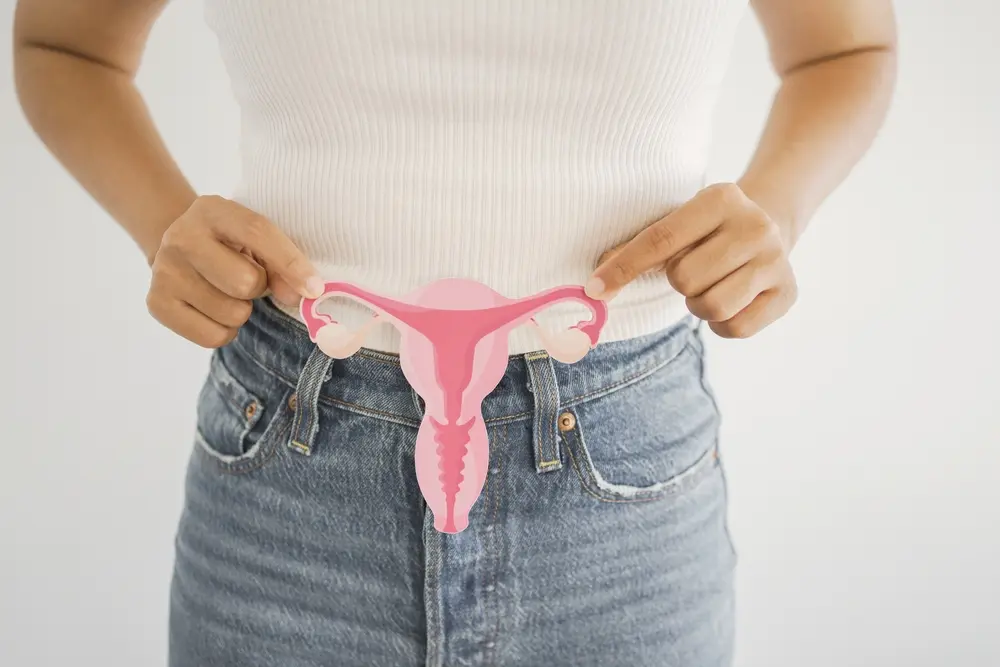
 PCOS affects 1 in 5 women of reproductive age, yet many spend months or years visiting multiple specialists before receiving a clear diagnosis. If you’ve experienced irregular periods, unexplained acne, unwanted hair growth, or weight concerns, you may have wondered whether PCOS is the cause. The challenge is that PCOS doesn’t announce itself with a single, definitive test—instead, diagnosis relies on a three-part clinical picture that many women and even some healthcare providers don’t fully understand. Learning how the diagnostic process actually works can help you advocate for the right investigations and feel confident about your treatment plan.
What Is PCOS and Why Early Diagnosis Matters

PCOS, or polycystic ovary syndrome, is a hormonal condition in which your ovaries produce excess androgen (male hormones). This hormonal imbalance disrupts your menstrual cycle, leading to irregular or absent periods, and affects how your ovaries develop and release eggs. Many women also experience insulin resistance—a metabolic issue where your cells don’t respond properly to insulin—which compounds weight gain, energy dips, and fertility challenges. For specialist care options, see Endocrinology.
PCOS symptoms and metabolic risks respond well to coordinated management. Early diagnosis enables timely intervention and reduces the risk of preventable complications. Women diagnosed years after symptoms begin often face unnecessary complications, preventable fertility delays, and missed opportunities to manage metabolic risks like type 2 diabetes. In the UAE, where healthcare access is excellent but care can be siloed across different specialties, many women see a dermatologist for acne, a gynecologist for period problems, and an endocrinologist for metabolic concerns—without anyone connecting the dots to PCOS. A clear, coordinated diagnostic pathway changes that.
Understanding the Rotterdam Criteria: The Three-Part Diagnostic Picture
PCOS diagnosis relies on the Rotterdam criteria, which require at least 2 of the following 3 findings:
- Irregular or absent ovulation (shown by irregular, infrequent, or absent periods, often with anovulation confirmed by progesterone testing or ultrasound)
- Clinical or biochemical hyperandrogenism (excess male hormones, visible as acne, unwanted facial or body hair, or elevated testosterone and related markers on blood tests)
- Polycystic ovarian morphology (multiple small fluid-filled sacs visible on pelvic ultrasound, typically 12 or more follicles per ovary)
Important: Other conditions must be ruled out before confirming PCOS diagnosis. Your doctor must exclude thyroid dysfunction, Cushing syndrome, high prolactin levels, or androgen-secreting tumors. This is why a comprehensive workup, not just an ultrasound or one hormone test, is essential.
Understanding this framework helps you recognize whether you’ve received a complete evaluation. If your assessment included only an ultrasound, or only one blood test, this is an opportunity to discuss your assessment with your specialist and ensure all three diagnostic domains have been evaluated.
Key Tests Your Doctor Will Order and What They Measure
When investigating for PCOS, hormonal testing takes place in the follicular phase (days 3–5 of your cycle) for accuracy. If you have absent periods, testing can happen any time, but the timing should be documented. Here’s what each marker tells your doctor:
Testosterone and DHEA-S measure the degree of androgen excess. Elevated levels confirm hyperandrogenism and help distinguish PCOS from other conditions.
LH (luteinizing hormone) and FSH (follicle-stimulating hormone) regulate your cycle. In PCOS, the LH-to-FSH ratio is often elevated, reflecting disrupted ovulation signals. This finding, combined with irregular periods, points strongly toward PCOS.
Fasting glucose and insulin assess metabolic health. Many women with PCOS have insulin resistance even at a normal body weight, increasing diabetes risk. Understanding your metabolic status shapes lifestyle and medication choices.
Lipid panel (cholesterol and triglycerides) screens for cardiovascular risk, common in PCOS due to insulin resistance and chronic inflammation.
Thyroid function (TSH, free T4) rules out thyroid disease, which can mimic PCOS symptoms.
Pelvic ultrasound visualizes ovarian structure and rules out cysts or tumors. A polycystic appearance alone doesn’t confirm PCOS—20–30% of women without PCOS can have this appearance—but combined with hormonal findings and symptoms, it completes the diagnostic picture and reduces false-positive diagnosis.
This comprehensive approach takes time and coordination, but it ensures your diagnosis is accurate and your treatment plan addresses your specific hormonal and metabolic profile.
Beyond Diagnosis: Personalizing Your Treatment Plan
Once PCOS is confirmed, treatment is never one-size-fits-all. Your priorities, whether managing acne, regulating periods, achieving pregnancy, or preventing metabolic disease, shape your path forward.
Lifestyle is always the foundation. Moderate exercise, a balanced diet rich in fiber and lean protein, stress management, and quality sleep directly reduce insulin resistance, improve ovulation, and lower androgen levels. For many women, lifestyle changes alone can regulate periods and reduce acne within 3–6 months.
Medications address specific concerns. Hormonal contraceptives regulate periods and reduce androgen-driven symptoms like acne and excess hair. Metformin, an insulin-sensitizing medication, improves metabolic health and can improve fertility. For women trying to conceive, letrozole and clomiphene are first-line ovulation-induction medications; emerging evidence suggests letrozole may offer improved outcomes in some women with PCOS.
Dermatological care may be needed for stubborn acne or hirsutism (excess hair). Dermatological specialists can coordinate with your endocrinologist to ensure topical and systemic treatments complement your hormonal management.
Medication, Lifestyle, and Fertility Considerations
If fertility is your goal, PCOS is highly treatable; many women respond well to ovulation-induction medications or lifestyle improvement, though individual outcomes vary. Once periods regulate and insulin resistance improves, many women conceive naturally; others benefit from ovulation-induction medications or assisted reproduction. Your specialist will tailor recommendations to your situation.
Pregnancy outcomes in PCOS require careful monitoring due to metabolic and cardiovascular risks that can affect both mother and baby. Specialist prenatal care ensures these are proactively managed. Establishing lifestyle foundations and optimizing hormonal stability before conception supports improved fertility outcomes and pregnancy safety.
What to Expect During Your Specialist Consultation
A thorough PCOS consultation should include a detailed symptom history, metabolic assessment, hormonal testing, and pelvic ultrasound. Your specialist should explain your results in plain language, clarify which Rotterdam criteria you meet, and discuss how your individual PCOS phenotype, whether you’re hyperandrogenic or normoandrogenic, ovulatory or anovulatory, influences your treatment priorities.
Understanding your diagnosis empowers you to partner with your healthcare team confidently, ask the right questions, and feel assured that your treatment addresses not just today’s symptoms, but your long-term health and life goals.
Request Your Appointment
Get personalized PCOS diagnosis and evidence-based treatment planning from our specialist team.
This article is for informational purposes only and does not constitute medical advice. Please consult a qualified healthcare professional for personalised guidance tailored to your individual needs.