Novomed offers a range of pigmentation treatments in Abu Dhabi and Al Ain to address various skin concerns, including melasma, sunspots, dark spots, and uneven skin tone. Treatment options are selected according to your skin type, pigmentation concerns, and medical assessment, with personalized care from experienced dermatology specialists.
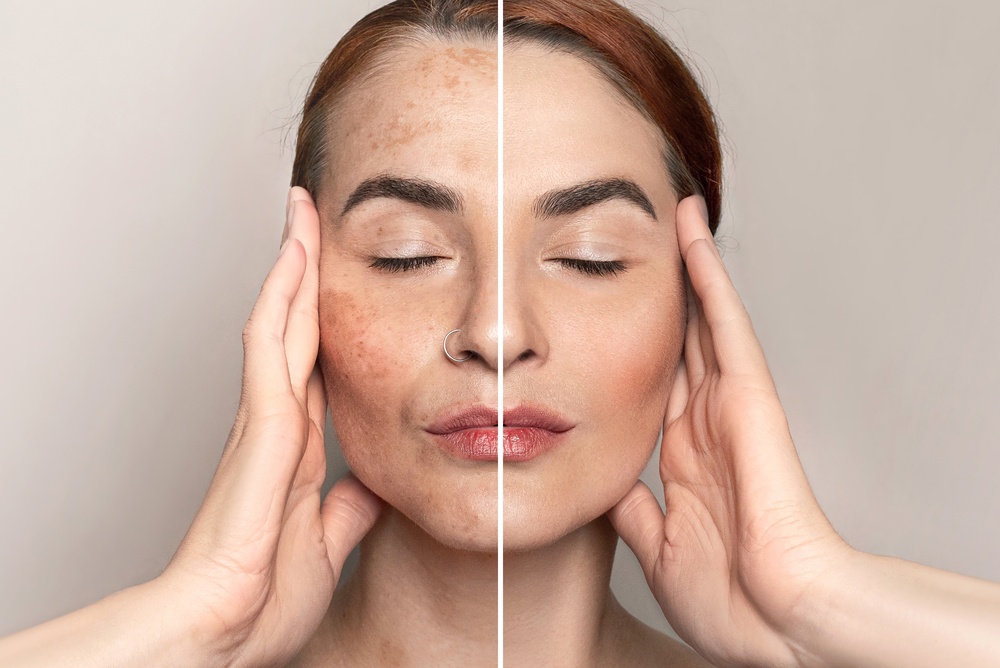
Pigmentation refers to the colouring of the skin, which is determined by a natural pigment called melanin. When the skin produces too much melanin or distributes it unevenly, darker patches or spots may appear. This is known as hyperpigmentation.
Common types of skin pigmentation include:
1. Melasma
Brown or grey-brown patches, commonly appearing on the cheeks, forehead, upper lip, and chin.
2. Sunspots
Dark spots caused by prolonged exposure to ultraviolet (UV) radiation.
3. Post-inflammatory hyperpigmentation (PIH)
Dark marks that develop after acne, inflammation, skin irritation, or injury.
4. Freckles
Small, flat brown spots that are often influenced by genetics and sun exposure.
What causes skin pigmentation?
- Sun exposure and UV radiation.
- Hormonal changes.
- Acne and skin inflammation.
- Genetics and skin type.
- Certain medications and skin conditions.
How is pigmentation treated?
Depending on the type and severity, dermatologists may recommend:
- Chemical peels.
- Laser treatments.
- IPL (Intense Pulsed Light).
- Prescription topical creams.
- Medical-grade skincare and sun protection.
Process of Pigmentation Treatment
Pigmentation treatment at Novomed starts with a dermatological assessment to identify the type and underlying cause of pigmentation. A personalized treatment plan is then recommended based on the patient’s skin type, condition, and treatment goals.
| Step | Treatment process | Description |
|---|---|---|
| 1. Skin Assessment | Dermatological consultation | The dermatologist examines the skin, identifies the type of pigmentation, and evaluates its severity and possible causes. |
| 2. Treatment Planning | Personalized treatment plan | Suitable treatment options are selected according to skin type, pigmentation depth, and medical assessment. |
| 3. Skin Preparation | Pre-treatment care | The skin may be prepared using recommended skincare products and sun protection, depending on the procedure. |
| 4. Treatment Session | Pigmentation treatment | The selected procedure, such as chemical peels, laser treatment, or IPL, is performed when clinically appropriate. |
| 5. Aftercare | Skin recovery and protection | Patients receive aftercare instructions, including sun protection and skincare recommendations. |
| 6. Follow-up | Progress evaluation | The dermatologist monitors skin response and determines whether additional sessions or adjustments are needed. |
Important: The number of sessions and expected results vary depending on the type of pigmentation, skin condition, and treatment selected. Some pigmentation concerns may require ongoing management, particularly melasma.
Benefits of Pigmentation Treatment
- More Even Skin Tone: Helps reduce uneven skin colouring and visible dark patches.
- Reduced Dark Spots: Targets the appearance of sunspots, age spots, and other forms of hyperpigmentation.
- Improved Skin Clarity: Helps achieve a clearer and more balanced-looking complexion.
- Reduced Acne Marks: Certain treatments help improve post-inflammatory hyperpigmentation caused by acne.
- Improved Skin Texture: Some procedures, such as chemical peels and fractional laser treatments, may also improve skin texture.
- Personalized Skin Care: Treatment plans are tailored to individual skin types and pigmentation concerns.
Expected Results
- After the First Session: Some patients may notice improved skin brightness or gradual fading of superficial pigmentation.
- After Multiple Sessions: Dark spots and uneven skin tone may become less noticeable, depending on the treatment and individual response.
- Improved Complexion: Skin may appear clearer, brighter, and more even-toned over time.
- Long-Term Skin Maintenance: Appropriate skincare, sun protection, and follow-up treatments may help maintain results.
- Melasma Management: Melasma may require ongoing treatment and maintenance, as pigmentation can recur.
Side Effects & Risks
Pigmentation treatments are generally well tolerated when performed by qualified dermatology professionals. However, temporary side effects may occur depending on the treatment method, skin type, and individual response.
Common side effects may include:
- Redness: Temporary redness or irritation in the treated area.
- Skin Sensitivity: Increased sensitivity, particularly after laser treatments or chemical peels.
- Mild Swelling: Slight swelling around the treated area.
- Dryness and Peeling: Temporary dryness, flaking, or peeling as the skin recovers.
- Temporary Darkening: Pigmented areas may initially appear darker before gradually fading, depending on the procedure.
- Skin Discomfort: Mild itching, tingling, or a warm sensation following treatment.
- Post-Inflammatory Hyperpigmentation (PIH): Some patients, particularly those with darker skin tones, may develop additional pigmentation after treatment.
- Rare Skin Changes: Blistering, burns, infection, or scarring may occur, particularly if treatment is unsuitable or complications develop.
Important: Side effects vary according to the procedure used. Following the dermatologist’s aftercare instructions and protecting the skin from sun exposure can help reduce the risk of complications. Seek medical advice if you experience severe pain, blistering, worsening swelling, or signs of infection.
How Long Do Pigmentation Treatment Results Last?
The results of pigmentation treatment vary depending on the type of pigmentation, treatment method, skin type, and sun exposure.
- Sunspots: Results may last for several years after successful treatment, although new spots can develop with continued sun exposure.
- Melasma: Results may last for months or longer with proper maintenance, but melasma can recur due to hormonal changes and sun exposure.
- Post-Inflammatory Hyperpigmentation (PIH): Dark marks may gradually fade over several months, depending on their depth and the underlying cause.
- Freckles: Treated freckles may fade, but new freckles can appear with sun exposure.
- Maintenance: Regular sunscreen use, appropriate skincare, and follow-up treatments when recommended can help maintain results.
Important: Pigmentation treatment does not guarantee permanent removal. Results differ between individuals, and ongoing skincare and sun protection are essential to help prevent recurrence.
Cost of Pigmentation Treatment in Abu Dhabi
The cost of pigmentation treatment in Abu Dhabi depends on the type of pigmentation, treatment method, severity of the condition, and number of sessions required.
| Treatment type | Estimated cost (AED) |
|---|---|
| Chemical Peels | 490–1,000 |
| Laser Pigmentation Treatment | 700–1,100 |
| Q-Switched Laser | 500–1,500 |
| Fractional Laser Resurfacing | 1,500–3,500 |
| Microneedling | 750–1,100 |
| Melasma Treatment | 600–1,100 |
Why Novomed for Pigmentation Treatment
At Novomed, pigmentation treatment in Abu Dhabi and Al Ain begins with a professional dermatological assessment to identify the type and underlying cause of skin discolouration. Our dermatology specialists recommend suitable treatment options based on individual skin concerns, helping patients work towards a more even skin tone and healthier-looking complexion.
Book your Appointment at Novomed
Book a dermatology consultation at Novomed MBZ City, Al Bateen, or Al Ain to discuss your pigmentation concerns and available treatment options.
1. Novomed – Al Bateen, Abu Dhabi
312 King Abdullah Bin Abdulaziz Al Saud Street, Al Bateen, W33
2. Novomed – MBZ City, Abu Dhabi
637 Al Manhal Street, Mohammed Bin Zayed City, Zone 19 (Z19)
3. Novomed – Al Ain
Building 47, Towayya Al Ragayeb, Mohammed Ibn Zayed Al Awwal Street
For appointments and confirmation of dermatologist availability, contact Novomed at 800 6686