
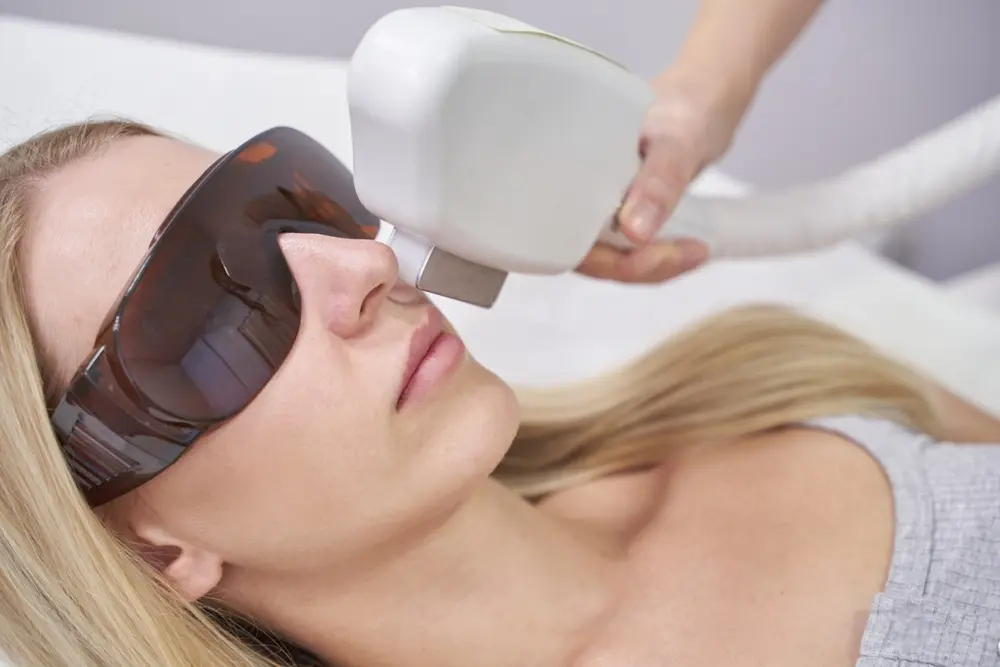
Dubai’s year-round warm climate and cultural attitudes toward hair removal make laser hair removal in Dubai one of the most sought-after aesthetic treatments in the UAE. If you’re researching the procedure for the first time—or considering switching clinics—you’ve likely encountered wildly different price quotes and vague promises about session counts. The reality is straightforward: laser hair removal success depends on understanding realistic timelines, choosing the right technology for your skin type, and committing to proper aftercare between sessions.
This guide breaks down what you actually need to know before booking: real costs per session and total investment, why you’ll need multiple sessions, how your skin type affects results, and what happens after each treatment. By the end, you’ll have a clear picture of the timeline, expense, and effort involved—so you can make a confident decision.
How Laser Hair Removal Works (and Why It Takes Multiple Sessions)
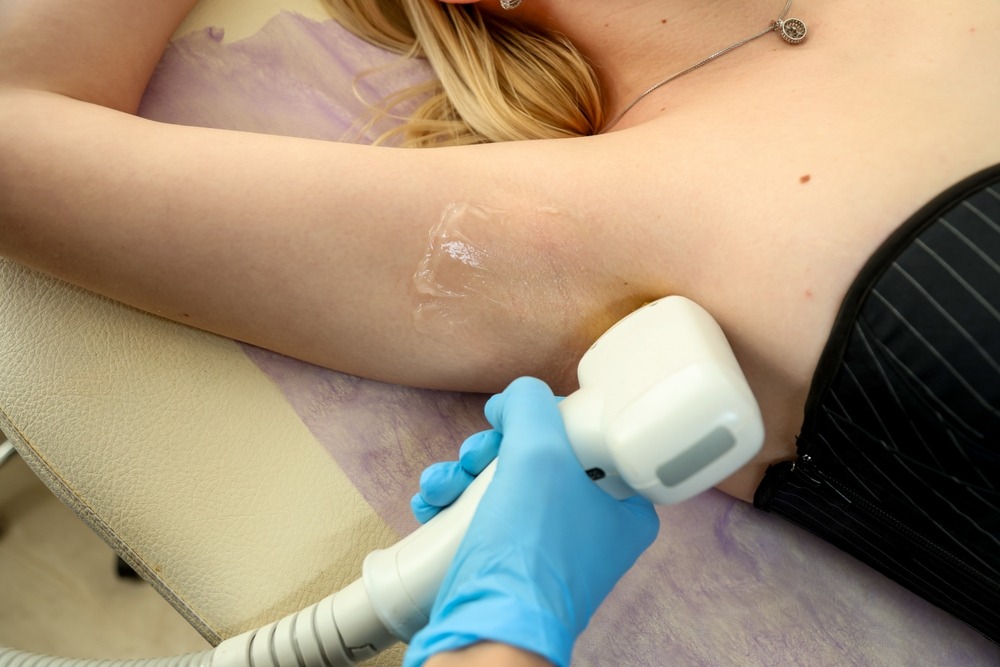
Laser hair removal works by delivering concentrated light energy that’s absorbed by melanin in the hair shaft, converting it to heat that damages the follicle and reduces future growth. The key word here is reduces—this is a hair reduction treatment, not guaranteed permanent removal. Most patients experience 70–90% hair reduction after a complete course. Some regrowth occurs over time, and many patients choose 1–2 maintenance sessions annually to sustain their results, rather than expecting permanent hair-free status indefinitely.
The reason you need multiple sessions comes down to the hair growth cycle. At any given moment, your hair is in one of three phases: active growth (anagen), transition (catagen), or resting (telogen). Laser treatment is only effective during the active growth phase, when the hair is full of melanin and connected to the follicle. Because not all your hair is in the active phase simultaneously—they’re staggered across weeks and months—you need multiple sessions spaced 4–8 weeks apart to catch all hairs as they cycle through growth phases.
This is why realistic session planning matters. A clinic that promises results in just 2–3 sessions is either misleading you or using technology that won’t deliver lasting results.
Laser Hair Removal Cost Breakdown in Dubai: Per Session & Total Investment
Laser hair removal in Dubai typically costs AED 150–600 per session, depending on area size and clinic, with total treatment courses ranging from AED 3,200–4,000 for larger areas requiring 8–10 sessions.
In Dubai, laser hair removal pricing varies significantly based on three factors: clinic reputation and technology, treatment area size, and whether you’re buying individual sessions or a package.
Per-session costs typically range from AED 150–600, depending on area and clinic:
- Small areas (upper lip, chin, underarms): AED 150–250 per session
- Medium areas (bikini line, full underarms, half-legs): AED 300–400 per session
- Large areas (full legs, full back, full body): AED 500–600 per session
These ranges reflect standard clinic rates. Premium clinics with advanced technology or in high-demand locations may charge higher; however, this doesn’t necessarily translate to better results—technology quality and dermatologist expertise matter more than price.
Most clinics offer package discounts when you commit to 4–8 sessions upfront, which can reduce the per-session cost by 15–25%. However, this requires you to pay thousands of dirhams before your first appointment—a real consideration if you’re uncertain about the clinic or your commitment.
Total cost of ownership is where the real number matters. If you’re treating full legs at AED 400 per session and need 8–10 sessions, you’re looking at AED 3,200–4,000 by the time you’re done. Add maintenance sessions (many patients need 1–2 annual touch-ups to sustain results), and the true investment becomes clear. A consultation with a qualified dermatologist should include a personalized cost estimate based on your hair type, skin tone, and the specific area you want treated—not just a generic price list.
Session Frequency & Timeline: What to Realistically Expect

Most people need 6–12 sessions spaced 4–8 weeks apart to achieve significant hair reduction, with the full timeline typically lasting 48–96 weeks depending on hair characteristics and spacing. The exact number depends on:
- Hair thickness and color: Dark, coarse hair absorbs laser energy more efficiently, so you may need fewer sessions. Light, fine, or grey hair responds more slowly and may require additional treatments.
- Skin tone: Your dermatologist will select the laser technology best suited to your skin type to ensure safety and efficacy.
- Hair growth cycle: Faster-cycling hair may need sessions at the shorter end (4 weeks); slower growth cycles tolerate longer gaps (8 weeks).
Timeline in practice: If you space sessions 6 weeks apart and need 8 sessions, you’re looking at a 48-week (roughly 1-year) commitment. Many Dubai residents choose to start treatment in winter or early spring to align the full course with summer months, though this requires committing to the full 6–12 session timeline and aftercare discipline.
Plan to see initial subtle results after session 2–3, with increasingly visible hair reduction as you progress through more sessions. Results compound over the full course; dramatic changes are not typical after the first few sessions.
Skin Type Matters: Which Lasers Work Best for Your Skin
This is where many generic clinic pages fall short. Not all laser technologies work safely and effectively on all skin types.
Diode and alexandrite lasers suit fair to medium skin, while Nd:YAG lasers are specifically designed for darker skin tones to reduce burn and pigmentation risks. For fair to medium skin, diode and alexandrite lasers work well with minimal risk. For darker skin tones, Nd:YAG lasers are specifically designed to reduce the risk of burns and unwanted pigmentation changes. A qualified dermatologist will assess your skin tone and select the appropriate laser technology during your initial consultation—do not rely on generic clinic recommendations or online research to determine which laser is right for you.
Light, fine, or grey hair responds poorly to all laser types because these hairs contain less melanin to absorb the laser energy. If you have blonde, red, white, or fine light hair, discuss realistic expectations and alternative hair removal options (such as electrolysis) with your dermatologist before committing to multiple laser sessions, as results may be minimal.
Recent sun exposure or tanning is a major contraindication. If you’ve been out in the sun within 2 weeks before treatment, postpone your appointment. Tanned or sun-exposed skin has higher melanin throughout the epidermis, which increases burn risk. The same applies after treatment: you need broad-spectrum SPF 30+ for at least 2 weeks post-session and ideally longer.
Aftercare Essentials: Maximizing Results Between Sessions
Proper aftercare after laser hair removal includes daily SPF 30+ sunscreen for 2 weeks, avoiding sun exposure and heat, and skipping exfoliation, waxing, and plucking of the treated area. What you do after each laser session directly affects your final results. Skipping proper aftercare is one of the biggest reasons patients see disappointing outcomes.
For 2 weeks after each session:
- Apply broad-spectrum SPF 30+ daily, even indoors
- Avoid direct sun exposure and swimming pools
- Avoid very hot showers and intense heat exposure (saunas, steam rooms) for at least 48 hours, as heat can irritate treated skin
- Avoid strenuous exercise and sweating for 24–48 hours post-session
- Do not exfoliate, wax, or pluck the treated area
- Use fragrance-free moisturizer if your skin feels tight or dry
Important medication disclosure: Disclose any medications or supplements to your dermatologist before your first session, especially acne treatments (isotretinoin/Accutane) or photosensitizing antibiotics, as these can increase adverse reaction risk.
Expect temporary side effects: redness, mild swelling, and a slight darkening or lightening of the treated area are normal and fade within days. These are not signs something went wrong; they’re part of the healing process.
Choosing the Right Clinic: Key Questions to Ask Before Booking
When evaluating any clinic, ask these questions to ensure you’re getting a Dermatology-led assessment and realistic treatment plan:
- What laser technology do you use, and why is it right for my skin type and hair color? A vague answer is a red flag.
- Can you provide a personalized estimate of total sessions and cost based on my specific hair and skin? Not a generic range—a real estimate tied to your assessment.
- Do you have dermatologists available for pre-treatment assessment, especially for skin type compatibility or previous adverse reactions? Dermatology input is particularly important for darker skin tones or complex cases.
- What are your cancellation and rescheduling policies? Life happens; you need flexibility for the 6–12 session timeline.
- What happens if I’m unhappy with results? Understand the clinic’s policy on touch-up sessions or refunds.
- Do you provide detailed aftercare instructions, and who do I contact if side effects persist? Good clinics have clear support channels.
During your consultation, expect your dermatologist to assess your hair density, growth cycle, skin tone, and any previous adverse reactions to determine your personalized session count and total cost estimate.
A clinic that takes time to assess your skin and hair before quoting a price is one that’s setting you up for realistic expectations and real results. Beware of clinics that rush you to pay for a package before a proper consultation.
Frequently Asked Questions
- 1- Is laser hair removal permanent?
- Laser hair removal is a hair reduction treatment, not permanent hair removal. Most patients achieve 70–90% reduction after a complete course. Some regrowth occurs over time, and many choose 1–2 maintenance sessions annually to sustain results.
- 2- Can I get laser hair removal if I have dark skin?
- Yes. Darker skin types require Nd:YAG lasers specifically designed to reduce burn and pigmentation risks. A qualified dermatologist will select the appropriate laser technology for your skin tone during consultation.
- 3- How long does each session take?
- Session length depends on the treatment area. Small areas like the underarms or upper lip typically take 15–20 minutes, while full-leg or full-back treatments may take 45–60 minutes.
- 4- Can I wax or pluck between laser sessions?
- No. Between sessions, shaving is safe, but waxing and plucking remove the entire hair (including the root) before the laser can treat it. This disrupts your treatment timeline. Stick to shaving until your full course is complete.
Request Your Appointment
Ready to discuss your laser hair removal options? Our dermatology specialists can assess your skin type, select the right technology, and provide a personalized treatment plan tailored to your goals.
This article is for informational purposes only and does not constitute medical advice. Please consult a qualified healthcare professional for personalised guidance tailored to your individual needs.