
Platelet-rich plasma (PRP) has moved from niche sports medicine into mainstream aesthetic and orthopedic clinics across the UAE, KSA—but how does drawing your own blood actually rejuvenate skin, restore hair, or ease joint pain? The answer lies in biology, not magic. When concentrated platelets are reintroduced to damaged tissue, they trigger your body’s natural repair cascade, activating collagen production, reducing inflammation, and stimulating cell proliferation in target tissues. The catch? Results vary dramatically based on what you’re treating, how skilled your clinician is, and whether your expectations align with the evidence. This guide explains the science, sets realistic timelines, and helps you decide if rich plasma therapy is right for you.
What Is PRP Therapy? The Science Behind the Treatment
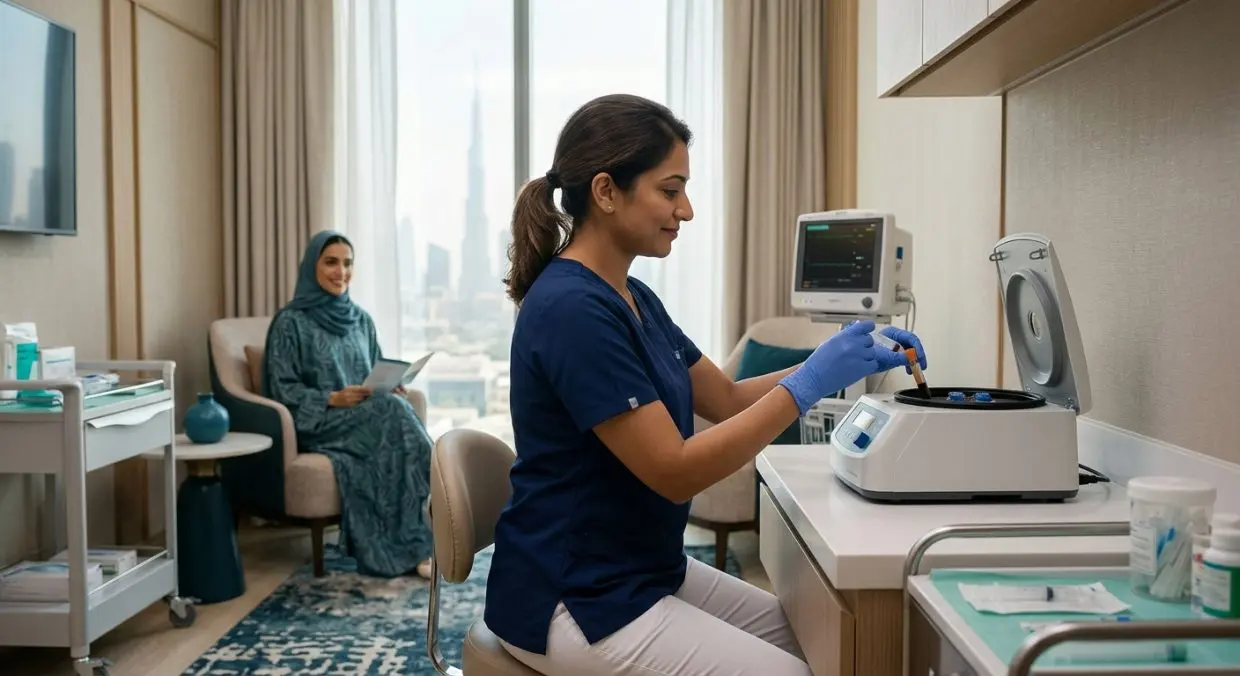
PRP therapy starts with a simple concept: your own blood contains powerful healing proteins. A clinician draws a small blood sample—typically 10-60 milliliters—and spins it in a centrifuge. This separates the blood into layers. The concentrated layer that rises to the top is rich in platelets and the growth factors they carry: proteins that signal your body to repair tissue, build collagen, and reduce inflammation.
Unlike synthetic fillers or pharmaceutical injections, PRP is entirely autologous—it comes from your own body. This means your immune system recognizes it as “self,” making the safety profile strong. However, it also means the quality of your PRP depends on your baseline health, your platelet count, and critically, the centrifugation protocol your clinic uses. Not all PRP is created equal.
How PRP Works: The Biological Mechanism of Platelet-Rich Plasma
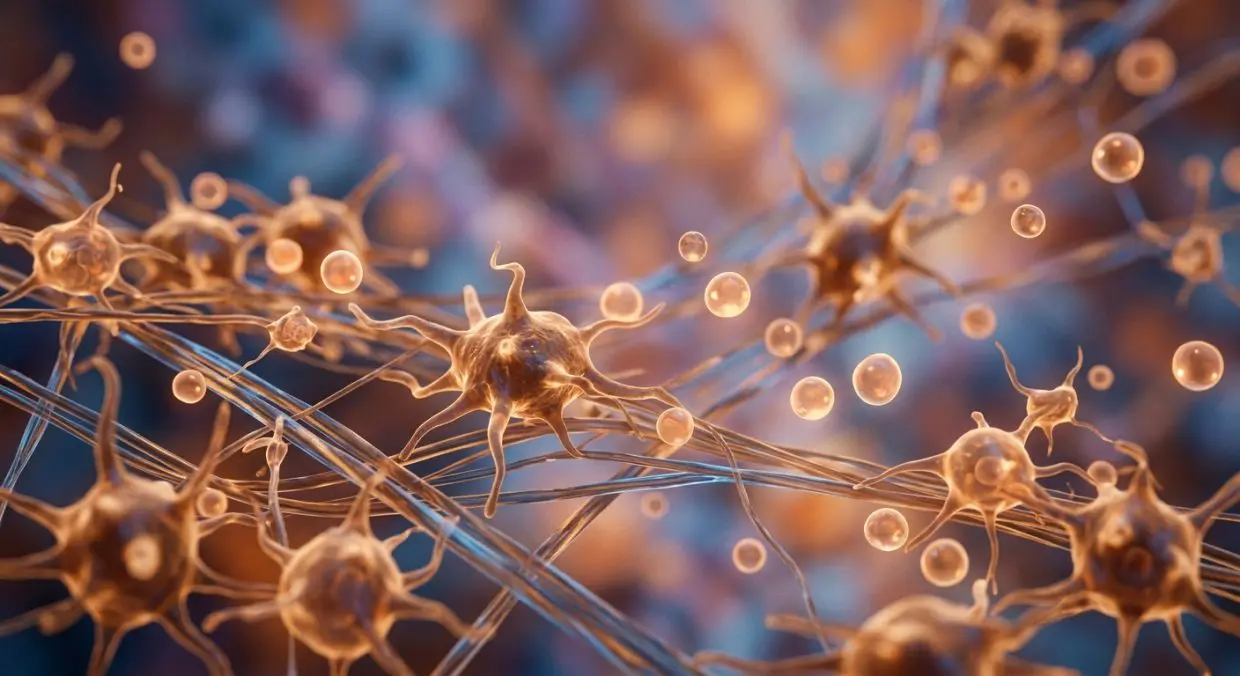
When concentrated PRP is injected into damaged or aging tissue, platelets release growth factors that initiate a repair cascade. Collagen-stimulating factors (like PDGF and VEGF) activate fibroblasts—the cells that manufacture collagen and elastin. Inflammatory cytokines are dampened, creating a healing-friendly environment. Cells in the target tissue receive signals to wake up and proliferate.
The timeline of this cascade matters. In joints, inflammation reduction and initial tissue repair can be noticeable within 2-4 weeks. In skin, collagen remodeling takes longer—typically 6-12 weeks for visible softening of fine lines and improvement in texture. For hair follicles, the process is even slower: 6 months minimum to assess new growth, with full assessment at 9-12 months.
Does PRP Therapy Actually Work? Evidence & Reality Check
This is the question that separates hype from reality. The honest answer: it depends on what you’re treating.
For joint inflammation and early osteoarthritis, the evidence is robust. Multiple randomized controlled trials and meta-analyses show that PRP injections reduce pain and improve function within weeks. Orthopedic societies increasingly endorse PRP for early-stage joint wear, particularly when conservative treatments have stalled. This is where the science is strongest.
For androgenetic alopecia (genetic hair loss), evidence is growing but still emerging. Small RCTs show promise—PRP activates dormant follicles and extends the growth phase—but studies have been limited in size, protocols vary, and long-term data remains sparse. If you have early-stage thinning and viable follicles still present, PRP may help. If you’ve had significant long-term hair loss, some follicles may be permanently atrophied. A dermatologist can assess which follicles retain growth potential and whether PRP is suitable for your case.
For facial skin rejuvenation, results are more nuanced. Studies using standardized scales (wrinkle severity, skin texture, homogeneity) do show clinically detectable improvements after single or multiple PRP injections. Individual response varies widely. Some patients experience meaningful softening of fine lines; others notice primarily improved skin radiance and texture. Results are most consistent when PRP is combined with hyaluronic acid or microneedling. Level 2b evidence indicates moderate-quality clinical studies showing benefit, though not the highest level of proof. This means combination therapy is supported by good research, but individual outcomes vary. Facial rejuvenation is where the mechanism is clear but the clinical evidence is moderate, not definitive.
The bottom line: PRP works best when expectations are realistic, when you’re treating tissue with healing potential, and when your clinician is skilled at patient selection and injection technique.
PRP for Skin Rejuvenation: Results, Timeline & What to Expect

If you’re considering PRP for aging skin, understand that results emerge gradually. After your first injection, collagen remodeling begins within days but isn’t visually obvious for 6-8 weeks. Most clinicians recommend 2-4 initial sessions spaced 4-6 weeks apart, followed by maintenance injections annually.
You’ll notice the most improvement in fine lines, skin texture, and radiance—not the structural tightening from surgical procedures. If structural tightening is your primary goal, discuss alternative options like surgical lift or thread procedures with a plastic surgery specialist during consultation. Combination with hyaluronic acid or microneedling enhances results significantly.
Downtime is minimal: mild redness and swelling for 24-48 hours. You can resume normal activities immediately, though sun protection is critical in the UAE’s intense climate.
PRP for Hair Restoration: Can It Regrow Hair Permanently?
PRP for hair loss activates follicles still capable of growth but suppressed by genetics or inflammation. Results are not permanent. Without ongoing maintenance injections every 6–12 months, dormant follicles may return to resting phase and benefits fade.
Most protocols involve 3-4 sessions over 3-4 months, followed by maintenance injections. Results typically appear after a minimum of 6 months and are most noticeable in early thinning. If you’ve had significant hair loss for years, PRP works best when combined with treatments like topical minoxidil or oral finasteride—both require consultation with your physician. Combining therapies addresses multiple mechanisms and works better than PRP alone.
PRP for Joint and Soft Tissue Repair: Recovery & Outcomes
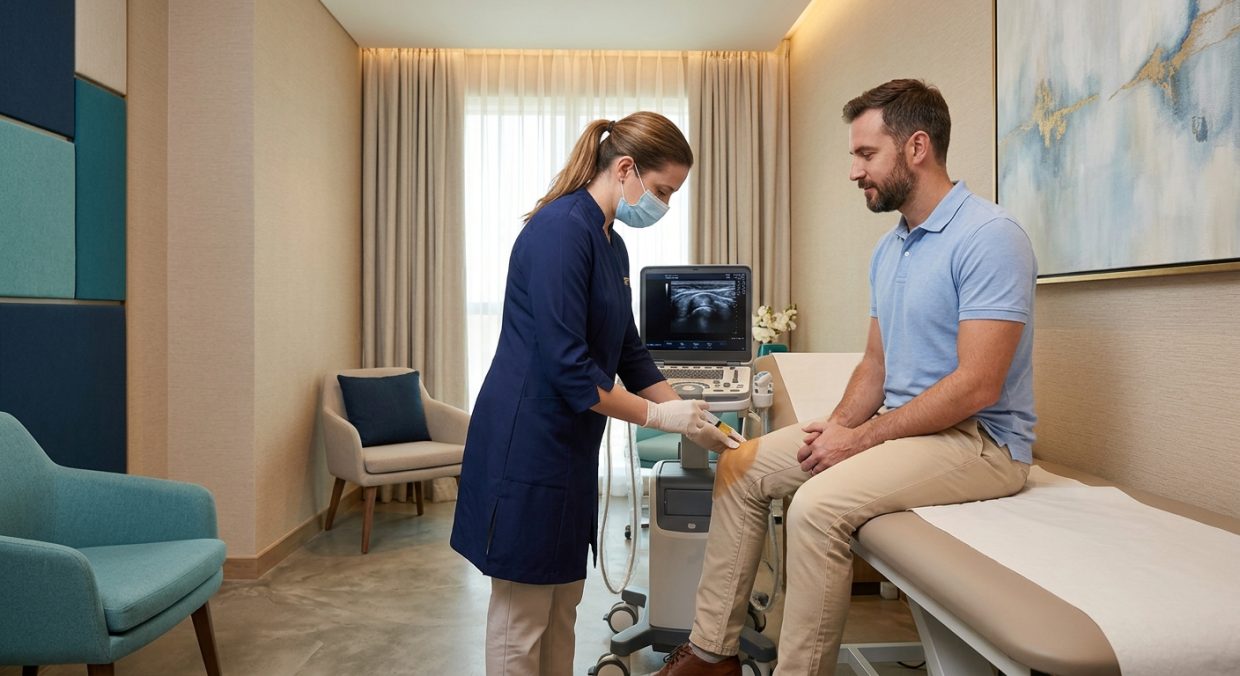
This is where PRP shines. For mild to moderate osteoarthritis, tendon inflammation, or ligament strain, PRP injections into the joint or soft tissue capsule reduce pain and restore mobility within 2-4 weeks. You may feel initial soreness for 24-48 hours post-injection (a flare reaction), but this settles quickly.
Most orthopedic protocols recommend 1-3 injections spaced 4-6 weeks apart. Recovery is straightforward: avoid heavy impact exercise for 48 hours, then gradually resume activity. Many patients avoid surgery or delay it significantly after successful PRP treatment.
Safety, Side Effects & Who Should Avoid PRP Therapy
PRP’s safety profile is strong because it’s autologous. However, certain conditions contraindicate treatment:
- Active infection or systemic illness at the time of injection
- Severe thrombocytopenia or platelet dysfunction (insufficient platelets limits PRP quality)
- Recent systemic corticosteroid or antibiotic use within 2 weeks may compromise platelet function; discuss timing with your prescribing physician before scheduling PRP
- Anticoagulation therapy (warfarin, DOACs) may need temporary adjustment; consult your prescribing physician
- Active malignancy or cancer treatment without oncologist clearance
- Pregnancy—PRP during pregnancy lacks robust safety data and is generally deferred until postpartum
- Uncontrolled diabetes or severe immunosuppression (impairs healing response)
- Unrealistic expectations or inability to commit to follow-up care
Common side effects are minimal: injection-site soreness, mild swelling, or bruising for 24-72 hours. Infection is rare when sterile technique is followed.
Realistic Timeline: When Will You See Results from PRP?
Expect:
- Joints: 2-4 weeks for noticeable pain reduction and improved mobility
- Skin: 6-8 weeks for subtle texture improvement; 6-12 weeks for visible softening of fine lines and wrinkles
- Hair: 6 months minimum to assess new growth; full assessment at 9–12 months
None of these results are permanent without ongoing maintenance. PRP effects fade over time as the body metabolizes the injected growth factors; most patients require maintenance injections annually or as-needed to sustain benefit.
PRP vs. Dermal Fillers: How These Treatments Differ
PRP and dermal fillers serve different purposes. Fillers add volume instantly; PRP stimulates your body’s own collagen production over weeks to months. Fillers suit deep structural lines and volume loss; PRP suits fine lines, texture, and overall skin quality. Many clinicians combine them for comprehensive results: fillers address immediate volume deficits while PRP works to build collagen long-term.
Cost, Sessions & Long-term Maintenance for PRP Treatment
PRP costs vary by location, clinic, and area treated. A single session typically ranges from AED 1,500 to AED 3,500 depending on the number of injections and preparation complexity. Most aesthetic protocols require 3-4 sessions initially (spaced 4-6 weeks apart), followed by annual maintenance.
Orthopedic PRP may require fewer initial sessions (1-3) but often needs follow-up injections after 6-12 months. Budget realistically: PRP is not a one-time procedure for most patients, and long-term results depend on commitment to maintenance.
Choosing Your Specialist: Finding the Right Clinician for PRP
PRP outcomes hinge on expertise. A dermatologist performing PRP for skin understands intradermal and subcutaneous placement, skin quality assessment, and which patients will respond. An orthopedic specialist performing joint PRP knows precise intra-articular needle positioning and imaging guidance. A plastic surgeon integrating PRP into comprehensive facial rejuvenation plans combines it with complementary therapies.
Ask about their centrifugation protocol, platelet concentration standards, experience with your specific concern (skin, hair, or joint), and willingness to perform baseline diagnostics and imaging to assess candidacy. Clinician expertise matters as much as the PRP itself.
FAQs
Q: Is PRP safe?
A: Yes. PRP is autologous (from your own blood), so your immune system recognizes it as safe. Side effects are minimal—mostly mild soreness, swelling, or bruising for 24-72 hours. Infection is rare with proper sterile technique. Avoid PRP if you have active infection, severe thrombocytopenia, pregnancy, uncontrolled diabetes, or are on anticoagulation therapy without physician consultation.
Q: How long do PRP results last?
A: Results are not permanent. Benefits typically last 6-12 months. Most patients require maintenance injections annually to sustain results. The body metabolizes the injected growth factors over time, so ongoing treatment preserves the gains.
Q: Can PRP regrow hair permanently?
A: No. PRP activates dormant follicles and extends their growth phase, but results fade without ongoing maintenance injections every 6-12 months. It works best for early-stage thinning when follicles still have growth capacity. Long-standing baldness with permanently atrophied follicles is less likely to respond.
Q: How is PRP different from dermal fillers?
A: Fillers add volume instantly by injecting gel-like substances; PRP stimulates your body’s own collagen production over weeks to months. Fillers suit deep lines and volume loss; PRP suits fine lines and overall skin quality. Many clinicians combine both for comprehensive results.
Q: What should I avoid before and after PRP?
A: Before: avoid NSAIDs (ibuprofen, naproxen) for 5-7 days as they can impair platelet function. Discuss any systemic corticosteroids or antibiotics with your clinician—timing matters. After: avoid strenuous exercise for 48 hours, protect the injection site from sun exposure, and avoid additional treatments in the same area for 24-48 hours.
Q: How long does it take to see results?
A: It depends on what you’re treating. Joints: 2-4 weeks. Skin: 6-8 weeks for subtle changes, 6-12 weeks for noticeable improvement. Hair: 6 months minimum to assess new growth; full results at 9-12 months.
Request Your Appointment
Ready to explore whether PRP is right for your skin, hair, or joint concern? Our dermatologists, orthopedic specialists, and plastic surgeons assess your candidacy through baseline diagnostics and honest conversation about realistic outcomes for your specific case.
This article is for informational purposes only and does not constitute medical advice. Please consult a qualified healthcare professional for personalised guidance tailored to your individual needs.