
Vaginismus is not a personal failing or simply a sign of a psychological problem, it’s a genuine reaction of the pelvic floor muscles that can be understood and effectively treated. If you experience pain during intercourse or difficulty with penetration, you’re not alone. It affects between 0.5% and 2.5% of women of reproductive age globally, while studies indicate that 5% to 17% of women experience painful intercourse in general (including conditions other than vaginismus), with a higher likelihood in societies with conservative cultural and religious backgrounds. This article explains the mechanisms of the condition, methods for accurate diagnosis, and multidisciplinary treatments that deliver real results.
What is Vaginismus: Definition and Physiological Mechanisms
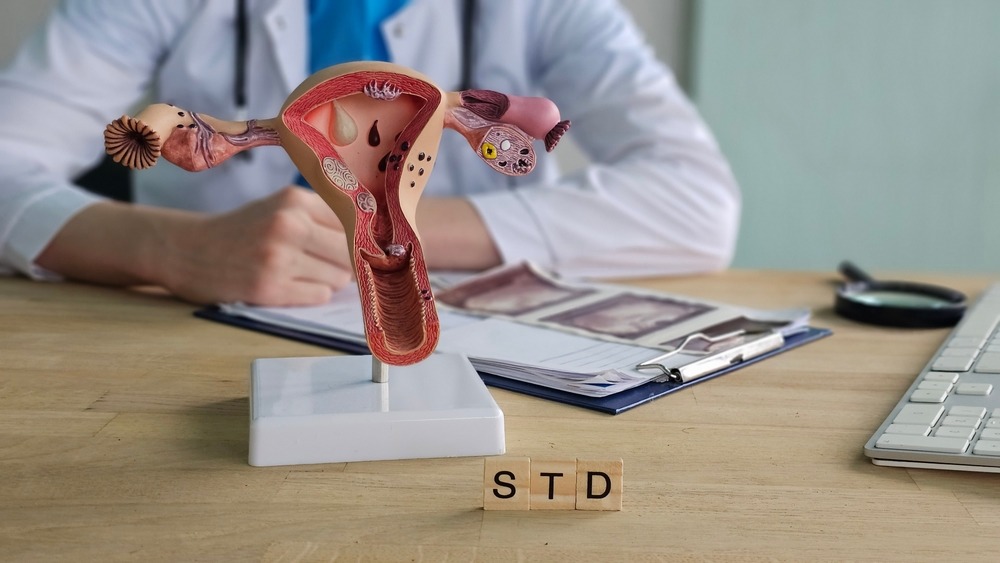
Vaginismus is an involuntary and sustained contraction of the pelvic floor muscles, especially the external sphincter and surrounding muscles, that occurs during attempted penetration. This contraction causes pain, discomfort, or even a complete blockage of penetration. It’s similar to the body’s protective reaction to a perceived threat, even if there is no actual danger.
This is not simply a psychological problem. The International Society for the Study of Women’s Sexual Health (ISSVD) confirms that vaginismus is a medically recognized condition that combines physiological and emotional factors. The muscles respond to anxiety and fear with involuntary contractions, creating a self-reinforcing cycle: fear → contraction → pain → more fear.
The Difference Between Vaginismus and Other Pain During Intercourse
It is important to distinguish vaginismus from other conditions that may cause pain during intercourse:
- Dysporia (Hypocopagia): Localized pain without obvious muscle contraction; it may be caused by dryness or inflammation.
- Superficial pain (vulvodynia): Pain in the vulvar area in general, not limited to penetration.
- Vaginismus: Muscle spasms that specifically prevent or hinder penetration.
- Accurate diagnosis is essential, as each case requires a different approach.
Physical, Psychological, and Emotional Causes
Psychological and emotional causes are the most common:
- Past sexual trauma or abuse: Affects trust and a sense of security.
- Performance anxiety: Fear of not being able to enjoy or satisfy a partner.
- Low self-esteem or body image: Doubts about attractiveness or sexual ability.
- Emotional stress: Relationship problems, tension, or depression.
It should be emphasized that these causes are not indicative of a lack of libido or relationship failure, but rather a genuine physiological response that can be treated.
Medical causes that may contribute:
- Vaginitis or recurrent infections.
- Vaginal dryness (especially after menopause).
- Scars or incisions from previous surgery.
- Hormonal imbalance.
The causes are often a combination of both factors, not just one. How is vaginismus diagnosed? Medical history and physical examination
Diagnosis begins with an open and safe conversation with a specialist:
Detailed medical history
The doctor will ask about the onset of the pain, whether it has been present from the beginning or is a sudden onset, the level of pain, and whether it occurs with all types of penetration or only some. Sexual history, previous relationships, and stressful events will also be inquired about.
Physical examination
A gynecologist will perform a careful and gradual examination. This may begin with an external examination of the vulva, followed by a slow attempt to insert a finger to assess the level of muscle contraction. The specialist will evaluate the degree of contraction on a three scale:
- Severe contractions (mild): A finger can be inserted relatively easily.
- Moderate contractions (severe): Significant resistance, but it can be carefully overcome.
- Severe contractions (severe contractions that completely prevent penetration): The examination cannot be completed.
- This assessment helps determine the most appropriate treatment plan.
Additional Testing
Medical exclusion tests, such as cultures or hormone tests, may be ordered if an infection or imbalance is suspected.
Treatment Options: Physical therapy, behavioral therapy, and psychological support.
There is no one-size-fits-all treatment, but effective treatment is always multifaceted:
Pelvic Floor Physical Therapy
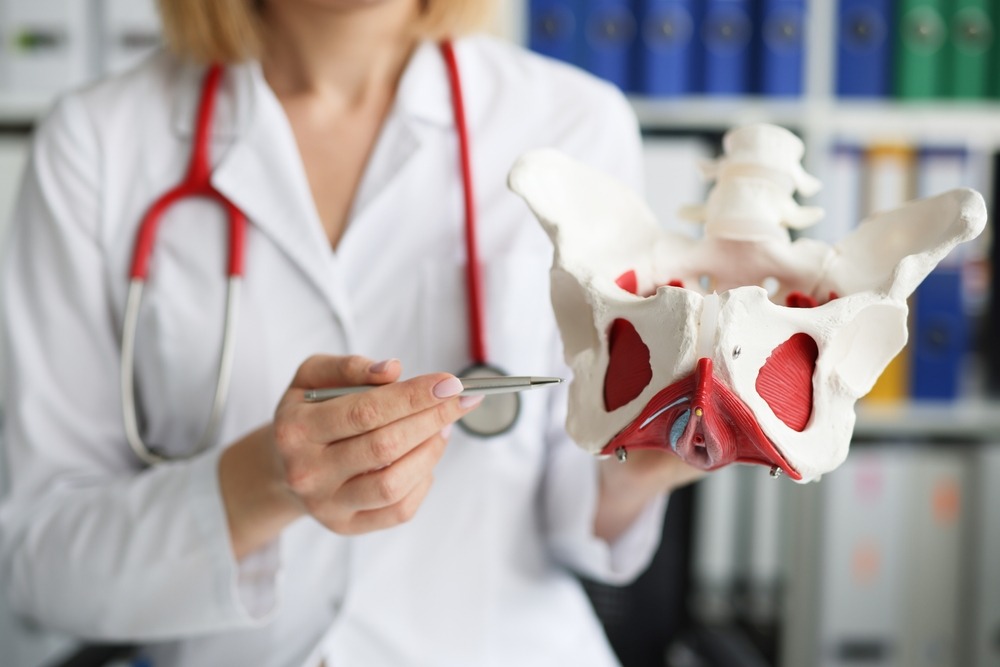
This focuses on re-educating the muscles and reducing tension. It includes exercises that emphasize relaxation and stretching rather than traditional contraction, and progressive relaxation training. Traditional Kegel exercises (contractions) should be avoided without professional supervision, as they can worsen contractions and exacerbate the condition. This approach requires careful guidance from a pelvic floor therapist. The therapist may use progressive tools to help the body adapt slowly and safely.
Behavioral Therapy
This includes cognitive behavioral therapy (CBT) and therapy. It helps break the cycle of fear and pain by changing negative thought patterns and developing coping techniques. It also includes progressive exercises at home (such as progressive exposure and guided relaxation).
Psychological Support
Working with a couples therapist helps understand the deep connections between trauma or anxiety and the physical response.
Supportive Medical Aid
A professional may prescribe topical pain-relieving creams or topical muscle relaxants as temporary support during behavioral and physical therapy. These should only be used under direct medical supervision as temporary support, not as a long-term solution on their own.
Success rates for integrated behavioral and psychological therapy range from 60-90% with full commitment, early start, and partner support.
Stages of Healing and Recovery: What to Expect
Healing is not linear and may include periods of progress and relapses. The first stage focuses on increasing awareness and confidence—understanding that the body responds to emotional stress in a normal way. The second stage involves gradual progress toward penetration, which may take weeks to several months depending on the severity of the condition. The third stage is integration and maintenance, where the body learns to remain relaxed during sexual activity.
The average time to recovery with specialized therapy is 6 to 12 months, but some women feel better within two to three months of starting intensive therapy.
The Role of the Partner, Communication, and Emotional Support
The partner plays a crucial role in treatment. Open communication about fear, pain, and progress is essential. The partner must understand that the condition is not a rejection of them and that healing requires patience and empathy. Many specialists recommend couples counseling sessions as part of a comprehensive treatment plan.
Intimacy isn’t limited to penetration. Exploring other forms of touch and affection can relieve pressure and focus on penetration, allowing the mind and body to relax.
When to seek a specialist consultation at Novomed
If you’re experiencing persistent difficulty with penetration or pain during intercourse, don’t leave it untreated. Delaying treatment can deepen the psychosomatic cycle. Seeking help isn’t a sign of weakness—it’s a bold step toward sexual health and happiness.
Book your appointment with Novomed Gynecology Clinic in Dubai
Speak with a women’s health specialist today and discover your treatment options.
Book your consultation now with Novomed Gynecology clinic in Dubai
This article is for informational purposes only and does not constitute medical advice. Please consult a qualified healthcare professional for personalized guidance tailored to your individual needs.
FAQ
1- How long does it take to cure vaginismus?
Most women see significant improvement within a few weeks to a few months with appropriate treatment, such as pelvic floor therapy, vaginal dilators, and counseling when needed.
2- Why am I not able to penetrate?
Difficulty with penetration can be caused by vaginismus, pelvic floor muscle tightness, pain, anxiety, insufficient lubrication, hormonal changes, or certain medical conditions. A medical evaluation can help identify the cause.
3- How to relax vaginal muscles?
Pelvic floor relaxation exercises, deep breathing techniques, warm baths, pelvic floor physical therapy, and gradual vaginal dilator training can help relax the vaginal muscles and improve comfort during penetration.