Novomed Riyadh offers comprehensive Vitiligo Treatment provided by experienced dermatologists using evidence-based therapies and personalized treatment plans. Our specialists focus on slowing disease progression, restoring skin pigmentation where possible, and helping patients achieve healthier skin and improved confidence.
Vitiligo is a chronic autoimmune skin condition that causes the loss of skin pigment (melanin), resulting in white patches on different parts of the body. It occurs when the immune system mistakenly attacks melanocytes, the cells responsible for producing skin color. Vitiligo can affect the skin, hair, and, in some cases, the mucous membranes.
Vitiligo is not contagious and does not pose a direct threat to physical health, but it can have a significant emotional and psychological impact. The condition varies from person to person—some individuals develop only a few small patches, while others experience more widespread pigment loss. Although there is no permanent cure, treatments such as topical medications, phototherapy, laser therapy, and surgical options for selected patients may help restore pigmentation, slow progression, and improve the appearance of the skin. Early diagnosis and treatment by a dermatologist can help achieve the best possible outcomes.
Diagnosis of Vitiligo
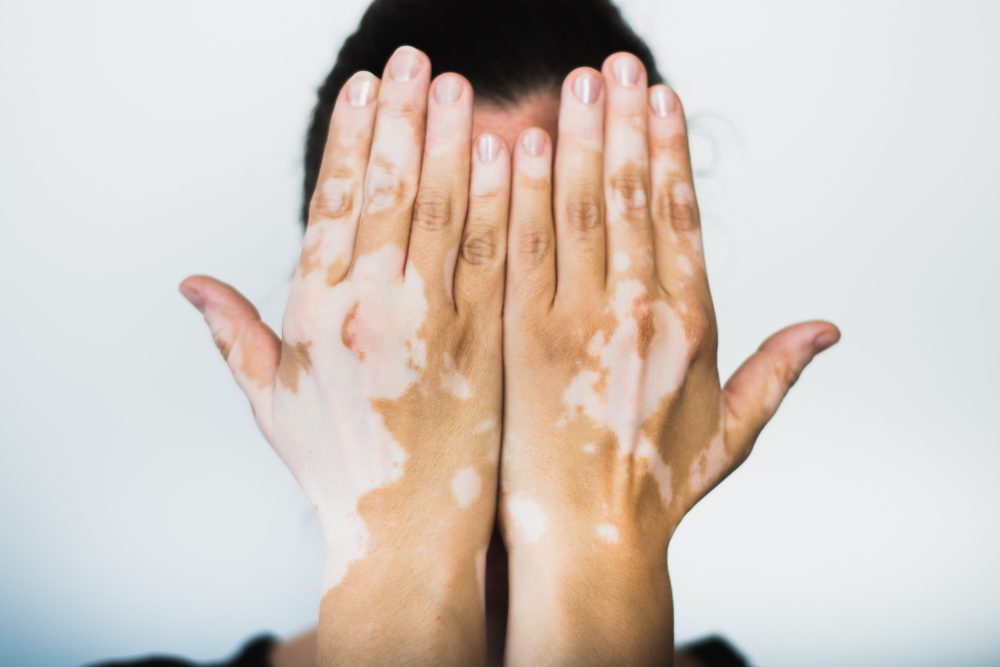
Diagnosing vitiligo is usually performed by a dermatologist through a skin examination and review of the patient’s medical history. The doctor evaluates the appearance, location, and pattern of white patches and may use a Wood’s lamp examination to identify areas of pigment loss that are difficult to see with the naked eye. Blood tests may be recommended to check for associated autoimmune conditions, such as thyroid disorders, or vitamin deficiencies. In rare cases where the diagnosis is unclear, a skin biopsy may be performed to rule out other skin conditions. Early diagnosis helps determine the most suitable treatment plan and may improve the chances of controlling pigment loss and restoring skin color.
Vitiligo Treatment Options
There is currently no permanent cure for vitiligo, but several treatments can help slow the progression of pigment loss, restore skin color, and improve the appearance of affected areas. The most suitable treatment depends on the type of vitiligo, the extent of skin involvement, the location of patches, and how active the condition is.
1. Topical Medications
- Corticosteroid creams may help reduce inflammation and encourage repigmentation, especially in early or localized vitiligo.
- Calcineurin inhibitors (such as tacrolimus) may be recommended for sensitive areas like the face and neck.
2. Phototherapy (Light Therapy)
- Narrowband UVB (NB-UVB) therapy is one of the most commonly used treatments for widespread vitiligo.
- It works by stimulating melanocytes and encouraging repigmentation.
- Multiple sessions are usually required for noticeable improvement.
3. Excimer Laser Therapy
- Uses targeted UVB light to treat smaller, localized vitiligo patches.
- May be particularly useful for areas that are difficult to treat with whole-body phototherapy.
4. Oral or Systemic Treatments
- In some cases, medications that affect immune activity may be prescribed to help control rapidly spreading vitiligo.
- These treatments require close monitoring by a dermatologist.
5. Surgical Treatments (For Stable Vitiligo)
For patients with stable vitiligo that has not spread for a period of time, surgical options may be considered, including:
- Skin grafting
- Melanocyte transplantation
- Cellular grafting techniques
These procedures transfer pigment-producing cells to areas affected by vitiligo.
6. Cosmetic Camouflage and Skin Protection
- Medical camouflage products can help temporarily cover white patches.
- Daily use of sunscreen helps protect depigmented skin from sunburn and reduces contrast between affected and unaffected areas.
7. Emerging Treatments
Newer approaches, including targeted immune therapies and regenerative treatments, continue to be studied to improve repigmentation outcomes.
A dermatologist at Novomed Riyadh can assess your vitiligo type and recommend a personalized treatment plan based on your skin condition, disease activity, and treatment goals.
Cost of Vitiligo Treatment in Riyadh
The cost of Vitiligo Treatment in Riyadh varies depending on the type of treatment, the extent of pigment loss, the number of affected areas, and the number of sessions required. Treatment options may include topical medications, phototherapy, excimer laser, and other advanced therapies.
Average Cost of Vitiligo Treatments in Riyadh
| Treatment | Approximate Cost |
|---|---|
| Dermatologist consultation | SAR 200–500 |
| Topical medications | SAR 100–500+ |
| Narrowband UVB Phototherapy | Around SAR 30–300 per session |
| Excimer Laser Therapy | Around SAR 100–500 per session |
| Advanced repigmentation treatments | Cost varies depending on the procedure |
Factors Affecting the Cost
The total cost of vitiligo treatment depends on:
- Type and severity of vitiligo.
- Size and location of affected skin areas.
- Treatment method recommended by the dermatologist.
- Number of phototherapy or laser sessions required.
- Need for follow-up appointments and maintenance treatment.
Why Choose Novomed for Vitiligo Treatment in Riyadh?
At Novomed Riyadh, vitiligo treatment is provided by experienced dermatologists who offer personalized care based on the type, severity, and progression of your condition. Our specialists use advanced diagnostic methods and evidence-based treatments to help manage pigment loss, encourage repigmentation, and improve skin appearance.
Why Patients Choose Novomed:
- Experienced dermatology specialists
Our dermatologists have expertise in diagnosing and managing different types of vitiligo, creating treatment plans tailored to each patient’s needs. - Personalized treatment approach
Every patient receives an individualized plan based on factors such as the extent of pigment loss, affected areas, disease activity, and treatment goals. - Advanced vitiligo treatments
Novomed offers modern treatment options, including topical therapies, phototherapy, laser-based treatments, and other approaches when clinically appropriate. - Accurate diagnosis and assessment
Our specialists use comprehensive skin evaluations, including advanced examination techniques, to confirm diagnosis and determine the most suitable treatment strategy. - Focus on long-term management
Vitiligo is a chronic condition that may require ongoing care. Our team provides follow-up monitoring to assess progress, adjust treatments, and help maintain results. - Patient-centered dermatology care
We focus on providing clear guidance, answering patient concerns, and supporting both the medical and emotional aspects of living with vitiligo. - Modern medical facilities
Novomed combines advanced dermatology services with a comfortable clinical environment and high standards of patient safety.
Book your vitiligo consultation at Novomed Riyadh
receive a personalized evaluation and explore the most suitable treatment options for restoring and maintaining skin pigmentation.