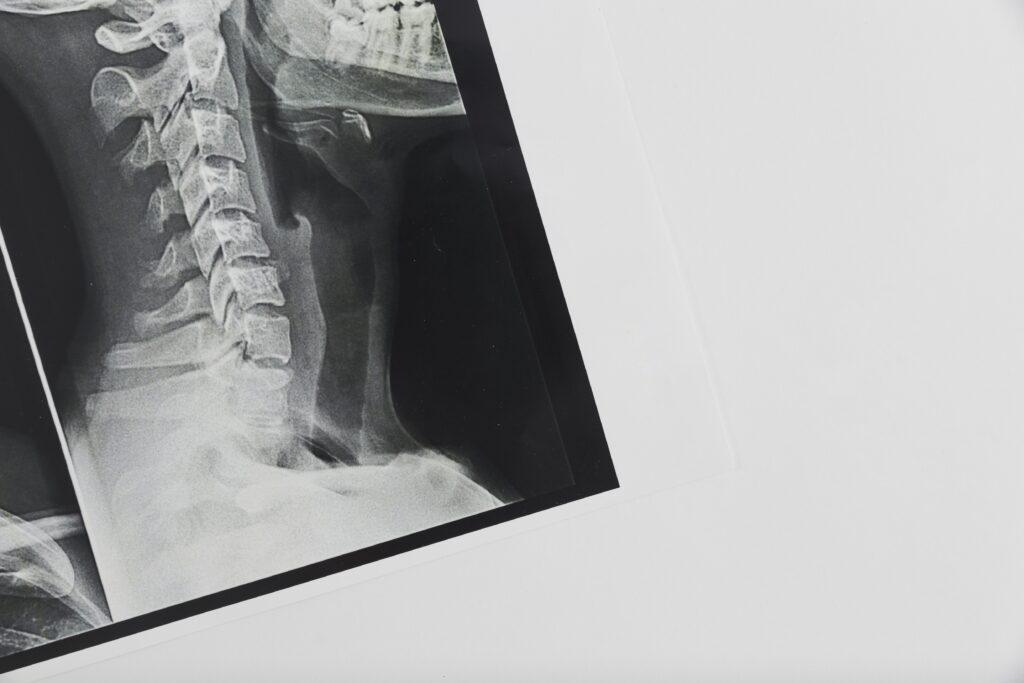
As people age, their bones may get thinner and weaker, which makes them more susceptible to osteoporosis; a condition that progressively weakens the bones which can result in fractures after minimal impacts. Osteoporosis usually affects elderly individuals and is more prevalent in women over 65.
Dual-energy X-ray absorptiometry, usually referred to as a DEXA scan, measures the calcium and other minerals in your bones to determine their strength and thickness (bone density). The mineral content of specific bones, such as the hip, spine, and forearm, is measured using DEXA scans. Results from a DEXA scan can give you valuable information about your risk for osteoporosis (bone loss) and bone fractures.
When would I need a DEXA scan test?
Your doctor may request a DEXA scan if you are older than 60, have a family history of osteoporosis, experienced a fractured bone, or have a chronic medical condition that puts your bone health in danger, such as lupus or kidney disease. They may also suggest a bone density scan if you are taking certain medications that may weaken your bones, such as prednisone and other steroid medications.
Your doctor may also request this imaging test to:
– Track alterations in bone health over time.
– Check the efficacy of your osteoporosis treatment.
– Identify future fracture risk.
– Confirm an osteoporosis or osteopenia diagnosis.
How to prepare for a DEXA scan, and what does it involve?
The radiologist will ask you to refrain from taking calcium supplements for 24 hours before your bone density scan. They may also ask you to wear loose-fitting clothes and remove any metal items, such as belts or zippers. Patients are required in some cases to put on a hospital gown.
The DEXA scan is quick (10 to 20 minutes), painless, and exposes you to only a small quantity of radiation. When having a DEXA scan, you will lie on your back on an open DEXA X-ray table as a mechanical arm moves over your body. The extremities of your skeleton, such as the bones in your finger, wrist, or heel, can be measured using a peripheral DEXA scan, which is a small, portable device. You will need to stay still while the scanners are running and may be asked to occasionally hold your breath.
Results for bone density are presented as a T score and a Z-score. Your T-score is a comparison of your bone density to that of a healthy 30-year-old, the age at which bones are at their strongest. The amount that your bone density deviates from the mean is represented by your T-score. If you have a low T score, you most likely have some bone loss.
Test findings could indicate one of the following:
- T-score of -1 or higher: Your bone density is normal.
- T-score between -1 and -2.5: Your bone density is low and indicates osteopenia.
- T-score of -2.5 or lower: Your bone density is very low and indicates osteoporosis.
The amount of standard deviations above or below the median for a person of your age, sex, and weight is your Z-score. You may require extra testing to identify the root of the issue if your Z-score is noticeably higher or lower than the norm.
What happens after a DEXA scan?
You can resume your regular activities right after the DEXA scan test. Our radiologist will interpret the findings and then send a report to your orthopedic doctor so they can consult with you and decide on the best course of action. Your doctor will review your test results with you and help you understand how they affect your health.
The doctor will prepare a customized plan that will help improve your bones’ health. They may suggest lifestyle and dietary modifications to help minimize your risk of fractures, such as exercising regularly and increasing your calcium and vitamin D intake.
Cost of DEXA Scan in Dubai
A DEXA scan in Dubai usually costs around AED 500 to AED 2,000, depending on whether you need a bone density scan or a whole-body composition scan and the services included.
| Type of DEXA Scan | Approximate Cost |
|---|---|
| Bone density DEXA scan (spine and hips) | AED 500–1,800 |
| Whole-body DEXA scan (body composition) | AED 1,000–2,000 |
| DEXA scan with doctor consultation | AED 600–1,000 |
| DEXA scan packages with health assessments | AED 800–2,500 |
Factors Affecting DEXA Scan Cost:
- Purpose of the scan: Bone density screening for osteoporosis may differ in price from body composition analysis.
- Areas scanned: Spine, hips, forearms, or full-body scans may have different fees.
- Additional services: Doctor consultation, blood tests (such as vitamin D and calcium), or health reports can increase the total cost.
- Healthcare facility and equipment quality: Prices vary between diagnostic centers and hospitals.
Schedule your appointment at Novomed today!
To book an appointment for a DEXA scan test with our expert radiologist in Dubai, call us toll-free at 8006686 or click the chat icon at the bottom of the screen.