
Choosing between braces and Invisalign is an important decision if you want straighter teeth, a healthier bite, and a more confident smile. Both treatments use controlled pressure to gradually move teeth into better positions, but they differ in appearance, maintenance, flexibility, and suitability for different orthodontic problems.
Traditional braces use brackets and wires attached to the teeth, while Invisalign uses a series of removable, clear aligners. The best option depends on factors such as your dental condition, treatment goals, lifestyle, age, and how consistently you can follow your orthodontist’s instructions.
If you are considering orthodontic treatment in Dubai, an assessment by a qualified orthodontist can help determine whether braces, Invisalign, or another treatment is appropriate for you.
Braces vs Invisalign: What Is the Difference?
The main difference between braces and Invisalign is how they move your teeth.
Traditional braces use brackets bonded to the teeth and connected by wires. Your orthodontist periodically adjusts the system to apply controlled forces that gradually move the teeth.
Invisalign uses a series of custom-made, transparent aligners. Each set is designed to make small changes to the position of your teeth. The aligners are removable, allowing you to take them out for eating, drinking, brushing, and flossing.
Both treatments can improve dental alignment and certain bite problems, but Invisalign is not suitable for every orthodontic case.
Traditional Braces
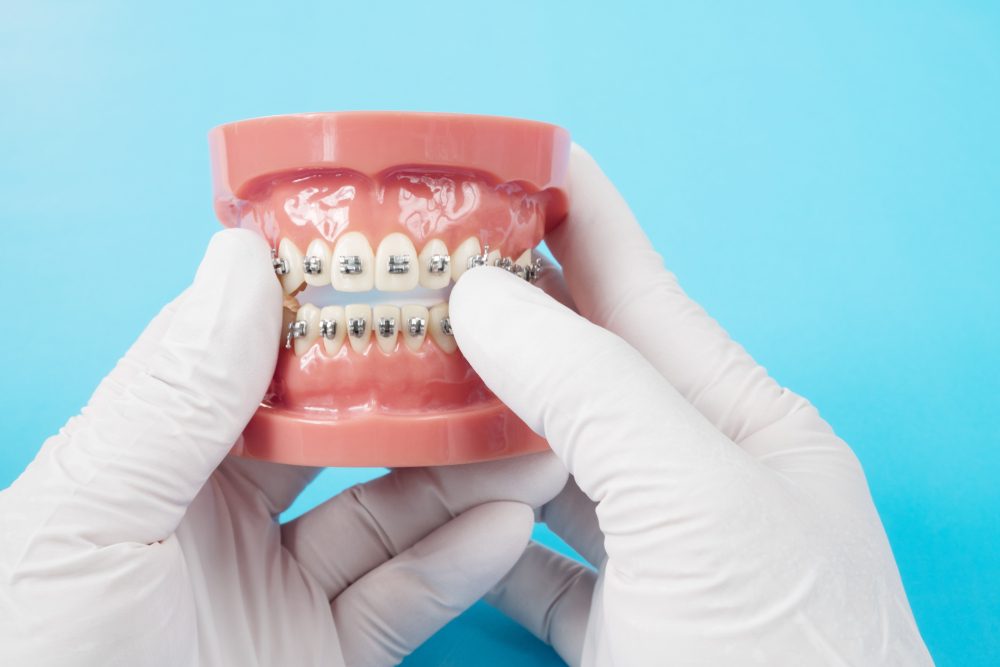
Braces have been used for decades and remain one of the most established orthodontic treatments. They can be used to address problems such as:
- Crowded teeth
- Gaps between teeth
- Crooked teeth
- Overbite
- Underbite
- Crossbite
- Certain complex bite and alignment problems
Braces remain attached to your teeth throughout treatment, so you do not have to remember to put them back in after eating or cleaning.
Invisalign Clear Aligners
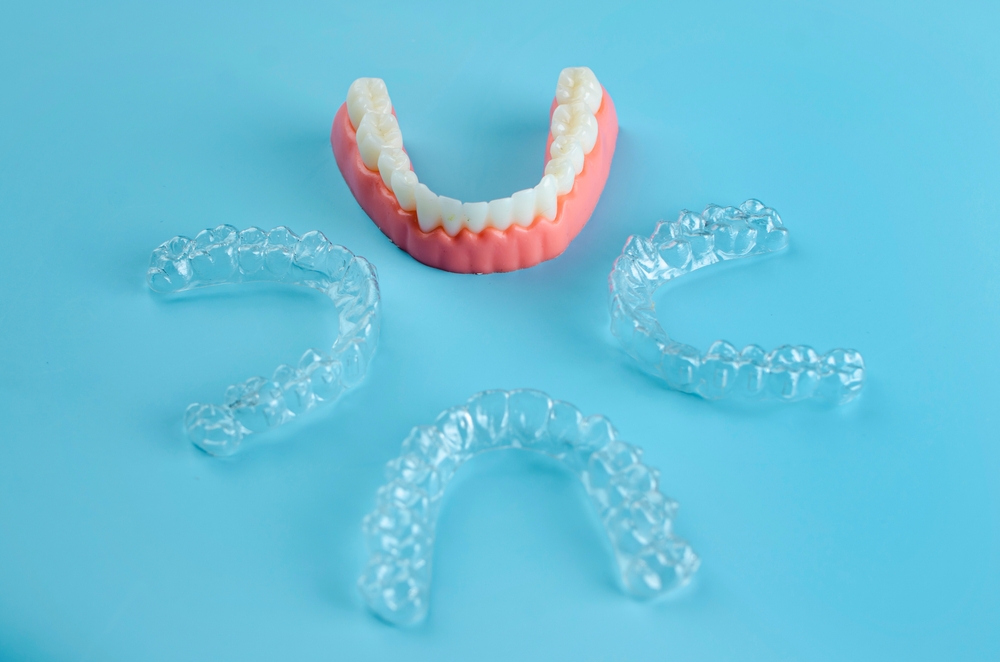
Invisalign uses a series of transparent aligners that fit over your teeth. They are designed to be less noticeable than traditional braces and can be removed when eating and drinking.
Invisalign may be suitable for many mild to moderate orthodontic problems, although treatment suitability depends on the individual case.
One of its main advantages is that patients can maintain a relatively flexible daily routine while undergoing orthodontic treatment.
Braces vs Invisalign Comparison
| Feature | Braces | Invisalign |
|---|---|---|
| Appearance | More visible | Nearly invisible |
| Removable | No | Yes |
| Eating | Some foods may need to be avoided | Aligners are removed while eating |
| Oral hygiene | Requires careful cleaning around brackets | Easier access to teeth when aligners are removed |
| Complex cases | Can treat many complex cases | Suitability depends on the case |
| Lifestyle | Requires some adjustment | Generally more flexible |
| Follow-up | Regular orthodontic visits | Regular monitoring |
| Compliance | Less dependent on patient remembering to wear them | Requires consistent aligner wear |
The choice should be based on your orthodontic needs rather than appearance alone. Your orthodontist can examine your teeth and bite and explain which treatment is most appropriate.
Which Is Better: Braces or Invisalign?
There is no universal answer to whether braces or Invisalign is better. The right treatment depends on your individual dental condition.
Braces may be preferable when significant tooth movement or complex bite correction is required. They remain fixed to the teeth, which means treatment does not depend on remembering to wear an appliance.
Invisalign may be preferable for people who want a less noticeable treatment and are able to wear their aligners consistently as instructed.
Your orthodontist will consider the position of your teeth, bite, jaw relationship, oral health, and treatment goals before recommending an option.
Who May Benefit From Braces?
Braces may be considered for patients with:
- Moderate to severe crowding
- Significant spacing
- Complex tooth rotations
- Overbite or underbite
- Crossbite
- Other orthodontic problems requiring controlled tooth movement
They can be used for both teenagers and adults.
Who May Benefit From Invisalign?
Invisalign may be an option for patients who want a discreet orthodontic treatment and have an orthodontic condition that can be effectively treated with clear aligners.
It may be particularly appealing to adults who want to minimize the visible appearance of orthodontic appliances.
However, Invisalign requires patient commitment. Aligners need to be worn according to the orthodontist’s instructions for treatment to progress as planned.
How Long Do Braces and Invisalign Take?
Treatment time varies considerably between patients.
Factors that can affect orthodontic treatment time include:
- The severity of tooth misalignment
- The type of bite problem
- The amount of tooth movement required
- The chosen orthodontic system
- Patient age and individual response to treatment
- Consistency with treatment instructions
- Attendance at scheduled appointments
Some patients may require relatively short treatment, while more complex cases can take considerably longer.
Your orthodontist can provide a more personalized estimate after examining your teeth and bite.
It is important not to compare your treatment timeline directly with someone else’s because orthodontic treatment is highly individualized.
How to Take Care of Your Teeth During Orthodontic Treatment
Good oral hygiene is essential whether you choose braces or Invisalign. Orthodontic appliances can make cleaning more challenging, and inadequate oral hygiene can contribute to plaque accumulation, tooth decay, and gum problems.
Brush Your Teeth Regularly
Brush your teeth at least twice a day using fluoride toothpaste. If you have braces, pay particular attention to the areas around brackets and wires.
A small interdental brush may also help clean areas that are difficult to reach with a regular toothbrush.
Floss Between Your Teeth
Cleaning between your teeth helps remove food particles and plaque from areas that brushing alone may not reach.
Patients with braces may need special flossing tools or interdental cleaners to work around wires and brackets.
Clean Your Invisalign Aligners
If you wear Invisalign, clean your aligners as recommended by your dental team. Remove them before eating and drinking anything other than water unless your orthodontist has provided different instructions.
Keeping the aligners clean can help maintain oral hygiene and prevent unpleasant odors.
Limit Sugary Foods and Drinks
Frequent consumption of sugary foods and drinks can increase the risk of tooth decay.
This is particularly important during orthodontic treatment because plaque can accumulate around braces if teeth are not cleaned properly.
Attend Your Dental Appointments
Regular orthodontic appointments allow your treatment progress to be monitored and adjustments to be made when necessary.
You should also continue routine dental examinations and professional dental cleaning according to your dentist’s recommendations.
Can Braces or Invisalign Cause Tooth Decay?
Braces and Invisalign do not automatically cause cavities. However, poor oral hygiene during orthodontic treatment can increase the risk of tooth decay.
With braces, food particles and plaque can become trapped around brackets and wires, making thorough cleaning more difficult.
With Invisalign, patients may increase their risk of decay if they frequently consume sugary drinks or food while wearing the aligners or fail to clean their teeth properly before putting the aligners back in.
Maintaining good oral hygiene and attending regular dental appointments can help reduce these risks.
What Is Tooth Decay?
Tooth decay occurs when acids produced by bacteria damage the hard tissues of a tooth. If untreated, decay can progress and eventually cause pain, infection, or tooth loss.
Early diagnosis is important because smaller cavities are generally easier to manage than advanced dental decay.
How Can You Prevent Tooth Decay and Cavities?
A consistent oral hygiene routine is one of the best ways to protect your teeth.
You can reduce your risk of cavities by:
- Brushing twice daily with fluoride toothpaste.
- Cleaning between your teeth every day.
- Limiting sugary snacks and drinks.
- Drinking water regularly.
- Maintaining regular dental check-ups.
- Having professional dental cleaning when recommended.
- Treating dental problems early.
- Following your orthodontist’s instructions during treatment.
If you notice tooth sensitivity, persistent toothache, visible holes, dark spots, or discomfort when eating, arrange a dental examination rather than waiting for the problem to worsen.
How Often Should You Get a Dental Cleaning?
Professional dental cleaning helps remove plaque and hardened tartar that may be difficult to eliminate with regular brushing and flossing.
The appropriate frequency depends on your oral health, gum condition, plaque buildup, and individual risk factors.
People undergoing orthodontic treatment may need particularly careful professional monitoring because braces can make certain areas of the mouth more difficult to clean.
Your dentist can recommend an appropriate schedule based on your needs.
Professional cleaning should complement—not replace—daily brushing and interdental cleaning.
When Should You See an Orthodontist in Dubai?
You may benefit from an orthodontic assessment if you have:
- Crowded teeth
- Noticeable gaps
- Crooked teeth
- An overbite
- An underbite
- A crossbite
- Difficulty biting or chewing
- Teeth that are difficult to clean
- Teeth that are shifting
- Concerns about your smile or bite
An orthodontist can assess your teeth and jaw alignment and determine whether treatment is necessary.
For adults, orthodontic treatment can be considered even if you did not receive braces as a teenager.
What Happens During an Orthodontic Consultation?
An orthodontic consultation generally begins with an examination of your teeth and bite.
Depending on your condition, your orthodontist may assess:
- Tooth alignment
- Crowding and spacing
- Upper and lower jaw relationship
- Bite
- Gum and dental health
- Previous orthodontic treatment
Dental photographs, scans, X-rays, or other diagnostic records may be recommended when appropriate.
After the assessment, the orthodontist can discuss possible treatment options, expected treatment duration, oral hygiene requirements, and the type of follow-up needed.
If both braces and Invisalign are suitable, you can discuss the advantages and limitations of each option before making a decision.
What Happens If You Develop Tooth Decay During Orthodontic Treatment?
If tooth decay develops while you are wearing braces or Invisalign, it should be assessed by a dentist.
Treatment depends on the extent of the decay. Early-stage problems may sometimes be managed with preventive measures, while an established cavity may require a filling.
More advanced decay can require additional treatment, such as root canal therapy.
This is why maintaining regular dental care during orthodontic treatment is important. Orthodontic treatment should not replace your routine dental examinations.
When Are Dental Implants Needed?
Braces and Invisalign are designed primarily to move and align existing teeth. Dental implants have a different purpose: they are used to replace missing teeth.
A dental implant is a structure placed into the jaw to support a replacement tooth. It may be considered when a tooth is missing or cannot be successfully restored.
Dental implants are therefore not an alternative to braces or Invisalign for straightening teeth.
In some cases, orthodontic treatment may be part of a broader treatment plan involving missing teeth. The sequence of treatment depends on the patient’s dental condition and should be planned by the appropriate dental specialists.
Braces vs Invisalign vs Dental Implants: What’s the Difference?
| Treatment | Main Purpose | Removable? |
|---|---|---|
| Braces | Straighten teeth and correct many bite problems | No |
| Invisalign | Straighten teeth and address suitable bite problems | Yes |
| Dental Implants | Replace missing teeth | No |
Understanding the purpose of each treatment can help you avoid choosing a treatment based solely on appearance or price.
Braces and Invisalign at Novomed Dental Clinic in Dubai
At Novomed Dental Clinic in Dubai, our dental team provides personalized orthodontic assessments to help you choose the most suitable solution for your smile. Whether you are considering traditional braces or Invisalign clear aligners, our specialists evaluate your tooth alignment, bite, oral health, and aesthetic goals before recommending a treatment plan tailored to your needs.
With comprehensive dental care under one roof, Novomed supports your oral health throughout your orthodontic journey, from initial assessment and treatment planning to follow-up care.
Book a consultation at Novomed Dental Clinic in Dubai to explore your braces or Invisalign treatment options.
Frequently Asked Questions
Is Invisalign better than braces?
Neither treatment is universally better. Invisalign may be preferred for its discreet appearance and removability, while braces may be recommended for certain complex alignment and bite problems. Your orthodontist can determine which option is appropriate for your case.
Are braces or Invisalign faster?
Treatment time varies according to the individual’s orthodontic condition and treatment plan. Neither option can be guaranteed to be faster for every patient.
Which is more comfortable, braces or Invisalign?
Both treatments can cause temporary pressure or discomfort as teeth move. Invisalign does not have brackets and wires, while braces may require an adjustment period. Individual experiences vary.
Can Invisalign fix crowded teeth?
Invisalign can treat many cases of dental crowding, but suitability depends on the severity and type of crowding. An orthodontic assessment is necessary to determine whether clear aligners are appropriate.
Can I eat normally with Invisalign?
Invisalign aligners are generally removed while eating. This allows patients to eat without the food restrictions associated with some types of braces. The aligners should be cleaned and teeth brushed before they are replaced, according to your orthodontist’s instructions.
How often should I brush my teeth with braces?
You should maintain regular brushing at least twice daily and clean carefully around brackets and wires. Your dentist or orthodontist may recommend additional cleaning after meals depending on your oral hygiene needs.
Can braces cause cavities?
Braces themselves do not directly cause cavities. However, brackets and wires can make plaque and food more difficult to remove. Poor oral hygiene during treatment can therefore increase the risk of tooth decay.
How often should I get my teeth professionally cleaned?
The recommended frequency varies depending on your oral health and individual risk factors. Your dentist can recommend an appropriate cleaning schedule based on your teeth and gums.
When should I see an orthodontist?
Consider an orthodontic consultation if you have crooked or crowded teeth, gaps, bite problems, difficulty chewing, or concerns about tooth alignment.
Are dental implants the same as braces?
No. Braces move and align existing teeth, while dental implants are used to replace missing teeth. They serve different dental purposes.
How much do braces cost in Dubai?
The cost of braces in Dubai varies depending on the type of braces, complexity of the case, treatment duration, and individual treatment plan. A consultation is needed to provide an accurate estimate.
How much does Invisalign cost in Dubai?
Invisalign costs in Dubai vary depending on the complexity of the case, number of aligners required, treatment duration, and provider. Your orthodontist can provide a personalized quotation after an assessment.