supervised options based on the affected area, severity, and underlying cause. Treatment may include prescription-strength antiperspirants, oral medications, Botox injections, or other suitable therapies.
Hyperhidrosis is a medical condition characterized by excessive sweating that is greater than what the body needs for temperature regulation. It commonly affects the underarms, palms, feet, face, or other areas and can interfere with daily activities and quality of life. Hyperhidrosis may be primary, with no identifiable underlying cause, or secondary, when excessive sweating results from another medical condition or medication.
At Novomed, a dermatologist can assess the pattern and severity of sweating and determine whether further medical testing is needed to identify an underlying cause before recommending an individualized treatment plan.
Who Needs Hyperhidrosis Treatment?
Hyperhidrosis treatment may be suitable for people whose excessive sweating is frequent, difficult to control, or interferes with everyday life. It may help people who:
- Experience excessive sweating in the underarms, hands, feet, face, or other areas.
- Sweat heavily even when the environment is cool or they are not exercising.
- Find that sweating interferes with work, social activities, clothing, or daily tasks.
- Have sweating that causes skin irritation, discomfort, or recurrent infections.
- Experience persistent sweating despite using regular antiperspirants.
- Feel embarrassed or distressed because of excessive sweating.
A medical evaluation is particularly important when excessive sweating starts suddenly, occurs mainly at night, or is accompanied by other symptoms, as it may sometimes be related to an underlying medical condition or medication.
Hyperhidrosis Treatment Options
Treatment for hyperhidrosis (excessive sweating) depends on the affected area, severity, and whether the sweating is primary or caused by another condition. Options may include:
- Prescription antiperspirants: Often used as an initial treatment, particularly for localized sweating.
- Topical medications: Certain anticholinergic creams, gels, or wipes can help reduce sweating in specific areas.
- Iontophoresis: Uses a mild electrical current to reduce sweating, particularly for the hands and feet, and sometimes the underarms.
- Botox injections: Botulinum toxin can temporarily block the nerve signals that stimulate sweat glands and is commonly used for underarm, palm, and other focal hyperhidrosis.
- Oral medications: Systemic medicines may be considered for widespread, facial, or persistent hyperhidrosis when other treatments are insufficient.
- Microwave or energy-based treatments: Certain devices can target and reduce sweat glands, particularly in the underarms.
- Surgical treatment: In severe cases that do not respond to other treatments, procedures such as sweat-gland surgery or endoscopic thoracic sympathectomy may be considered.
For generalized or newly developed excessive sweating, doctors usually investigate possible underlying medical conditions or medication-related causes before choosing a treatment.
Hyperhidrosis Treatment with Botox Procedure
The procedure depends on the type of treatment recommended after assessing the severity and affected area.
For Botox treatment for excessive sweating:
- Consultation: The doctor evaluates your sweating pattern, affected areas, medical history, and possible underlying causes.
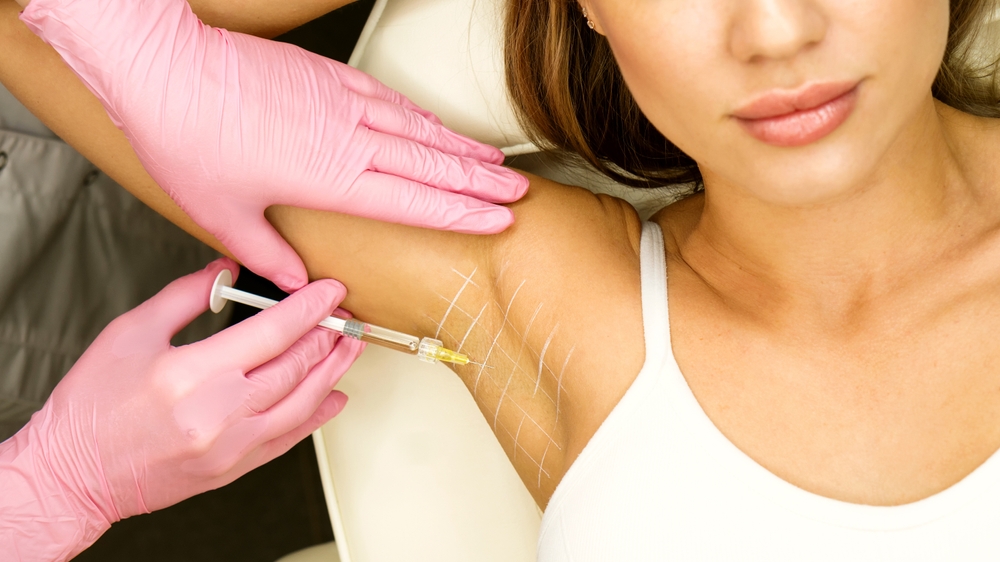
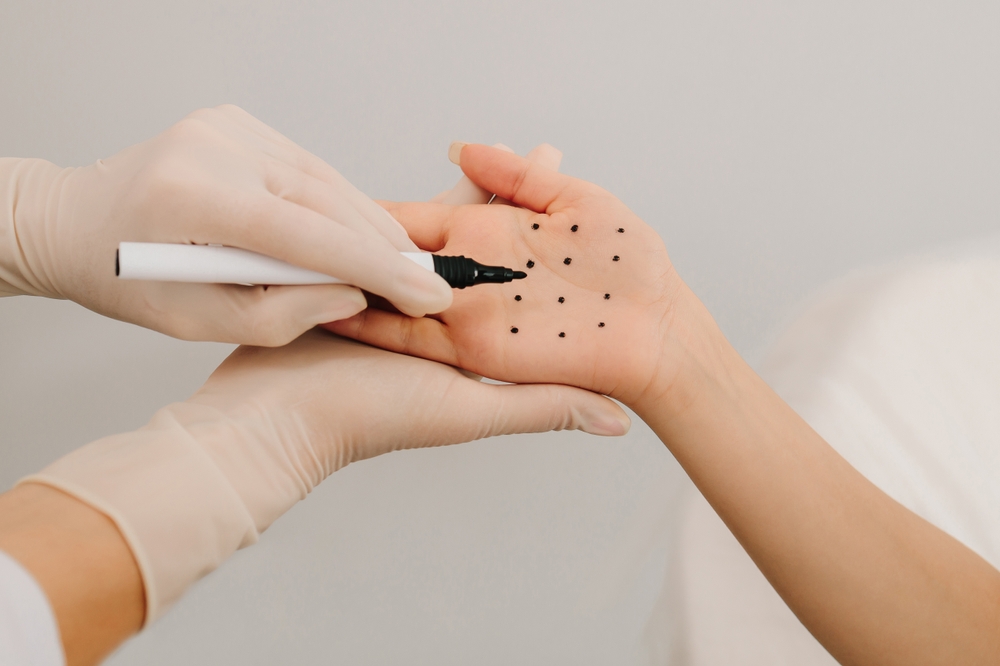
- Treatment area preparation: The skin is cleaned and, if needed, the treatment area may be mapped to identify the areas of excessive sweating.
- Botox injections: Small amounts of botulinum toxin are injected into the affected area using a fine needle. The injections temporarily block nerve signals that activate the sweat glands.
- Post-treatment assessment: The doctor checks the treated area and provides personalized aftercare instructions.
- Recovery: Most patients can return to normal activities shortly after treatment, although mild redness, swelling, bruising, or tenderness may occur temporarily.
The exact technique and number of injections depend on the treatment area and severity of hyperhidrosis.
Benefits of Botox for Hyperhidrosis
Botox treatment for hyperhidrosis can help reduce excessive sweating by temporarily blocking the nerve signals that activate the sweat glands. Benefits may include:
- Significant reduction in excessive sweating in treated areas.
- Particularly useful for underarm sweating and, in selected cases, sweating of the hands, feet, or other localized areas.
- Non-surgical treatment with no incisions.
- Quick procedure, usually performed during an outpatient visit.
- Results may begin to appear within several days, with maximum improvement often developing over the following weeks.
- The effects are temporary, commonly lasting several months, although duration varies between individuals and treatment areas.
- Can improve comfort, confidence, clothing choices, and daily activities affected by excessive sweating.
Side Effects and Risks of Botox for Hyperhidrosis
Botox injections for hyperhidrosis are generally well tolerated when performed by a qualified medical professional, but side effects can occur.
Common temporary side effects:
- Mild pain or discomfort during injections.
- Redness, swelling, or bruising at the injection sites.
- Temporary tenderness or itching.
- Mild headache or flu-like symptoms in some patients.
A medical consultation is important before treatment to assess whether Botox is appropriate, particularly for patients with certain neuromuscular conditions or those taking medications that may interact with botulinum toxin.
Cost of Hyperhidrosis Treatment in Riyadh
The cost of hyperhidrosis treatment in Riyadh varies depending on the treatment method, the area being treated, the amount of Botox required, and the severity of excessive sweating.
For Botox for hyperhidrosis, current Riyadh pricing is commonly around SAR 2,500–3,000 per session. Some clinics advertise lower promotional prices, while specialized treatments may cost more.
For Novomed Riyadh, the exact price should be confirmed during consultation because the required treatment area and Botox dosage vary between patients. Novomed – Riyadh
Why Choose Novomed Riyadh for Hyperhidrosis Treatment?
Novomed – Riyadh provides hyperhidrosis (excessive sweating) treatment with a personalized approach based on the affected area and severity of sweating.
- Licensed medical professionals: Novomed states that its Riyadh doctors are licensed by the Saudi Ministry of Health.
- Personalized assessment: Your sweating pattern, medical history, medications, and treatment goals are assessed before injections.
- Botox for excessive sweating: Botox can block the nerve signals that stimulate sweat glands, helping reduce sweating in areas such as the underarms, palms, and feet.
- Precise treatment planning: For underarm hyperhidrosis, Novomed describes using an iodine-and-starch test to identify the areas requiring treatment.
- Evidence-based care: Treatment options can be selected according to the cause and severity of hyperhidrosis rather than using the same approach for every patient.
- Focus on quality of life: Reducing excessive sweating can help patients feel more comfortable and confident in their daily and social activities.
Book your consultation at Novomed Riyadh to have your excessive sweating assessed and determine the most appropriate treatment option.