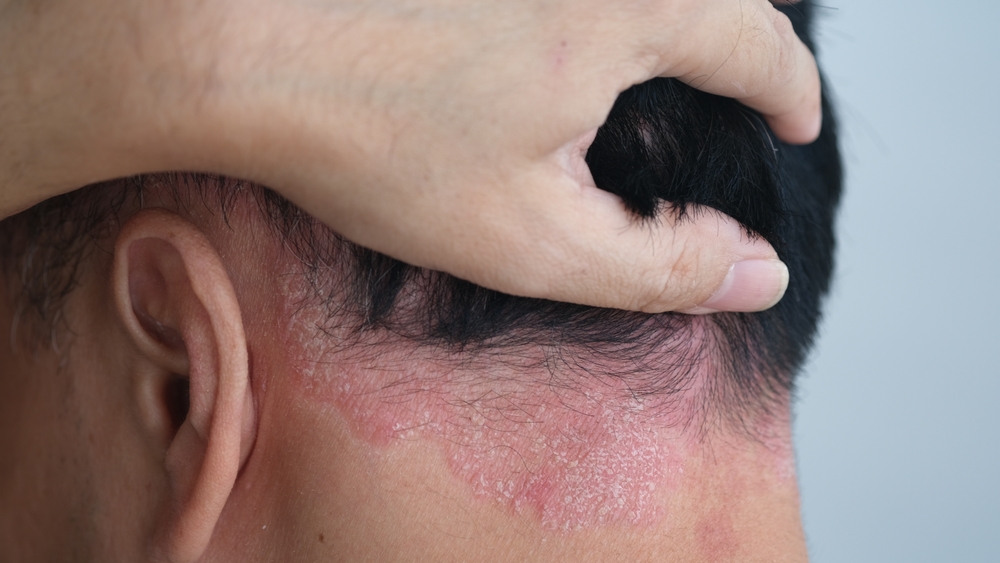
Novomed Riyadh offers comprehensive Psoriasis Treatment led by experienced dermatologists who provide personalized care using evidence-based therapies. Our goal is to help control symptoms, reduce flare-ups, improve skin health, and enhance your quality of life through individualized treatment plans.
Psoriasis is a chronic autoimmune skin condition that causes skin cells to multiply more rapidly than normal, leading to the buildup of thick, red, inflamed patches covered with silvery-white scales. These patches most commonly appear on the scalp, elbows, knees, lower back, and other parts of the body, and may be accompanied by itching, burning, or soreness.
Although psoriasis is not contagious, it is a long-term condition that can vary in severity and may flare up periodically. While there is no permanent cure, a range of treatments—including topical medications, phototherapy, biologic therapies, and systemic medications—can effectively manage symptoms, reduce inflammation, and improve skin appearance. Early diagnosis and ongoing care by a dermatologist can help minimize flare-ups and improve long-term disease control.
Diagnosis of Psoriasis
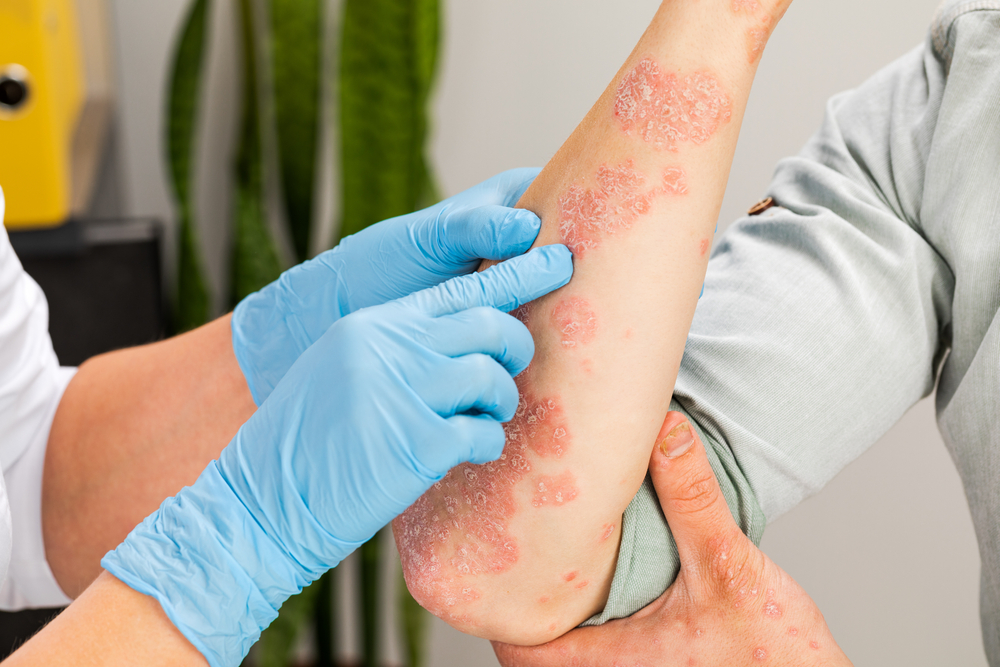
Diagnosing psoriasis begins with a thorough evaluation by a dermatologist. In most cases, psoriasis can be diagnosed based on the appearance of the skin, scalp, or nails, along with your medical history and symptoms. Additional tests may be recommended if the diagnosis is uncertain or to rule out other skin conditions.
Medical History
Your dermatologist will ask about:
- When your symptoms first appeared.
- Whether the rash is itchy, painful, or recurring.
- Family history of psoriasis or autoimmune diseases.
- Recent infections, stress, medications, or skin injuries that may trigger flare-ups.
- Joint pain or stiffness, which may indicate psoriatic arthritis.
Physical Examination
The dermatologist will examine:
- The location, size, and appearance of skin plaques.
- The scalp, elbows, knees, lower back, and other commonly affected areas.
- Fingernails and toenails for pitting, discoloration, or separation from the nail bed.
- Signs of infection or other skin disorders.
Skin Biopsy
If the diagnosis is unclear, a skin biopsy may be performed. A small sample of skin is removed under local anesthesia and examined under a microscope to confirm psoriasis and rule out conditions such as eczema, fungal infections, or skin cancer.
Additional Tests
Depending on your symptoms, your dermatologist may recommend:
- Blood tests to assess overall health or exclude other inflammatory conditions.
- Joint assessment or imaging studies if psoriatic arthritis is suspected.
- Fungal testing when symptoms resemble a fungal skin infection.
Early Diagnosis Matters
Early diagnosis and treatment can help control symptoms, reduce flare-ups, prevent complications such as psoriatic arthritis, and improve your quality of life. If you notice persistent red, scaly patches or changes in your nails, consult a dermatologist for a comprehensive skin evaluation.
Psoriasis Treatment Options
Although psoriasis cannot be permanently cured, a variety of treatments can effectively control symptoms, reduce inflammation, slow the overproduction of skin cells, and minimize flare-ups. The best treatment depends on the type and severity of psoriasis, the areas affected, and your overall health.
1. Topical Treatments
Topical medications are often the first-line treatment for mild to moderate psoriasis.
These may include:
- Corticosteroid creams and ointments
- Vitamin D analogues
- Topical retinoids
- Calcineurin inhibitors (for sensitive areas)
- Salicylic acid preparations
- Coal tar products
- Moisturizers and emollients to reduce dryness and scaling
2. Phototherapy (Light Therapy)
Controlled exposure to ultraviolet (UV) light can help slow excessive skin cell growth and reduce inflammation.
Phototherapy options include:
- Narrowband UVB therapy
- Broadband UVB therapy
- PUVA (Psoralen + UVA) for selected cases
- Excimer laser for localized psoriasis
3. Oral Medications
For moderate to severe psoriasis, oral medications may be recommended when topical treatments alone are insufficient.
These may include:
- Methotrexate
- Cyclosporine
- Acitretin
- Apremilast
Regular monitoring is required while taking these medications.
4. Biologic Therapy
Biologic medications target specific parts of the immune system responsible for psoriasis.
These injectable or intravenous treatments may be recommended for:
- Moderate to severe psoriasis
- Psoriatic arthritis
- Patients who have not responded to other treatments
Your dermatologist will determine whether biologic therapy is appropriate based on your condition and medical history.
5. Lifestyle and Supportive Care
Healthy lifestyle habits can help reduce flare-ups and improve treatment outcomes.
Recommendations include:
- Moisturizing the skin daily
- Avoiding known triggers such as stress and smoking
- Maintaining a healthy weight
- Limiting alcohol consumption
- Following a balanced diet
- Protecting the skin from injury and excessive sun exposure
6. Treatment for Psoriatic Arthritis
Patients with joint pain or stiffness may require additional treatment to reduce inflammation, protect the joints, and improve mobility. This may include systemic medications, biologics, and physical therapy.
Personalized Psoriasis Care
Psoriasis affects each person differently. At Novomed Riyadh, dermatologists create individualized treatment plans based on the severity of the disease, the type of psoriasis, your medical history, and your treatment goals. Regular follow-up helps monitor your progress, adjust therapy when needed, and maintain long-term disease control.
Cost of Psoriasis Treatment in Riyadh
The cost of psoriasis treatment in Riyadh depends on the severity of the condition and the treatment recommended. Topical treatments are generally the most affordable, while phototherapy typically costs around SAR 300–850 per session. Advanced treatments such as biologic medications are more expensive. After evaluating your condition, your dermatologist will recommend the most appropriate treatment plan and provide a personalized cost estimate.
Typical Cost Range
| Treatment | Approximate Cost |
|---|---|
| Dermatology consultation | SAR 200–500 |
| Topical medications | SAR 100–500+ |
| Phototherapy (UVB) | SAR 300–850 per session |
| Oral medications | Varies depending on the prescription |
| Biologic therapy | Several thousand SAR per dose, depending on the medication |
Prices are estimates and may vary according to the treatment plan, medication prescribed, and the patient’s individual needs.
Factors That Affect the Cost
- Type and severity of psoriasis
- Area of the body being treated
- Treatment method (topical, phototherapy, oral medication, or biologics)
- Number of treatment sessions and follow-up visits
- Prescription medications and laboratory monitoring, if required
Why Choose Novomed for Psoriasis Treatment?
At Novomed Riyadh, Psoriasis Treatment is provided by experienced dermatologists who offer comprehensive, evidence-based care for mild, moderate, and severe psoriasis. We develop personalized treatment plans to help control symptoms, reduce flare-ups, and improve long-term skin health using the latest medical therapies.
Why Patients Choose Novomed
- Experienced dermatology specialists
Our dermatologists have extensive experience diagnosing and managing different types of psoriasis, including plaque, guttate, inverse, pustular, and scalp psoriasis. - Personalized treatment plans
Every patient receives an individualized treatment plan based on the type and severity of psoriasis, affected areas, medical history, lifestyle, and treatment goals. - Comprehensive treatment options
We offer a full range of evidence-based therapies, including topical medications, phototherapy, systemic treatments, and biologic therapies when clinically appropriate. - Advanced diagnostic evaluation
Our dermatologists perform a thorough skin assessment to confirm the diagnosis, evaluate disease severity, identify triggers, and screen for associated conditions such as psoriatic arthritis. - Long-term disease management
Psoriasis is a chronic condition that requires ongoing care. We provide regular follow-up visits to monitor your progress, adjust treatment when needed, and help minimize future flare-ups. - Modern facilities and advanced technology
Novomed combines experienced medical professionals with modern dermatology facilities to deliver high-quality care in a comfortable clinical environment. - Patient-centered care
We educate patients about trigger avoidance, skincare, lifestyle modifications, and treatment adherence to support long-term disease control and improve quality of life.
Book Your Psoriasis Consultation
If you are experiencing persistent red, scaly, or itchy skin patches, book a consultation at Novomed Riyadh. Our dermatology team will provide an accurate diagnosis and create a personalized psoriasis treatment plan to help you manage your condition effectively.